
Table of Contents
- Why Roofing Material Choice Matters in Desert Climates
- Standing Seam Metal Roofing for Maximum Heat Rejection
- Clay and Concrete Tile: Thermal Mass and Longevity
- Cool Roof Technology Benefits for Residential Homes
- TPO vs EPDM Roofing for Residential Homes: Flat Roof Solutions
- Energy Efficient Roof Insulation: Pricing and Performance in 2026
- Thermal Expansion, Ventilation, and Cool Roof Standards
- Conclusion: Selecting the Right Roof for Your Property
- Frequently Asked Questions
Last Updated: August 29, 2026
Why Roofing Material Choice Matters in Desert Climates
The best roofing materials for desert heat aren’t just about aesthetics, they’re about survival. In extreme sun exposure, poor material choices lead to accelerated degradation, skyrocketing cooling costs, and premature roof failure. At MAK Roofing & Construction, we’ve spent over 16 years analyzing how different roofing systems perform under relentless desert conditions, and the data is clear: material selection determines whether your roof lasts 15 years or 50.
Desert climates create unique stressors that most roofing materials weren’t designed to handle. Thermal cycling, the extreme temperature swings between scorching days and cool nights, causes materials to expand and contract repeatedly. UV radiation beats down without mercy. Dust accumulation reduces reflectivity. These factors compound over time, turning a mediocre choice into an expensive mistake.
The right roofing materials for desert heat do three things exceptionally well: they reflect solar radiation rather than absorb it, they resist thermal cycling without cracking or warping, and they maintain their protective properties for decades under constant assault. This guide covers the materials that actually deliver on those promises, along with the specific performance metrics that matter in your climate.

Standing Seam Metal Roofing for Maximum Heat Rejection
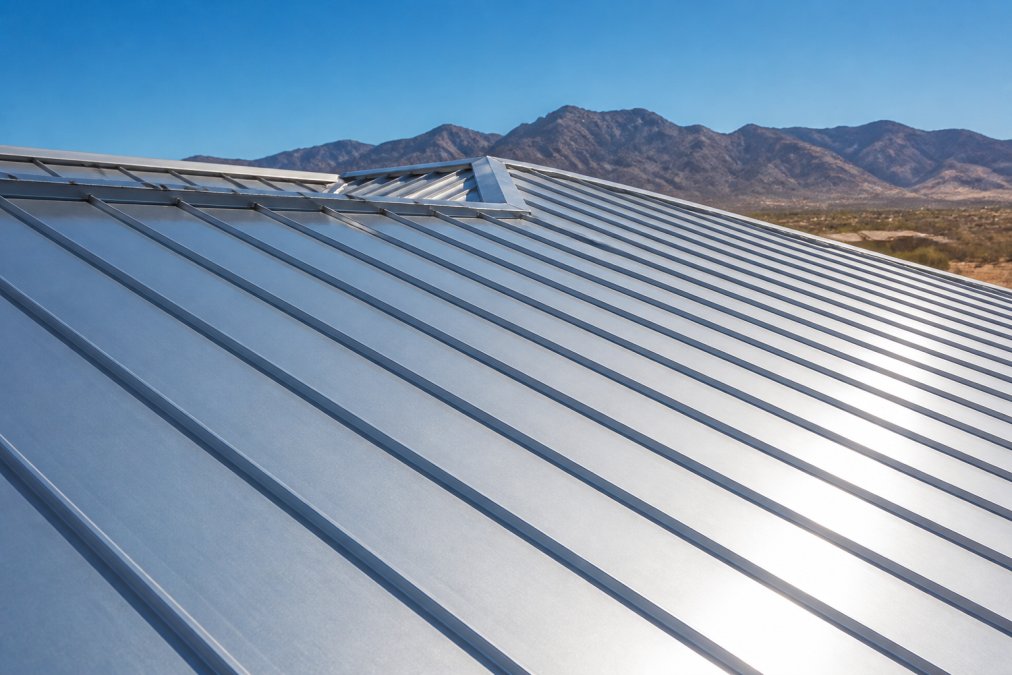
Standing seam metal roofing is the gold standard for heat rejection in desert environments. The material’s high solar reflectance, typically 60-70% with Kynar or PVDF coatings, means less heat gets absorbed into your home. That translates directly to lower cooling costs and a more comfortable interior.
What makes standing seam metal stand out isn’t just reflectivity. The interlocking seam design creates a watertight barrier that handles the intense UV exposure without degrading the way asphalt does. The material expands and contracts with thermal cycling, but the seam system accommodates that movement rather than fighting it. You get durability measured in decades, not years.
The lifespan advantage is substantial. Metal roofing typically lasts 40-70 years, compared to 15-25 years for asphalt shingles. In a desert climate where UV degradation accelerates everything, that longevity becomes even more valuable. Class 4 impact resistance also protects against hail damage, a real concern during monsoon season.
Installation complexity is the trade-off. Standing seam metal requires specialized contractors who understand the fastening system and thermal movement requirements. A poor installation will leak. A proper one becomes nearly maintenance-free. This is where working with experienced professionals like MAK Roofing & Construction matters, the difference between a roof that fails in ten years and one that lasts fifty.
Metal roofing’s reflectivity decreases slightly over time as dust accumulates, but regular cleaning (2-3 times yearly in desert climates) restores performance. The maintenance cost is minimal compared to the energy savings.
Clay and Concrete Tile: Thermal Mass and Longevity
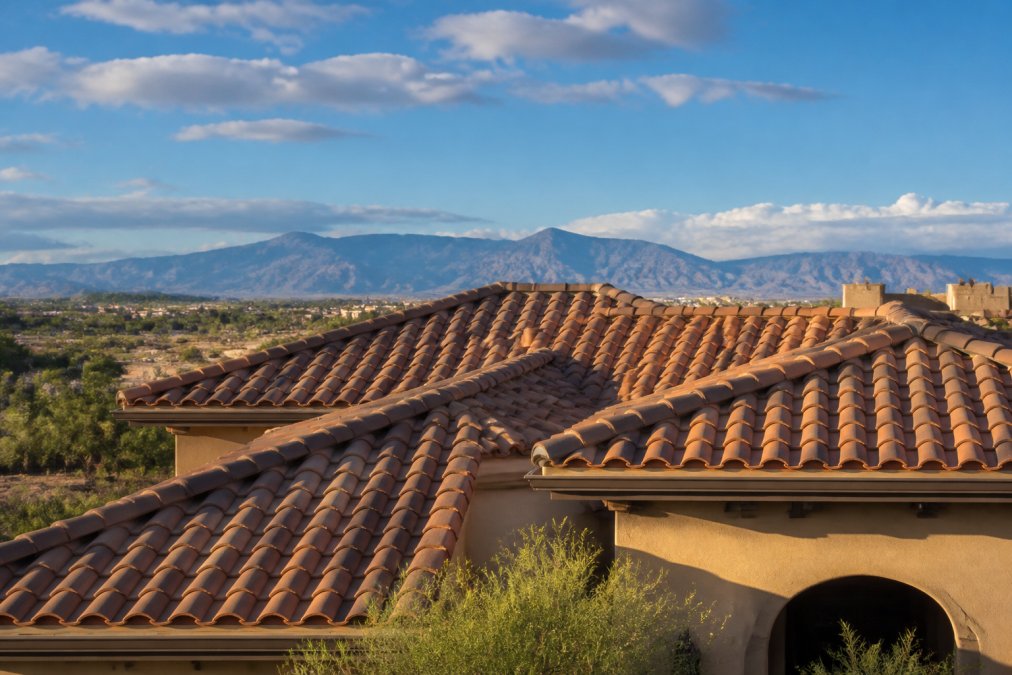
Clay and concrete tile roofing dominates Southwest architecture for good reason, these materials were engineered by centuries of desert living. The thermal mass of tile actually works with desert heat rather than against it. Thick tiles absorb solar radiation during the day, then release that heat slowly at night, reducing the temperature swings that damage other materials.
Clay tile lasts 75-100+ years. Concrete tile runs 40-60 years. Both are fireproof, resist rot and insect damage, and require minimal maintenance. The material doesn’t degrade under UV exposure the way asphalt does. In a desert where the sun is relentless, that durability is worth the premium upfront cost.
The weight is a real consideration. Clay and concrete tile are heavy, typically 12-16 pounds per square foot. Many older homes in the region can handle it, but some newer construction requires structural reinforcement. That adds cost and complexity. It’s not a barrier, just a reality to plan for.
Aesthetically, tile offers variety. You can match traditional Spanish Colonial styles, modern minimalist looks, or anything between. The color palette, earth tones, reds, oranges, creams, naturally complements desert landscapes. That’s not just pretty; it’s practical. Lighter colors reflect more heat.
Tile’s main advantage over metal is thermal mass, it moderates indoor temperature swings better than reflective materials alone. If you value passive cooling and don’t mind the weight and cost, tile is unbeatable for longevity.
Cool Roof Technology Benefits for Residential Homes
Cool roof technology is a specific approach to material selection: prioritize solar reflectance and thermal emittance to minimize heat absorption. The Cool Roof Rating Council (CRRC) certifies products that meet strict reflectivity standards, typically requiring 65%+ solar reflectance and 75%+ thermal emittance.
What this means in practice: a certified cool roof stays cooler than a standard roof in identical conditions. That temperature difference, sometimes 30-50°F cooler, reduces the load on your air conditioning system. Studies from energy efficiency programs show homeowners see 10-20% reductions in cooling costs when upgrading to cool roofing. That’s not trivial over the 20-40 year lifespan of a roof.
Cool roof technology isn’t limited to one material type. Metal roofing naturally qualifies. Some asphalt shingles now come with reflective granules that meet CRRC standards. TPO and EPDM membranes for flat roofs are available in high-reflectivity white finishes. Even clay tile can be selected in lighter colors to maximize reflectance.
The catch: reflectivity degrades over time. Dust, dirt, and algae accumulation reduce the solar reflectance of your roof. A white metal or TPO roof might start at 70% reflectance but drop to 50-55% after five years in a dusty climate without cleaning. This is why maintenance matters. Regular cleaning restores reflectivity and keeps energy savings consistent.
MAK Roofing & Construction can assess your current roof’s reflectivity and recommend upgrades that align with your climate and budget. Cool roof certification matters most if you’re pursuing energy rebates or tax credits, which often require CRRC-certified products.
TPO vs EPDM Roofing for Residential Homes: Flat Roof Solutions
Flat roofs present different challenges than pitched ones. Water pools rather than running off. Thermal stress is more uniform across the entire surface. TPO (thermoplastic polyolefin) and EPDM (ethylene propylene diene monomer) are the two dominant single-ply membrane options for residential flat roofs.
TPO wins on energy efficiency. The material is inherently reflective, white TPO typically achieves 75-80% solar reflectance without additional coatings. That reflectivity is stable over time if you maintain the roof. TPO also resists heat and UV better than EPDM, making it the better choice for intense desert sun. Seams are heat-welded, creating a strong bond that handles thermal cycling.
EPDM is cheaper upfront and easier to install. The material is flexible, which helps it accommodate thermal movement. But EPDM is dark (usually black), so it absorbs rather than reflects solar radiation. You can apply reflective coatings to improve performance, but that adds cost and maintenance. In a desert climate where heat management is critical, EPDM starts at a disadvantage.
The real difference shows in cooling costs. A white TPO roof will keep your attic 15-25°F cooler than a black EPDM roof in identical conditions. Over a 20-year lifespan, that temperature difference compounds into significant energy savings. For residential properties, TPO is the better choice in desert climates.
EPDM seams are sealed with adhesive, which can fail under extreme thermal cycling. In desert climates with 40-50°F daily temperature swings, EPDM seams need inspection every 3-5 years. TPO’s heat-welded seams are more reliable in these conditions.
Energy Efficient Roof Insulation: Pricing and Performance in 2026
Roof insulation works hand-in-hand with material selection. The best roofing materials for desert heat are only half the equation, what’s underneath matters equally.
Proper insulation reduces the heat transfer from your roof into your attic and living spaces. In desert climates, R-value requirements are typically R-30 to R-49, depending on your specific location and local building codes. Most homes built before 2010 have insufficient insulation by modern standards.
Spray polyurethane foam (SPF) roofing creates a seamless, insulated barrier that eliminates the gaps where heat leaks through. The material provides both the waterproof membrane and the insulation in one application. SPF typically delivers R-6 to R-7 per inch, so a 4-inch application gives you R-24-R-28. It’s expensive upfront but eliminates seams and reduces labor complexity.
Fiberglass batts, blown-in cellulose, and rigid foam boards are traditional options. They’re cheaper but require careful installation to avoid gaps. Thermal bridging through rafters and joists reduces effective R-value. In a desert climate where every degree of cooling matters, those gaps cost money year after year.
For energy efficiency gains in 2026, the trend is toward higher R-values combined with reflective roofing surfaces. A white TPO membrane over R-30 insulation outperforms a dark EPDM roof with R-20 insulation in both immediate cooling costs and long-term durability.
Pricing for insulation depends on material type, installation complexity, and whether you’re upgrading existing insulation or installing new. Contact MAK Roofing & Construction for a detailed assessment of your home’s current insulation and recommendations for improving energy efficiency without overbuilding.
| Insulation Type | R-Value per Inch | Typical Cost Range |
|---|---|---|
| Fiberglass Batts | R-3.2 to R-3.8 | Budget option |
| Blown-in Cellulose | R-3.2 to R-3.6 | Mid-range |
| Spray Polyurethane Foam | R-6 to R-7 | Premium |
| Rigid Foam Board | R-5 to R-6.5 | Mid-to-premium |
Thermal Expansion, Ventilation, and Cool Roof Standards
Thermal expansion is the enemy of desert roofing. Materials expand when heated and contract when cooled. In a desert where daily temperature swings hit 40-50°F, that expansion and contraction happens constantly. Inadequate ventilation and poor material choices amplify the stress.
Roof ventilation systems manage this by allowing air circulation under the roof deck. Hot air rises into the attic and vents out through ridge vents or turbines. Cooler air enters through soffit vents. This circulation reduces peak attic temperatures by 10-20°F compared to unventilated attics. Less heat means less thermal stress on roofing materials and lower cooling costs for the home.
Standing seam metal roofing and TPO membranes handle thermal expansion through design, the seams and fastening systems allow movement without tearing. Asphalt shingles are more brittle; excessive thermal cycling causes granule loss and cracking. Tile is heavy enough that expansion stress is distributed across the entire roof surface rather than concentrating at weak points.
Cool Roof Rating Council standards define the reflectance and emittance requirements for certified products. CRRC testing measures solar reflectance (how much sunlight bounces back) and thermal emittance (how effectively the surface radiates absorbed heat). Products that meet both criteria stay cooler and reduce the thermal cycling stress that degrades materials.
In practice, this means selecting roofing materials that are either inherently reflective (metal, white TPO) or can be maintained at high reflectivity (tile, asphalt with reflective coatings). Combine that with proper ventilation, and you’ve addressed the two biggest stressors on desert roofing systems.
Attic ventilation should be sized to match your roof area, typically 1 square foot of vent per 150 square feet of attic space. Undersized ventilation defeats the purpose. Have your contractor verify ventilation adequacy during any roofing work.
Conclusion: Selecting the Right Roof for Your Property
Choosing the best roofing materials for desert heat comes down to three factors: reflectivity to minimize heat absorption, durability to withstand thermal cycling and UV exposure, and proper installation to ensure the material performs as designed.
Standing seam metal roofing delivers the highest reflectivity and longest lifespan for pitched roofs. Clay and concrete tile offer thermal mass and unmatched longevity if you can handle the weight. For flat roofs, white TPO outperforms EPDM in desert climates. Cool roof technology and proper ventilation amplify whatever material you choose.
The investment in a high-performance roofing system pays dividends through lower energy bills, fewer repairs, and a roof that lasts decades instead of years. At MAK Roofing & Construction, we specialize in custom-designed roofing systems tailored to your specific climate, budget, and aesthetic preferences. With over 16 years of experience in desert roofing, we understand the unique challenges your property faces and the solutions that actually work.
Get started with a professional assessment from MAK Roofing & Construction. Our team will evaluate your current roof, discuss your energy efficiency goals, and recommend materials backed by performance data and decades of regional expertise. Bank financing is available to make the upgrade affordable. Get a video estimate and discover how the right roofing system transforms your home’s durability and comfort.
=== FAQ ANSWERS (audit these too, same rules) ===
Frequently Asked Questions
What is the best type of roofing material for extreme desert heat?
Standing seam metal roofing and clay or concrete tile are the top choices for extreme heat. Metal roofing reflects 60-70% of solar radiation with reflective coatings, significantly reducing cooling costs. Clay tiles use natural thermal mass to regulate temperature swings. Both offer Class 4 impact resistance and lifespans of 40-100+ years. Cool roof certified asphalt shingles provide an alternative, though they have shorter lifespans and require UV-resistant granules to resist desert degradation.
How does cool roof technology benefit residential homes in hot climates?
Cool roof technology uses highly reflective materials and coatings to bounce solar radiation away from your home instead of absorbing it as heat. This reduces attic temperatures by 10-20 degrees Fahrenheit, lowering cooling costs depending on your HVAC system and insulation. Cool roofs also reduce the urban heat island effect. ENERGY STAR certified products and those rated by the Cool Roof Rating Council (CRRC) provide verified reflectance and emittance values.
Which is better for residential flat roofs: TPO or EPDM roofing?
TPO (thermoplastic polyolefin) is generally better for desert climates because it offers higher solar reflectivity, superior UV resistance, and better heat tolerance than EPDM. TPO membranes maintain their reflectivity over time and resist thermal expansion and contraction cycles common in desert environments. EPDM (ethylene propylene diene monomer) is cheaper upfront but absorbs more heat and degrades faster under intense UV exposure. For residential flat roofs in hot regions, TPO’s energy efficiency and durability justify the slightly higher initial cost.
How much does energy efficient roof insulation cost, and what should I expect in 2026?
Pricing for energy efficient roofing systems varies by material and installation. Total project cost depends on roof size, complexity, and local labor rates. Contact MAK Roofing & Construction for a custom quote based on your specific property and material selection.
How does thermal expansion and contraction affect roofing in desert climates?
Desert climates experience extreme diurnal temperature variation, with surface temperatures swinging 50-80 degrees Fahrenheit between day and night. This constant thermal cycling stresses roofing materials, causing expansion and contraction that can crack seams, loosen fasteners, and break down adhesives. Metal roofing handles this better with interlocking seams and flexibility. Proper roof ventilation systems reduce attic temperatures, minimizing the temperature differential that drives expansion. Cool roofing materials that reflect solar radiation experience less thermal stress than dark absorptive materials, extending material lifespan and reducing installation failures.
What is the 25% rule for roofing replacements?
The 25% rule suggests that if your roof has damage or leaks affecting more than 25% of its surface area, replacement is more cost-effective than repair. Patching multiple areas wastes money if the underlying material is near the end of its lifespan. In desert climates with intense UV radiation and thermal cycling, roofs degrade faster, making the 25% threshold relevant sooner. Consulting a professional contractor helps determine whether your roof warrants full replacement or targeted repairs, and whether upgrading to a cooler, more durable material makes financial sense for your long-term energy savings.
How does roof ventilation help in desert heat, and what standards apply?
Proper roof ventilation systems create airflow under the roof deck, reducing attic temperatures and moisture buildup. In desert heat, ventilation can lower attic temperatures 10-15 degrees Fahrenheit, decreasing cooling load and extending shingle or membrane lifespan. Ventilation also prevents moisture trapping that can cause rot and mold. The International Residential Code (IRC) requires minimum ventilation of 1 square foot of vent area per 150 square feet of attic space. Cool Roof Rating Council (CRRC) standards certify reflectance and emittance values, helping you verify energy performance claims before installation.
The right roof isn’t just about staying dry, it’s about managing the relentless heat, protecting your home’s structure, and keeping your energy bills reasonable year after year. In a desert climate, that choice determines whether you’re comfortable or constantly fighting your cooling system.
This article was written using GrandRanker