
Table of Contents
- Why Energy Efficiency Matters in Construction Projects
- Energy-Efficient Building Materials for Desert Climates
- Project Management Strategies That Cut Energy Costs
- El Paso Electric Energy Efficiency Rebates and Incentives
- Sustainable Construction Project Management Best Practices
- Common Energy Efficiency Mistakes to Avoid
- Measuring Results: Tracking Your Energy Savings
- Frequently Asked Questions
Last Updated: August 31, 2026
Why Energy Efficiency Matters in Construction Projects
Energy efficiency in construction has shifted from a nice-to-have feature to a fundamental business requirement. When you’re managing a construction project, especially in the El Paso area where summer temperatures regularly exceed 100 degrees, energy costs can consume a significant portion of your annual budget. A poorly designed or constructed building doesn’t just cost more to operate, it becomes a liability that affects resale value, tenant satisfaction, and your bottom line for decades.
The real problem isn’t that energy efficiency is complicated. It’s that most project managers treat it as an afterthought, something to address after structural and aesthetic decisions are already locked in. By then, your options are limited and retrofitting is exponentially more expensive than building it in from the start.
At MAK Roofing & Construction, we’ve worked with residential and commercial property owners throughout El Paso who discovered this lesson the hard way. The ones who integrated energy efficiency planning into their initial project scope, from material selection to HVAC design, consistently reported lower operating costs and faster payback periods on their construction investments. This guide covers the practical strategies that actually move the needle.
Energy-Efficient Building Materials for Desert Climates
Choosing the right materials for desert construction is fundamentally different from building in temperate regions. The intense solar radiation, extreme temperature swings, and low humidity create unique demands that standard materials often can’t handle efficiently.
Reflective roofing systems are non-negotiable in El Paso. Dark asphalt shingles absorb solar radiation and transfer heat directly into your structure, forcing your cooling system to work harder. Reflective coatings and light-colored materials bounce much of that energy away. The difference in cooling load between a standard dark roof and a reflective system can be substantial over a summer season.
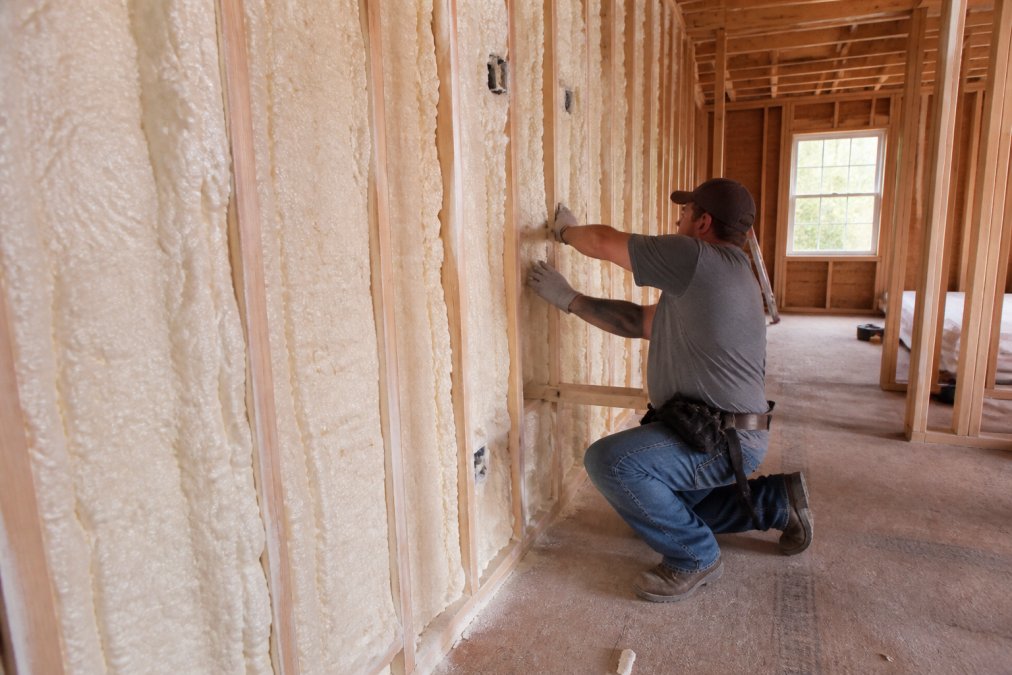
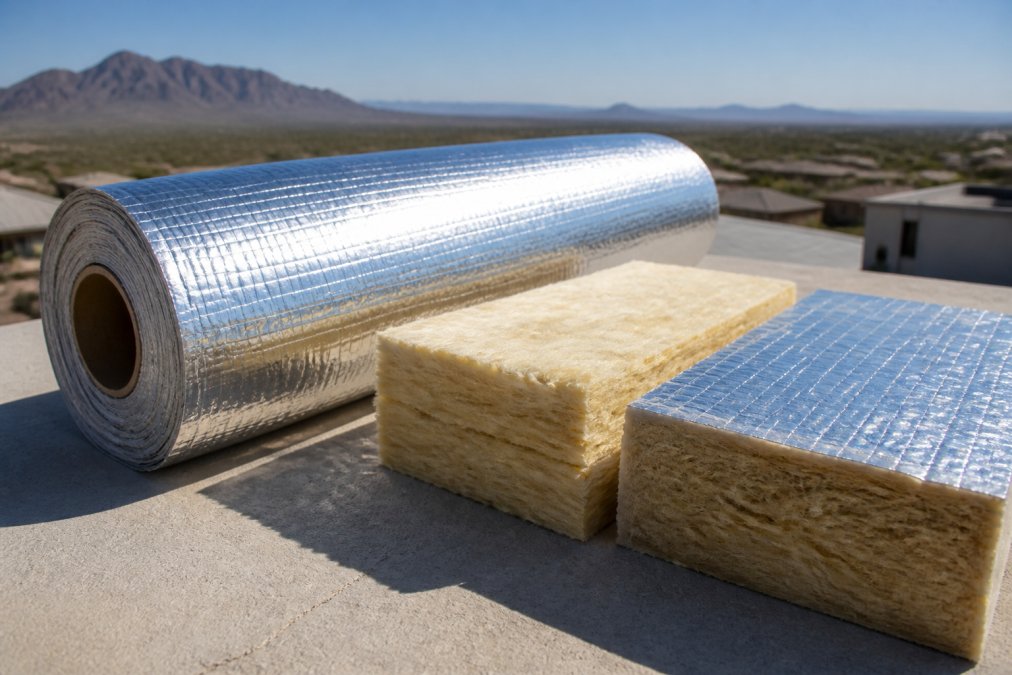
Insulation specifications matter more in desert climates than most builders realize. Your walls need enough R-value to resist the heat trying to penetrate from outside, but your attic insulation is where you see the biggest return. Heat rises, and in a desert climate with intense afternoon sun beating down on your roof, attic temperatures can exceed 150 degrees. Proper attic insulation, typically R-38 to R-60 depending on your specific location, creates a critical thermal barrier that keeps that heat from radiating into your living spaces.

Low-emissivity windows reduce solar heat gain without blocking visible light. Standard windows transmit a significant portion of the sun’s infrared energy into your interior spaces. Low-E coatings on window glass reflect that infrared radiation while allowing light through, reducing cooling loads substantially. In El Paso’s climate, this translates to meaningful HVAC savings.
Thermal mass materials like concrete and masonry absorb heat during the day and release it slowly at night. This moderates temperature swings and reduces peak cooling demand. Many builders overlook this strategy, but in desert construction, strategic use of thermal mass can reduce HVAC cycling and improve comfort.
The material selection phase is where energy efficiency gets locked in or locked out. Make these decisions during design, not during construction.
Project Management Strategies That Cut Energy Costs
Managing energy efficiency across a construction project requires a different mindset than traditional project management. You’re not just tracking schedules and budgets, you’re protecting a long-term operational advantage.
Establish energy performance targets at project kickoff. Define what success looks like: a specific kilowatt-hour consumption target, a SEER rating for HVAC systems, or a percentage reduction compared to similar buildings. Without explicit targets, energy efficiency becomes vague and gets compromised when other priorities conflict with it. When you have measurable goals, trade-off decisions become clearer.
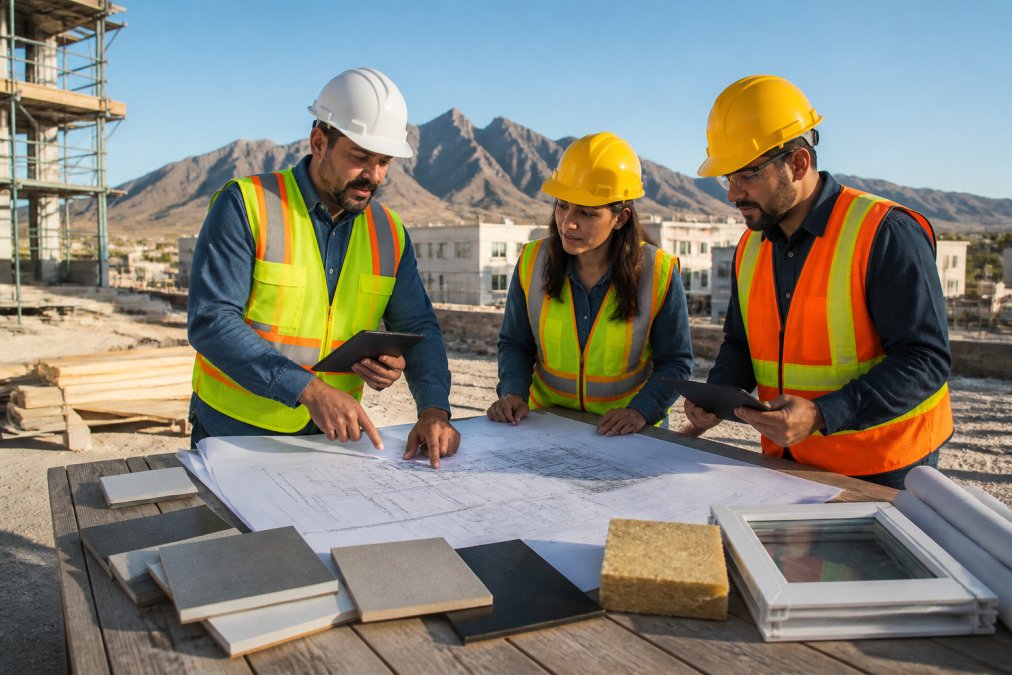
Coordinate material specifications across all trades. Energy efficiency isn’t the roofing contractor’s job or the HVAC contractor’s job alone, it’s integrated across everything. Your roofing system affects attic temperature, which affects HVAC load. Your window selection affects wall insulation decisions. Your HVAC sizing depends on the thermal performance of your envelope. Projects that treat these as separate decisions end up with mismatches and missed opportunities.
Build in verification checkpoints. Don’t assume that specified materials and methods actually got installed correctly. Schedule inspections at key phases: after insulation installation but before drywall, after roofing completion, before HVAC startup. A single installation mistake, compressed insulation, gaps around windows, improper ductwork sealing, can undermine months of planning.
Require documentation of as-built performance. After construction, you should have records of what was actually installed: insulation R-values in each cavity, window specifications, HVAC efficiency ratings, and any deviations from the plan. This documentation becomes invaluable for troubleshooting later and for understanding why actual performance differs from projections.
MAK Roofing & Construction manages these coordination points across residential and commercial projects. The difference between a well-managed energy efficiency strategy and a haphazard approach often comes down to who’s holding the project team accountable to the specifications.
El Paso Electric Energy Efficiency Rebates and Incentives
El Paso Electric offers several incentive programs that can offset the cost of energy-efficient improvements. These programs change periodically, so verify current offerings directly with the utility, but the general categories remain consistent.
Rebates for HVAC system upgrades typically cover high-efficiency air conditioning and heating equipment. When you replace an aging system with a high-SEER unit, you may qualify for a rebate that reduces your out-of-pocket cost. The rebate amount depends on the efficiency rating and your specific situation.
Insulation and weatherization rebates support improvements to your thermal envelope. Adding attic insulation, sealing air leaks, or upgrading windows may qualify for incentives. These programs recognize that envelope improvements reduce HVAC load and lower utility bills.
Smart thermostat and building controls incentives encourage installation of programmable or connected thermostats that optimize heating and cooling schedules. These devices reduce energy consumption without requiring occupants to manually adjust temperatures.
The key is understanding which improvements qualify before you commit to them. Some rebate programs require pre-approval, meaning you need to apply before purchasing equipment. Others reimburse you after installation. Missing the pre-approval window or failing to follow program requirements can cost you thousands in lost incentives.
Contact El Paso Electric directly or visit their website to confirm current program details and eligibility requirements for your specific property type and location.
Sustainable Construction Project Management Best Practices
Sustainable construction goes beyond energy efficiency, it encompasses material sourcing, waste reduction, water management, and long-term environmental impact. But energy efficiency remains the most cost-effective sustainability lever in desert climates.
Source materials with durability in mind. A material that lasts 30 years requires fewer replacements than one that fails in 15. Fewer replacements mean less waste, less manufacturing impact, and lower long-term costs. In El Paso’s harsh climate, durability is inseparable from sustainability. Materials that can’t withstand UV exposure, extreme temperature swings, and dust-driven abrasion will fail prematurely.
Design for maintenance accessibility. HVAC filters, insulation, and roofing systems require periodic maintenance to perform as designed. If your design makes maintenance difficult or expensive, occupants will skip it, and performance will degrade. Sustainable design anticipates maintenance and makes it straightforward.
Plan for future upgrades. Energy technology evolves. Solar systems, heat pump technology, and smart building controls continue to improve. Design your building systems with room to integrate future upgrades without major reconstruction. This flexibility extends the building’s useful life and allows you to adopt better technology as it becomes available.
Track and report actual performance. After a building is occupied, measure its actual energy consumption and compare it to projections. This reveals where your design assumptions were accurate and where they missed the mark. That feedback informs better decisions on future projects.
Common Energy Efficiency Mistakes to Avoid
Most energy efficiency problems in construction aren’t caused by lack of knowledge, they’re caused by shortcuts, miscommunication, or competing priorities that override efficiency considerations.
Undersizing insulation to save upfront cost. Insulation is one of the cheapest ways to reduce energy consumption, yet it’s often the first item cut when budgets tighten. Reducing attic insulation from R-60 to R-38 might save a few hundred dollars in material and labor, but it increases cooling costs for the life of the building. Skimping on it is false economy.
Sealing the building envelope without proper ventilation planning. Modern construction emphasizes air sealing to prevent infiltration, which is correct. But if you seal the envelope without ensuring adequate ventilation, through mechanical systems or controlled openings, you can create indoor air quality problems. Energy efficiency and indoor air quality aren’t opposing goals; they require coordinated design.
Choosing HVAC equipment size based on peak load without considering the building’s thermal performance. If you improve insulation and reduce air leakage, your cooling and heating loads decrease. Sizing HVAC equipment to the original, pre-efficiency-improvement load means your system is oversized. Oversized equipment cycles on and off inefficiently and doesn’t dehumidify properly. Right-sizing requires that you finalize your efficiency improvements before selecting HVAC equipment.
Installing high-efficiency equipment in a poorly performing building envelope. A high-SEER air conditioner working in a building with poor insulation and air sealing is like installing a high-performance engine in a car with a flat tire. The equipment can’t deliver its rated efficiency if the building shell isn’t doing its job. Always improve the envelope first, then right-size the equipment.
Neglecting ductwork sealing in air-conditioned spaces. Leaky ducts in attics or crawl spaces lose conditioned air to unconditioned spaces. This is often invisible, occupants don’t see the problem, but they feel the comfort impact and see higher bills. Ductwork sealing should be part of any HVAC project.
Measuring Results: Tracking Your Energy Savings
Energy efficiency improvements only matter if they actually reduce your bills. Tracking results tells you whether your investments are performing as expected and identifies problems early.
Establish a baseline before improvements. Document your current energy consumption for at least one year, preferably longer. This baseline becomes your comparison point. Without it, you can’t definitively say whether improvements actually saved energy or whether other factors (weather, occupancy changes, rate increases) explain your bill changes.
Separate the effects of weather and usage changes. A mild summer will naturally reduce cooling costs. A mild winter will reduce heating costs. When comparing before and after, account for weather differences. Degree-day data from the National Weather Service allows you to normalize consumption across different weather patterns.
Monitor consumption monthly, not just annually. Monthly tracking reveals seasonal patterns and can catch problems early. If your heating or cooling consumption suddenly spikes in a month with normal weather, something’s wrong, a thermostat malfunction, an HVAC equipment failure, or an unexpected change in occupancy. Annual comparison misses these signals.
Use utility bill analysis or energy monitoring systems. Many utilities provide online portals where you can view consumption data in detail. Some buildings benefit from installing submeters or smart energy monitoring systems that track consumption by circuit or zone. This granular data helps identify which systems or areas are consuming more than expected.
| Tracking Method | Frequency | Best For | Effort Level |
|---|---|---|---|
| Utility bill review | Monthly | Whole-building overview | Low |
| Degree-day normalization | Seasonal | Weather-adjusted comparison | Medium |
| Submeter monitoring | Real-time | System-level diagnostics | High |
| Professional energy audit | Annual | Detailed improvement identification | High |
Compare to similar buildings. If you’re managing a commercial property or a new residential community, compare your energy consumption to similar buildings. Utility companies often provide benchmarking data. If your building is consuming significantly more energy than comparable buildings, that’s a signal to investigate.
Set realistic expectations for payback. Energy efficiency improvements have different payback periods. Insulation and air sealing often pay back in 3-5 years. HVAC equipment upgrades might take 5-10 years. Solar installations can take 7-15 years depending on system size and electricity costs. Understanding payback periods helps you prioritize investments and manage stakeholder expectations.
Energy efficiency in construction isn’t about perfection, it’s about making deliberate choices that reduce operating costs and improve performance over the building’s lifetime. The strategies covered here work because they address the root causes of energy waste: poor insulation, air leakage, oversized equipment, and inadequate planning. When you integrate energy efficiency into your project from the start, you’re not adding complexity; you’re simplifying long-term ownership.
If you’re planning a construction project or renovation in El Paso, the time to address energy efficiency is now. MAK Roofing & Construction brings 16 years of experience managing residential and commercial projects that balance upfront costs with long-term operational savings. Our team handles everything from roofing systems designed for desert performance to complete home renovations that improve energy efficiency and comfort. We can help you navigate material selection, project coordination, and utility incentive programs so your investment delivers real results. Get a video estimate to discuss how energy-efficient construction strategies fit into your project goals.
Frequently Asked Questions
How does energy-efficient construction reduce long-term utility costs?
Energy-efficient construction reduces utility costs by minimizing heat transfer, air leakage, and cooling loss. High-performance insulation, reflective roofing, and sealed air barriers mean your HVAC system works less hard to maintain comfortable temperatures. Lower operational demands translate directly to reduced monthly electric bills. Over a home’s lifetime, these savings compound significantly.
What are the best energy-saving materials for desert climates?
Desert climates demand materials that reflect heat and resist intense UV exposure. Cool roofing materials with high solar reflectance ratings, rigid foam insulation with high R-values, low-emissivity windows that block heat gain, and light-colored exterior finishes all perform well in desert conditions. Proper air sealing and vapor barriers prevent moisture infiltration during temperature swings. These materials work together to keep interior temperatures stable, reducing cooling demand during extreme heat.
Are there incentives for energy-efficient construction projects in this area?
Yes. El Paso Electric offers rebates and incentives for qualifying energy-efficient improvements, including HVAC upgrades, insulation installation, and high-efficiency cooling systems. Homeowners and commercial property owners should contact El Paso Electric directly or visit their website to learn about current rebate programs, eligibility requirements, and application processes. Many projects that incorporate energy-efficient materials may qualify for utility rebates that offset initial investment costs.
How can project management improve energy performance during a remodel?
Effective project management ensures energy-efficient decisions are integrated from planning through completion. This includes specifying high-performance materials upfront, coordinating proper installation of insulation and air sealing, scheduling inspections to verify quality workmanship, and managing timelines to prevent weather exposure during construction. Coordinating roofing, insulation, and HVAC work simultaneously prevents redundant labor and ensures systems work together optimally. Strong project oversight catches errors early, protecting your energy investment.
This article was written using GrandRanker