
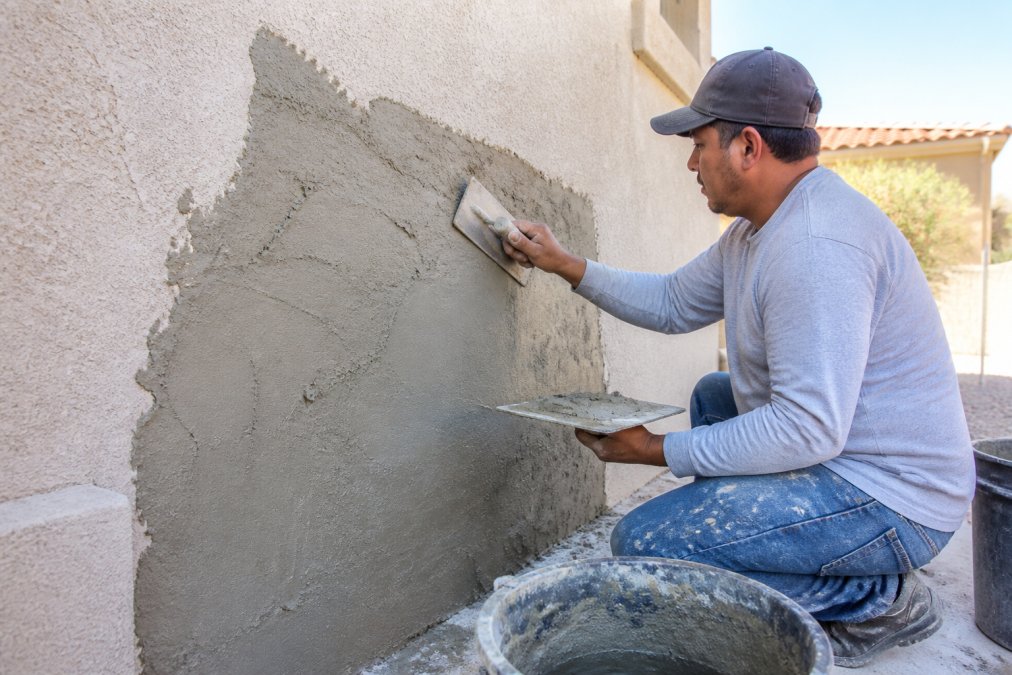
Table of Contents
- Signs You Need Stucco Repair Near Me
- Understanding Stucco Damage Types
- Average Cost of Stucco Repair Per Square Foot
- How to Find Licensed Stucco Contractors
- Professional Stucco Repair Process
- DIY vs. Professional Assessment
- Material Compatibility and Waterproofing
- Why Choose a Licensed Contractor for Stucco Restoration
- Frequently Asked Questions
Last Updated: August 27, 2026
Signs You Need Stucco Repair Near Me
Stucco damage starts small, hairline cracks, discoloration, soft spots, but escalates quickly if ignored. The difference between a minor repair and structural damage often comes down to catching problems early, before water intrusion compromises your home’s integrity. The pattern is clear: homeowners who act on early warning signs spend a fraction of what those who wait end up paying.
Hairline Cracks and Surface Damage
Hairline cracks, typically less than 1/8 inch wide, often appear around windows, doors, and corners due to temperature fluctuations and normal settling (peer-reviewed research). What matters is pattern and progression. A single hairline crack unchanged for two years is likely cosmetic. Multiple cracks spreading across a wall section, or cracks that visibly widen between seasons, signal deeper movement or moisture problems beneath the surface.
If the stucco surface feels soft or crumbly, or if the finish is separating from the substrate, cement-based finish failure has begun. Water has already penetrated behind the stucco and broken the bond between layers.

Signs of Water Damage Behind Stucco
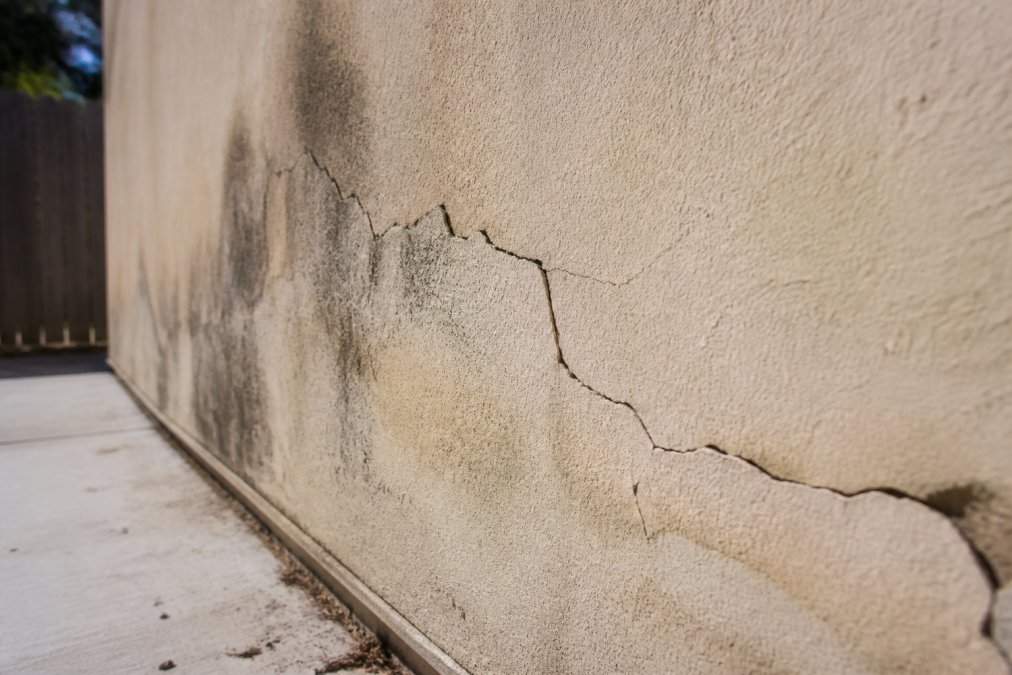
Water intrusion is the silent killer in stucco systems. By the time visible water damage appears, the problem has usually existed for months. Staining patterns, dark streaks, efflorescence (white powdery deposits), or discoloration following a vertical path indicate water running behind the finish. Soft spots or spongy areas mean water has saturated the substrate and compromised structural integrity.
Interior signs are even more telling. Staining on drywall near exterior walls or below windows means water has penetrated completely through. Mold growth, musty odors, or peeling paint on interior walls adjacent to stucco demand immediate attention. Foundation settling cracks that radiate diagonally from corners often channel water directly into the wall cavity and require professional assessment.
Understanding Stucco Damage Types
Not all stucco damage requires the same repair approach. The distinction between structural cracks and cosmetic damage determines whether you need a simple patch or comprehensive restoration.
Structural Cracks vs. Cosmetic Damage
Cosmetic damage affects only the finish coat and doesn’t compromise water shedding or load support. Hairline cracks less than 1/8 inch wide, minor color variations, and small finish deterioration can often be repaired with a stucco patch kit and touch-up painting.
Structural cracks run through multiple layers or indicate substrate movement. Cracks wider than 1/4 inch, diagonal or stair-step patterns, or cracks spanning a wall section suggest structural movement or foundation settling (usgs.gov). These require professional assessment because they may indicate problems with the lath and plaster substrate or wall framing itself. Treating the symptom without addressing the cause means the crack will return within months.
Water Intrusion and Moisture Issues
Water intrusion occurs when the stucco finish loses its ability to shed water through cracks, failed joints, or separation from the substrate. Once water penetrates, it saturates insulation, rots wood framing, and promotes mold growth.
Synthetic stucco (EIFS) is particularly vulnerable because the finish bonds directly to foam insulation (fema.gov). If water penetrates the finish, it becomes trapped in the foam with no way to dry out. This is why EIFS systems require meticulous waterproofing details and why any breach needs immediate attention. Moisture issues compound over time as water expands when frozen, pushing stucco away from the substrate and creating hollow spots that trap more moisture.
Average Cost of Stucco Repair Per Square Foot
Stucco restoration costs vary dramatically based on damage scope and extent. A small hairline crack costs significantly less than addressing water damage across multiple wall sections. For accurate pricing on your project, contact MAK Roofing & Construction for a free on-site estimate.
Cost Factors That Affect Your Project
Damage type matters most. Hairline crack patching is straightforward. Water damage restoration requires removing affected stucco, inspecting and potentially replacing damaged substrate, addressing moisture sources, and reapplying the finish system.
Material selection affects cost significantly. Basic cement-based patches cost less than synthetic stucco repairs or full exterior restoration using premium color-matched finishes. Decorative stucco textures, knockdown, sand, or dash finishes, require matching that adds labor and material costs.
Labor complexity is another major factor. Simple patching on a single-story home is faster than multi-story sections or complex architectural details. Areas requiring scaffolding, difficult access, or intricate texture matching increase labor time. Waterproofing work required affects cost substantially, as purely cosmetic damage requires minimal waterproofing while water intrusion damage must include proper waterproofing details, flashing, sealants, and substrate preparation to prevent recurrence.
Texture and color matching are worth understanding. If your stucco has a specific finish texture, the contractor must match it exactly. If your stucco has faded over years, the new patch will initially look brighter. Some homeowners accept this; others prefer painting the entire wall section for uniform color.
How to Find Licensed Stucco Contractors
Finding a qualified contractor matters more than shopping price. A cheap repair that fails in two years costs more than a properly executed restoration lasting decades.
Verifying Credentials and Insurance
Confirm licensing first. Stucco repair contractors should hold a valid general contractor license in your state. Verify this through the state licensing board or contractor’s website. Insurance is non-negotiable. Ask for proof of general liability insurance and workers’ compensation coverage. Request the contractor’s insurance agent contact information and verify the policy is current.
Ask about specific experience with stucco repair in your climate. Contractors experienced with local weather patterns understand how these factors affect stucco durability and know which materials and techniques work in your region. Check references carefully by contacting at least three and asking: Did the contractor finish on time? Did they clean up properly? Has the repair held up well?
Requesting Free On-Site Estimates
Professional contractors should offer free on-site estimates. An estimate based on photos or phone description is guesswork. A licensed contractor will visit your property, assess damage, identify water intrusion risks, and provide a detailed written estimate.
A quality estimate specifies the scope in detail: exactly what will be removed, what substrate preparation is required, what materials will be used, what texture and color matching is included, and what warranty applies. Compare estimates carefully, but don’t choose based on price alone. The lowest bid often reflects corners being cut, cheaper materials, inadequate waterproofing, or rushed labor. Look for the estimate that clearly explains what’s being done and why, uses quality materials appropriate to your climate, and includes proper waterproofing details.
Professional Stucco Repair Process
Understanding what happens during professional repair helps you evaluate contractor quality and know what to expect.
Assessment and Material Selection
Repair begins with thorough assessment. The contractor inspects not just visible damage, but surrounding areas and substrate beneath. This often involves probing with tools to identify hollow spots, soft areas, or water damage not visible on the surface.
Material selection comes next. The contractor must match the existing stucco system, is it traditional three-coat cement-based stucco or synthetic stucco? They must identify the finish texture, color, and substrate system. If original stucco was applied over lath and plaster, the repair must use compatible materials. If it’s EIFS, the repair requires EIFS-compatible products. A contractor who explains material choices confidently demonstrates expertise.
Patching, Texture Matching, and Finishing
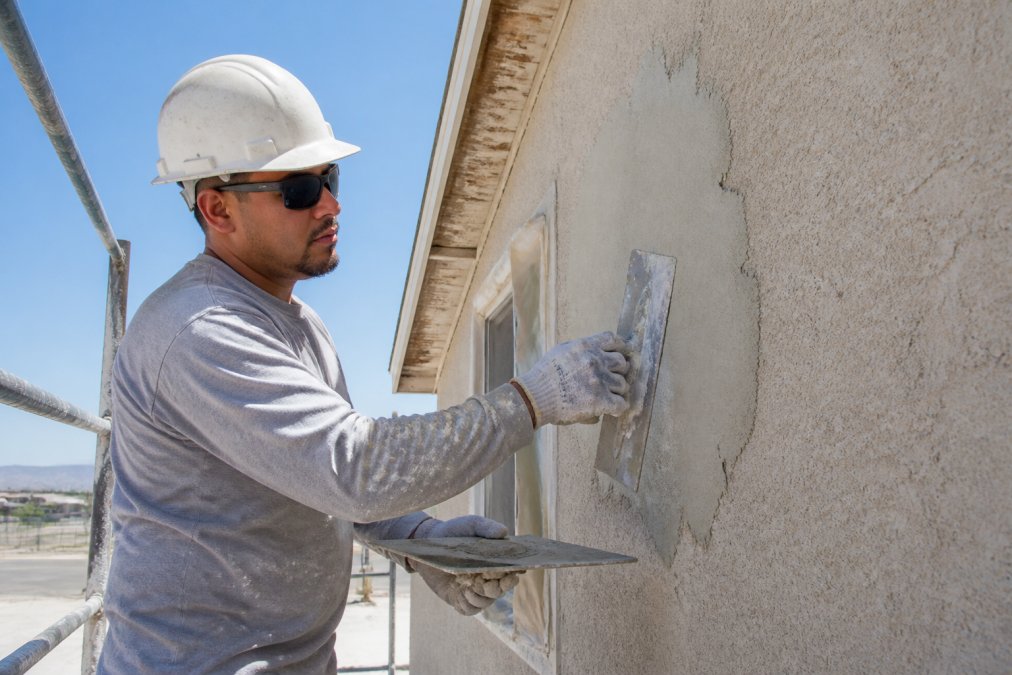
Damaged stucco is carefully removed without damaging the substrate. The exposed area is cleaned and inspected for additional damage. If water intrusion has occurred, damaged substrate material is replaced.
The substrate is prepared with a bonding agent or primer to ensure the new patch adheres properly. Waterproofing details are installed if needed: flashing around openings, sealants in joints, or additional moisture barriers. Patch material is applied in layers, matching the original system. Each layer must cure properly before the next is applied. Texture matching requires skill, the contractor must replicate the existing finish exactly. Color matching comes last, with professional contractors applying a wash or glaze to age the new patch, or recommending painting the entire wall section for uniform color.
DIY vs. Professional Assessment
Minor hairline cracks in the finish coat can be addressed with QUIKRETE Pre-Mixed Stucco Patch or similar products. These ready-to-use patches work for surface cracks up to 1/4 inch wide. If you’re handy and the damage is clearly cosmetic, this is reasonable DIY work.
The risk appears when you can’t accurately assess damage. Is that crack purely cosmetic or does it indicate structural movement? Has water penetrated behind the stucco? Is the substrate damaged? These questions require professional judgment. A free estimate from a licensed contractor provides clarity.
Water intrusion damage should never be DIY. Proper repair requires identifying and fixing the water source, inspecting the substrate for rot or mold, ensuring proper waterproofing, and matching the repair to the existing system. Texture matching is deceptively difficult and often requires professional help if it fails. The financial calculation matters too: a DIY repair that fails in six months costs more than a professional repair lasting ten years.
Material Compatibility and Waterproofing
Stucco repair must use materials compatible with your existing system. Mixing incompatible materials causes failures that are expensive to correct.
Traditional cement-based stucco systems use Portland cement, sand, and lime in specific proportions. Repairs must use materials that bond properly to this base. QUIKRETE Type S Mortar and SAKRETE Type S Mortar are standard choices because they’re formulated to match historical systems.
Synthetic stucco systems (EIFS) are fundamentally different. They use foam insulation, specialized adhesives, and acrylic finish coats. EIFS repairs cannot use traditional cement-based products, they won’t bond to the foam. Adding a bonding agent like SikaLatex R improves adhesion between patch and substrate and is often used as standard practice by professional contractors.
Waterproofing is the most critical part of any stucco repair. A patch that sheds water protects your home. Proper waterproofing includes flashing around openings, sealants applied to joints and cracks, a substrate system that allows water drainage if it does penetrate, and proper slope so water runs away from the wall.
Why Choose a Licensed Contractor for Stucco Restoration
The decision to hire a licensed contractor versus attempting DIY repair comes down to risk and longevity. Stucco damage often signals water intrusion, which can compromise structural integrity if not addressed properly. This is a building science problem, not cosmetic.
Licensed contractors carry liability insurance, protecting you if something goes wrong. They’ve passed licensing exams demonstrating knowledge of building codes, materials, and techniques. They maintain standards because their license and reputation depend on quality work.
MAK Roofing & Construction brings over 16 years of experience in residential and commercial exterior repairs. We understand the specific challenges of stucco in this climate. We offer free on-site estimates and work with you to understand the damage and repair options. We use superior quality materials with professional craftsmanship, apply products proven to work in your climate with techniques ensuring longevity, include proper waterproofing details in every repair, and match textures and colors carefully so the repair is invisible.
When stucco damage threatens your home’s durability and energy efficiency, hiring a professional contractor protects your investment. Contact MAK Roofing & Construction and schedule your free on-site estimate today.
Stucco damage that goes unaddressed becomes expensive structural damage. A professional assessment identifies the real problem and the right solution. Contact MAK Roofing & Construction for a free estimate and learn exactly what your stucco repair near me will involve. With over 16 years of experience and comprehensive project management, we deliver the durable, professionally installed exterior repairs that protect your home and improve its curb appeal.
| Repair Type | Best For | Key Consideration |
|---|---|---|
| DIY patch kit | Hairline cracks, cosmetic damage | Only if damage is clearly surface-level |
| Professional crack repair | Cracks wider than 1/4 inch | Assess whether crack indicates structural movement |
| Water damage restoration | Any damage involving moisture intrusion | Requires substrate inspection and waterproofing |
| Full exterior restoration | Extensive damage, color matching needed | Professional assessment essential to identify root cause |
Frequently Asked Questions
What are the most common signs that my stucco needs professional repair?
Look for hairline cracks, bulging sections, water stains, or discoloration on your exterior walls. If you notice moisture intrusion, mold growth, or the stucco pulling away from the underlying lath and plaster, professional assessment is essential. Small cracks may seem minor, but they can allow water to penetrate behind the stucco, causing structural damage and costly repairs if left unaddressed.
How much does stucco repair typically cost per square foot?
Pricing depends on damage severity, repair type, and local labor rates. Minor crack patching may cost less per square foot than extensive water damage restoration requiring sub-surface inspection and waterproofing. Most contractors offer free on-site estimates to assess your specific project. Contact local licensed contractors for accurate quotes based on your property’s condition and the scope of work needed.
How do I find a licensed stucco contractor in my area?
Search for licensed contractors with verifiable credentials, insurance, and local references. Request free estimates from multiple contractors and ask about their experience with stucco restoration in your climate. Check licensing through your state’s contractor board, review customer testimonials, and confirm they offer service guarantees. A reputable contractor will provide transparent pricing and a clear project timeline.
Can I repair stucco myself, or do I need a professional?
Small hairline cracks can sometimes be patched with pre-mixed stucco repair products available at hardware stores. However, larger damage, water intrusion, or structural concerns require professional assessment. Improper repairs may worsen the problem, leading to costly future damage. A licensed contractor can diagnose underlying issues, ensure proper material compatibility, and guarantee the repair will protect your home’s structural integrity and curb appeal.
This article was written using GrandRanker