

- BY
- POSTED IN Blog
- WITH 0 COMMENTS
- PERMALINK
- STANDARD POST TYPE
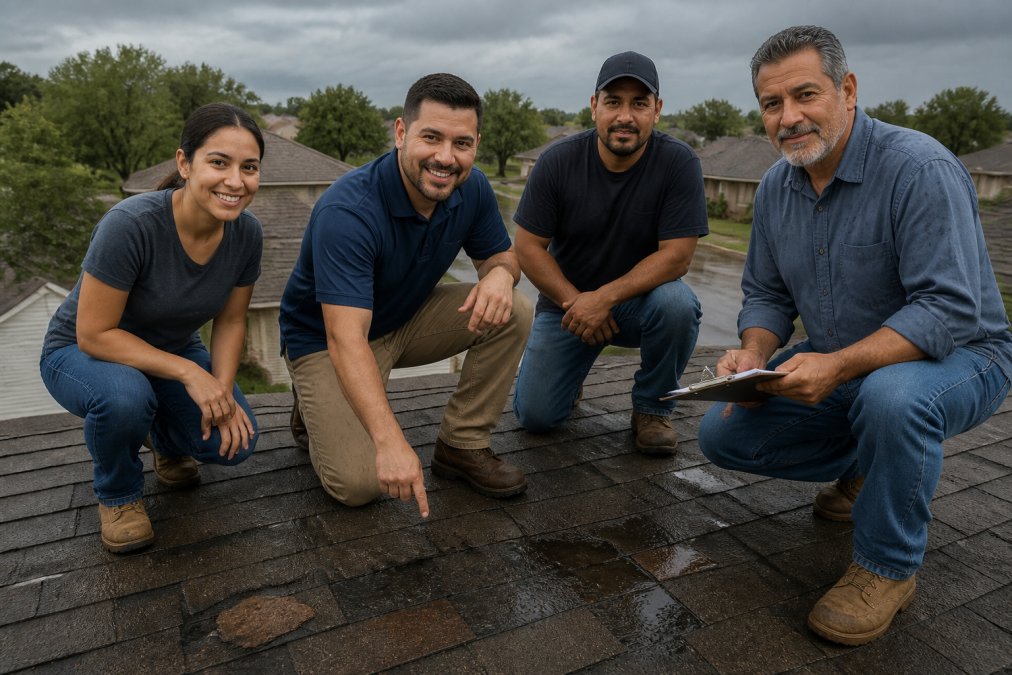
Table of Contents
- 1. Missing or Damaged Shingles
- 2. Granule Loss and Bald Spots on Shingles
- 3. Flashing and Roof Edge Damage
- 4. Water Stains and Interior Leaks
- 5. Gutter and Soffit Damage
- Understanding the Roof Storm Damage Insurance Claim Process
- When to Call a Professional: Hiring a Professional Roofing Contractor in El Paso
- What to Expect: El Paso Roof Inspection Cost and Timeline
- Frequently Asked Questions
Last Updated: September 4, 2026
After a monsoon passes through, your roof takes the brunt of the damage. Wind, hail, and heavy rain can compromise shingles, flashing, gutters, and the interior structure before you even realize there’s a problem. Identifying roof storm damage early is critical, the longer you wait, the more water infiltrates your home and the costlier repairs become. This guide covers seven concrete ways to identify roof storm damage after monsoons, so you can catch issues before they spiral into major structural problems.
At MAK Roofing & Construction, we’ve helped homeowners throughout the region assess storm damage for over 16 years. We know what to look for and what homeowners often miss. Below, we’ll walk you through each sign so you can make an informed decision about whether to call a professional.
1. Missing or Damaged Shingles
The most obvious sign of roof storm damage is missing or visibly damaged shingles. High winds and hail can tear shingles clean off or crack them badly enough that they no longer protect your roof deck. Look for shingles that are cracked, curled, or completely absent. If you see the dark underlayment or wood decking beneath, water damage is already possible.
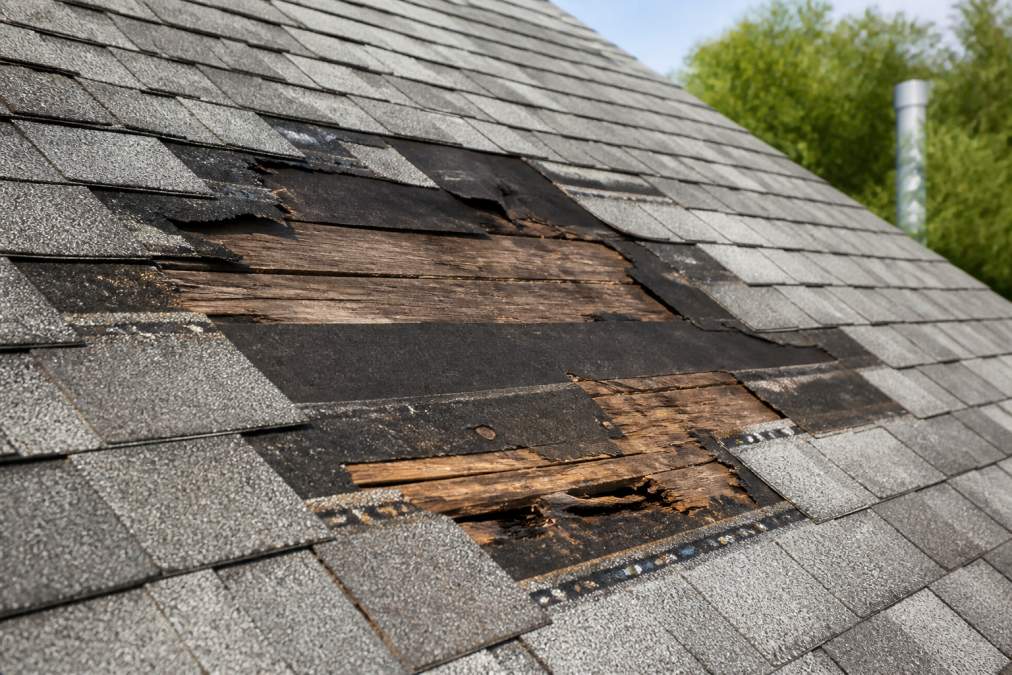
Check your roof from the ground using binoculars, you don’t need to climb up and risk a fall. Pay special attention to the edges and corners where wind forces are strongest. Even a few missing shingles warrant professional inspection, since they leave the structure vulnerable to the next rain event.
Missing shingles expose your roof deck to water infiltration within hours. Even small gaps allow moisture to seep under the remaining shingles and into the attic, leading to mold, rot, and structural damage that costs thousands more to repair than [replacing the shingles](/cracked-roof-tile-replacement-near-me-professional-el-paso-repair-guide/) would have.
2. Granule Loss and Bald Spots on Shingles
Hail doesn’t always remove shingles entirely. Instead, it knocks off the protective granules that coat asphalt shingles, leaving them looking worn or “bald.” These granules protect the asphalt from UV damage and water penetration. Without them, your shingles degrade much faster.
After a storm, check your gutters and downspouts for an unusual amount of dark, sand-like material. That’s granule loss. On the roof itself, look for shingles that appear lighter or shinier than others, those are the bald spots. They may not leak immediately, but they’re compromised and won’t last as long as intact shingles.
Granule loss is subtle but serious. A single hailstone can create a small bare patch that seems minor until water starts seeping through months later. Document these areas with photos for your insurance claim, adjusters understand that granule loss reduces shingle lifespan significantly.
3. Flashing and Roof Edge Damage
Flashing is the metal trim that seals joints where your roof meets chimneys, vents, skylights, and walls. It’s one of the most vulnerable parts of your roof because it’s thin and exposed. Storm winds can bend flashing, separate it from the roof, or create gaps where water enters.
Inspect all visible flashing carefully. Look for bends, gaps, rust, or separation from the roof surface. Pay extra attention to the edges where flashing meets shingles, water often finds its way in at these seams. If you see daylight between the flashing and the roof, that’s a red flag.
The roof edge (the perimeter where the roof meets the fascia and soffit) is also vulnerable. Winds can lift the edge, and hail can dent it. Check for lifted or separated edge metal and any visible damage to the fascia board underneath.
4. Water Stains and Interior Leaks
Water stains inside your home are often the first sign homeowners notice, but they appear days or weeks after the actual damage occurs. Check your attic, upper-floor ceilings, and walls for brown or yellow water stains. These indicate that water has already penetrated the roof and is working its way into your structure.
Don’t wait for visible stains to appear. After a significant storm, climb into your attic during daylight and look for wet spots, discoloration, or active dripping. Wet insulation, darkened wood, or mold growth are signs of ongoing water intrusion. Even small stains suggest a breach somewhere above.
Interior leaks often appear in corners, along walls, or near vents and chimneys, anywhere flashing or roof penetrations exist. A single leak can mean water is traveling along the roof deck or framing before it finds an exit point. The actual damage may be much larger than the visible leak suggests.
Water stains are late-stage indicators. By the time you see them, water has already been inside your home for days or weeks. Mold can begin growing within 24-48 hours of moisture exposure, creating health risks and expensive remediation costs.
5. Gutter and Soffit Damage
Your gutters and soffits (the underside of the roof overhang) take direct hits during storms. Hail dents gutters, high winds can separate them from the fascia, and debris can clog them completely. Damaged gutters fail to channel water away from your home, which leads to water pooling at the foundation and seeping into your basement or crawlspace.
After a storm, inspect your gutters for dents, bends, holes, or separation from the fascia board. Check downspouts for blockages and proper drainage. Look at the soffit for cracks, holes, or moisture damage. If the soffit is wet or discolored, water is likely backing up behind the gutter and into the attic.
Gutter damage is easy to spot from the ground if you look carefully. Use binoculars to check the underside of the gutter for holes or separation. Debris buildup often hides damage, so clear gutters first, then inspect thoroughly.
Understanding the Roof Storm Damage Insurance Claim Process
Once you’ve identified damage, the next step is filing an insurance claim. Document everything with photos and videos taken from the ground and, if safe, from a ladder. Include wide shots showing the overall damage pattern and close-ups of specific problem areas. Timestamps help establish that the damage occurred during the storm.
Contact your insurance company as soon as possible. Most policies require prompt reporting. Your insurer will assign an adjuster who inspects the damage and determines what’s covered. Having professional documentation from a roofing contractor strengthens your claim significantly.
Many insurers require a professional inspection before approving major roof repairs or replacement. This is where hiring a qualified contractor becomes essential. A contractor’s assessment carries weight with adjusters because it’s backed by professional expertise and liability insurance.
Insurance claims move faster when you have professional documentation. Contractors familiar with the roof storm damage insurance claim process know what adjusters need to see and can present findings in a format insurers understand and trust.
When to Call a Professional: Hiring a Professional Roofing Contractor in El Paso
DIY inspection can identify obvious damage, but it has limits. Steep roofs are dangerous to access, and subtle damage, like small flashing separations or minor granule loss, requires trained eyes to spot. A professional roofing contractor brings experience, safety equipment, and the ability to assess structural integrity.
Hiring a professional roofing contractor in El Paso should happen quickly after a major storm. Contractors get busy during storm season, and waiting weeks can mean longer repair timelines. Look for contractors with local experience, proper licensing, insurance, and a track record of storm damage work.
MAK Roofing & Construction has over 16 years of experience handling post-storm inspections and repairs throughout the region. Our team knows El Paso’s specific weather patterns and the damage they cause. We provide comprehensive assessments, insurance claim support, and full repair or replacement services.
Ask potential contractors about their process: Do they offer free inspections? Can they provide documentation for insurance claims? What’s their timeline for repairs? A good contractor answers these questions clearly and provides references from recent storm damage work.
What to Expect: El Paso Roof Inspection Cost and Timeline
Professional roof inspection costs vary depending on roof size, complexity, and the extent of visible damage. Many contractors offer free or low-cost initial inspections after storms, especially if you’re likely to hire them for repairs. For a detailed structural assessment, expect to pay a service fee, though reputable contractors often credit this toward repair costs if you proceed with them.
Timeline depends on damage severity and contractor availability. Simple repairs, replacing a few shingles or resealing flashing, can happen within days. Major damage requiring partial or full roof replacement may take weeks, especially during peak storm season when contractors are backlogged.
Insurance claims add time to the timeline. After you file, the adjuster schedules an inspection, reviews the contractor’s assessment, and approves coverage. This process typically takes 1-3 weeks. Once approved, repairs can begin immediately.
| Inspection Type | Typical Cost Range | Timeline | What’s Included |
|---|---|---|---|
| Free visual inspection | Contact for pricing | Same day or next day | Ground-level assessment, basic damage identification |
| Detailed professional inspection | Contact for pricing | 1-2 days | Full roof access, structural assessment, insurance documentation |
| Attic inspection | Included with roof inspection | 1-2 days | Interior moisture check, ventilation assessment |
| Insurance claim documentation | Often included with repair quote | 2-3 days | Detailed photos, written assessment, claim support |
Contact MAK Roofing & Construction for a professional assessment of your roof after storm damage. Our team provides detailed inspections, helps navigate the insurance claim process, and handles repairs with the quality and reliability you expect from a contractor with 16 years of local experience.
Storm damage assessment doesn’t have to be complicated or stressful. By knowing what to look for, missing shingles, granule loss, flashing damage, water stains, and gutter problems, you can identify issues quickly and take action before they worsen. When you need professional help, hiring an experienced roofing contractor in El Paso ensures your home gets the protection it deserves. MAK Roofing & Construction combines thorough inspection, transparent communication, and expert repairs to restore your roof and give you peace of mind. Contact us for a free evaluation of your roof’s condition and a detailed plan for any necessary repairs.
Frequently Asked Questions
What does monsoon roof damage look like in El Paso?
Monsoon damage typically appears as missing or curled shingles, exposed flashing, granule loss creating bald patches, and water stains on ceilings or attic areas. Wind-driven rain can force water under shingles, while hail creates dents and cracks. Check your roof’s south and west-facing sides first, as they take the most direct impact from afternoon storms.
How do I know if my roof was damaged by high winds?
High wind damage shows as lifted, curled, or completely torn-away shingles, often with exposed nail holes. Flashing around vents and chimneys may be bent or separated. Gutters and fascia can be dented or pulled away from the house. Look for debris scattered across your yard and neighboring properties as another indicator of significant wind force.
Should I get a roof inspection after a heavy monsoon storm?
Yes. Even if you don’t see obvious damage from the ground, wind and hail can cause hidden damage to shingles, flashing, and underlayment that leads to leaks months later. A professional inspection documents all damage for insurance purposes and prevents costly water damage to your interior. Schedule an inspection within a few days of the storm while damage is fresh.
Does homeowners insurance cover monsoon roof damage in Texas?
Most standard homeowners insurance policies cover wind and hail damage to your roof, including monsoon-related damage. However, coverage depends on your specific policy, deductible, and whether the damage is deemed storm-related. Review your policy details and contact your insurer immediately after a storm. Professional documentation of damage from a contractor strengthens your claim.
This article was written using GrandRanker