

- BY
- POSTED IN Uncategorized
- WITH 0 COMMENTS
- PERMALINK
- STANDARD POST TYPE
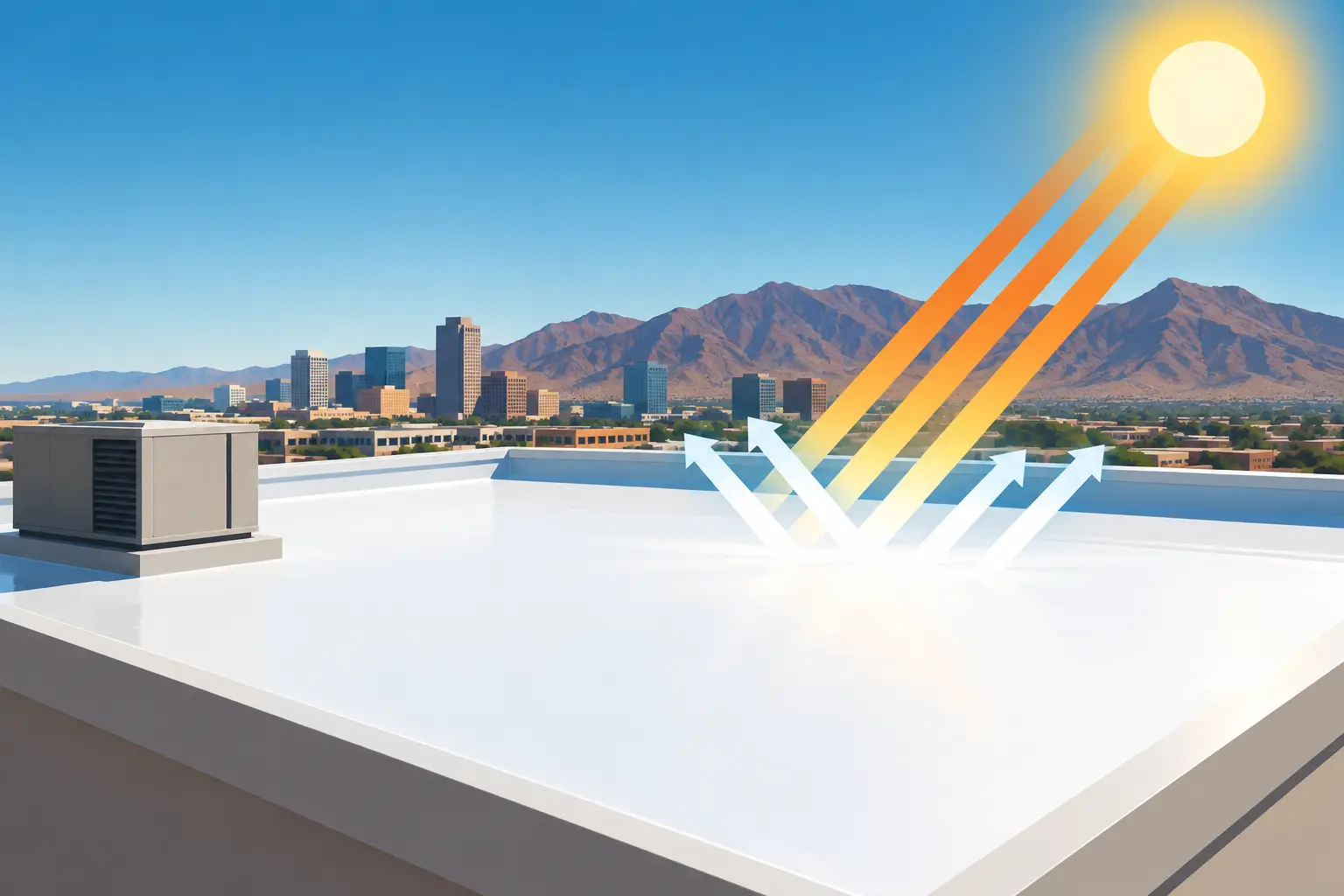
A coating can look bright white on the day it is applied and still fail early if the roof below it was not ready. In El Paso, roof coating performance depends on more than the product in the bucket. Intense sun, wide temperature swings, windblown dust, summer rain, and standing water around drains can all test a coating system over time.
For homeowners and commercial property owners, a roof coating can be a practical way to extend the life of an existing roof, reduce heat absorbed at the roof surface, and address minor weathering before it becomes a larger repair. But it is not a one-size-fits-all answer. The right result begins with an honest evaluation of the existing roof and a system designed for the building.
What Roof Coating Performance Should Deliver
A properly selected and installed roof coating creates a protective layer over an existing roof surface. Its purpose is to help defend the roof against ultraviolet exposure, moisture, and surface deterioration. Many reflective coatings also help reduce the amount of solar heat absorbed by the roof, which can support better indoor comfort and lower cooling demands during El Paso’s hottest months.
Performance is not measured only by how reflective a coating looks. A coating should adhere securely to the roof, remain flexible as temperatures change, resist cracking, and maintain protection at vulnerable details such as seams, penetrations, curbs, parapet walls, and drains. On a commercial flat roof, it should also work with the roof’s drainage conditions rather than hide an ongoing ponding-water problem.
The expected service life depends on the coating material, roof condition, thickness applied, maintenance plan, and exposure. A coating may postpone the need for replacement, but it cannot correct saturated insulation, failed flashing, major structural movement, or a roof system that has reached the end of its useful life.
The Roof Beneath the Coating Matters Most
The best coating material cannot make up for poor preparation. Before a coating project, the roof needs a thorough inspection to identify leaks, loose material, open seams, damaged flashing, cracks, blistering, soft areas, and signs of trapped moisture. Repairs should be completed before coating begins.
Cleaning is equally important. El Paso roofs collect dust, dirt, loose granules, and debris that can interfere with adhesion. The surface must be cleaned correctly, allowed to dry, and prepared according to the coating manufacturer’s requirements. Depending on the roof type, this may include priming, reinforcing seams, treating rust on metal panels, or repairing areas around roof penetrations.
This is where a lower upfront price can become expensive later. Applying coating over an unclean surface or unresolved leak may save time at the start, but the system can peel, bubble, or allow water to keep moving beneath the surface. A professional inspection helps determine whether coating is a sound investment or whether repairs or replacement should come first.
Moisture Is the Deciding Factor
A roof can appear dry from above while holding moisture within the assembly. If a coating seals over wet materials, heat can turn that trapped moisture into vapor pressure. The result may be blisters, adhesion failure, and continued damage below the coating.
For this reason, qualified crews evaluate suspect areas carefully before moving forward. In some cases, localized repairs are enough. In others, wet insulation or deteriorated roofing materials need to be removed before a coating system can perform as intended.
Choosing a Coating for El Paso Conditions
Roof coatings are not interchangeable. The right choice depends on the existing roof system, slope, drainage, foot traffic, weather exposure, and the owner’s long-term plans for the property.
Acrylic coatings are often valued for reflectivity and can perform well on properly sloped roofs with positive drainage. They are a common option for roofs where reducing solar heat gain is a priority. However, they may not be the best choice for areas that hold water for long periods.
Silicone coatings are often considered where ponding water is a concern because they have strong moisture resistance. They can be a good fit for certain low-slope commercial roofs, though their surface can attract dirt over time and may require the right maintenance approach to preserve reflectivity.
Polyurethane coatings offer strong durability and can be useful in areas exposed to foot traffic or mechanical wear. They may be used as part of a system where toughness is especially important. Metal roofs, modified bitumen roofs, and other existing systems each have their own preparation and compatibility requirements.
The goal is not to choose the most expensive coating or the product with the broadest claims. It is to choose a complete system that fits the roof. That includes compatible primers, seam treatment, reinforcement fabric where needed, the specified coating thickness, and attention to every transition point.
Installation Quality Controls Long-Term Results
Coating thickness matters. A thin, uneven application can wear out faster and may not provide the protection promised by the system design. Professional crews measure coverage and apply the material at the required rate instead of relying on appearance alone.
Weather conditions also matter during installation. Coatings need suitable surface temperatures and dry conditions to cure correctly. El Paso heat can speed up drying, but extreme surface temperatures can also affect application. A crew needs to schedule the work around forecast conditions, roof temperature, and the manufacturer’s specifications.
Details deserve extra attention. Drains, scuppers, rooftop equipment, pipe penetrations, seams, and flashing transitions are frequent sources of leaks. Coating these areas without proper repair and reinforcement does not solve the underlying weakness. A quality project treats those details as part of the system, not as an afterthought.
Maintenance Protects Roof Coating Performance
A coated roof still needs maintenance. The good news is that regular care is usually far less disruptive than waiting for a leak to become interior damage. Commercial property managers should plan periodic inspections, particularly before and after monsoon season. Homeowners should also have the roof checked after major storms or whenever they notice staining, ceiling spots, or debris buildup.
Keep drains and scuppers clear so water can leave the roof. Remove branches, windblown debris, and dirt accumulation that can hold moisture against the surface. Watch for punctures from service work, loose flashing, cracked sealant, or areas where the coating has been damaged by foot traffic.
Small problems are more manageable when caught early. A simple repair to a damaged area can preserve the rest of the system. Waiting until water enters the building may mean repairing insulation, drywall, paint, flooring, inventory, or equipment in addition to the roof.
When a Roof Coating Is Not the Right Answer
A coating may not be appropriate when the roof has widespread leaks, serious deck damage, extensive wet insulation, failing structural components, or a surface that cannot be prepared for reliable adhesion. It also may not be the best choice if a property owner needs a new roofing system with a full manufacturer-backed warranty path suited to the building’s condition.
This is why a straightforward inspection matters. Some roofs need a targeted repair and coating. Others need replacement with TPO, modified bitumen, metal, spray foam, or another system designed for the property. The right recommendation should protect the building, not force every roof into the same solution.
For property owners in El Paso, the most dependable path is to treat a roof coating as a designed system, not a quick cover-up. MAK Roofing & Construction can inspect the roof, explain the condition clearly, and help determine whether repairs, coating, or replacement will give your property the protection it needs. Schedule an appointment before the next small roof issue becomes a larger one.