

- BY
- POSTED IN Uncategorized
- WITH 0 COMMENTS
- PERMALINK
- STANDARD POST TYPE
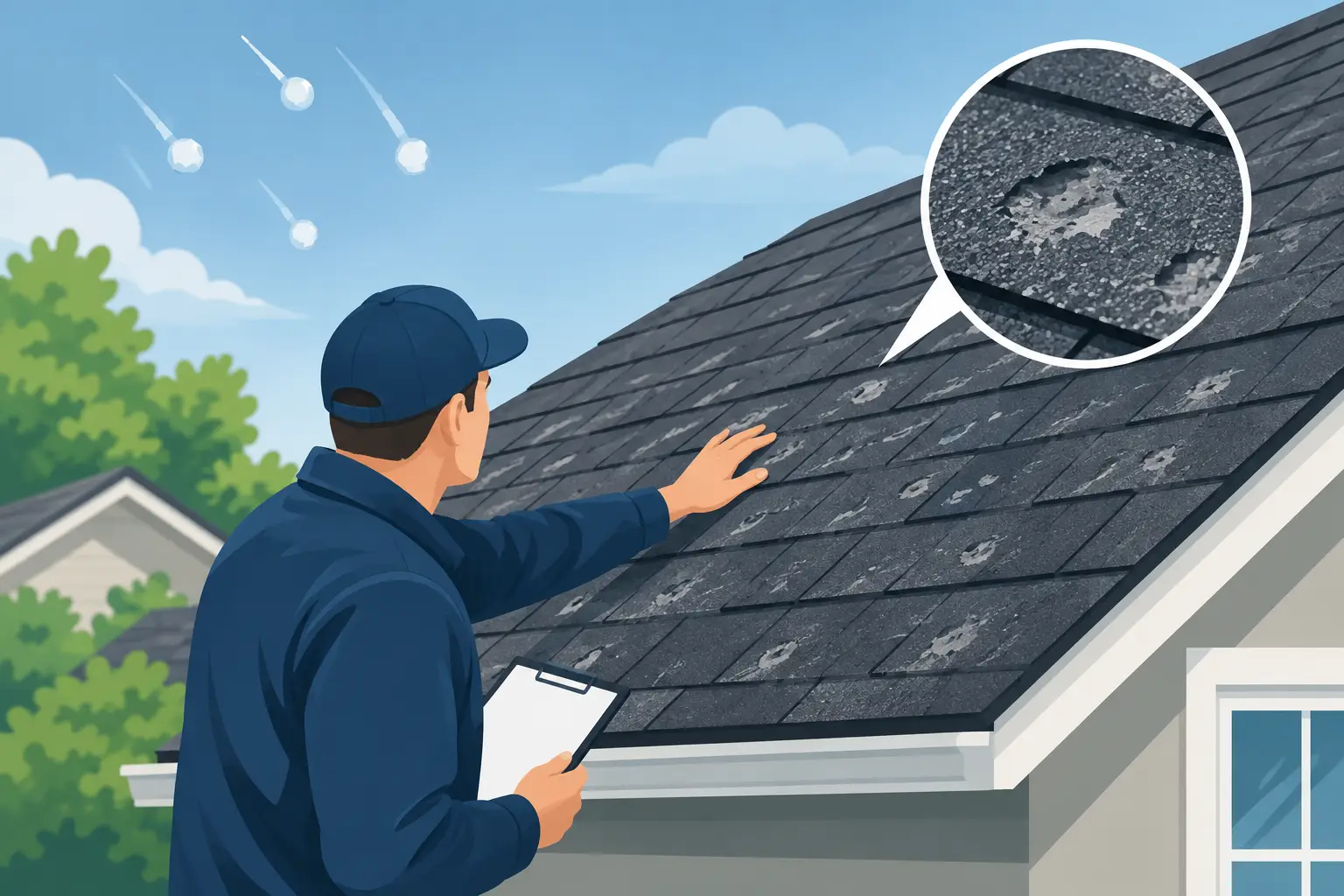
A hailstorm can leave a roof looking almost normal from the ground while shortening its service life one impact at a time. Knowing how to spot hail damage soon after a storm gives El Paso property owners time to document the condition, prevent water intrusion, and make informed repair decisions before a small issue becomes a costly leak.
Hail damage is not always dramatic. Large hail can crack tiles, dent metal, and break skylights. Smaller hail may only knock granules loose from shingles, bruise an asphalt surface, or weaken a roof coating. Those subtle signs still matter because the roof’s outer surface is what sheds water and protects the materials underneath.
Start With a Safe Ground-Level Inspection
Do not climb onto a wet, steep, or potentially damaged roof. A ground-level inspection with binoculars, photos from a safe position, or a qualified roofing professional is the better first step. Look around the whole property, not just at the roof. Hail usually leaves evidence on soft metals and other exposed surfaces that can help confirm the storm’s intensity.
Walk the perimeter and check gutters, downspouts, window screens, fence caps, outdoor HVAC units, mailbox posts, patio covers, and vehicles. Dents on these surfaces do not automatically mean the roof needs replacement, but they are a reason to inspect the roofing system more closely.
Take clear photos of anything unusual while it is fresh. Photograph wide views of the property as well as close-ups of dents, broken materials, and debris. If you later need repairs or an insurance review, a dated record of the condition can be useful.
How to Spot Hail Damage on Different Roof Types
The visible evidence depends on the roofing material. A trained inspection is especially valuable in El Paso because many properties use tile, flat roofing, metal, coatings, or foam systems instead of standard asphalt shingles.
Asphalt Shingles
On an asphalt shingle roof, hail damage often appears as random, dark impact marks where protective granules have been knocked away. The affected area may look like a bruise, a soft spot, or an irregular circle with exposed black asphalt beneath it. The marks are typically scattered rather than arranged in a straight line.
Check the ground and gutters for an unusual amount of shingle granules. Some granular loss is normal as a roof ages, so this sign must be considered with the roof’s age and the condition of the shingles themselves. Hail can also crack shingles, loosen their seal, or create fractured edges that are easier for wind to lift later.
Tile Roofs
Clay and concrete tile roofs can handle weather well, but hail can chip, crack, or fracture individual tiles. A crack may be difficult to see from the ground, particularly on a roof with textured or earth-toned materials. Look for displaced tiles, fresh chips, broken corners, or pieces of tile on the ground around the building.
Not every surface chip affects performance. A shallow cosmetic mark may not expose the underlayment, while a full crack can allow water to reach the layers below. Because walking incorrectly on tile can cause additional breakage, leave a close inspection to an experienced crew.
Metal Roofing
Metal panels, flashing, vents, and ridge caps can show dents after hail. Small dents may be cosmetic, but deeper impacts can affect seams, protective finishes, fasteners, or drainage paths. Pay special attention to roof penetrations and flashing around chimneys, walls, vents, and skylights, where a dent or loosened component can become a leak point.
Flat Roofs, Coatings, and Spray Foam
Commercial roofs and low-slope residential roofs require a different inspection approach. Hail can puncture a membrane, crack a coating, bruise modified bitumen, or create divots in spray foam. These issues may hold water after a storm, which can accelerate deterioration if drainage is already limited.
From a safe vantage point, look for standing water that remains after the roof should have drained, debris blocking scuppers or drains, torn flashing, and damage around rooftop equipment. A professional should inspect the full roof surface because a small puncture can be difficult to identify without close evaluation.
Check the Rest of the Exterior
A roof is only one part of the building envelope. Hail can damage siding, stucco finishes, exterior paint, windows, gutters, and outdoor structures at the same time. A complete exterior review helps determine the full scope of storm damage and prevents overlooked repairs.
On stucco, look for fresh chips, cracks, or impact divots. Small marks may be cosmetic, but openings in the finish can allow moisture into the wall assembly. On siding, watch for cracks, dents, or broken panels. Window screens may be torn, and window frames or glass can show chips, cracks, or damaged seals.
Gutters deserve close attention. Dented gutters may still carry water, but bent sections can hold debris, pull away from the fascia, or direct runoff where it does not belong. Check for dented downspouts, loosened hangers, and overflow signs near the foundation.
Know the Difference Between Hail Damage and Normal Wear
Not every roof imperfection came from the latest storm. Heat, ultraviolet exposure, wind, age, foot traffic, poor installation, and tree debris can all create wear that resembles impact damage. In El Paso’s intense sun and dry climate, aging materials may become brittle and more likely to crack during a hail event.
Hail marks tend to be randomly distributed and similar in size or shape across several exposed surfaces. Normal wear is often more uniform, concentrated on sun-facing slopes, or related to a known issue such as blistering, poor drainage, or worn sealant. A professional inspection can distinguish between storm-related damage, maintenance needs, and conditions that existed before the storm.
That distinction matters. Replacing a roof that only needs targeted repair is unnecessary, but ignoring genuine impact damage can allow moisture to reach decking, insulation, drywall, and interior finishes.
Signs That Call for a Prompt Inspection
Schedule an inspection promptly if you see broken tiles, missing shingle granules, punctures, split seams, damaged flashing, or a new ceiling stain. Water spots, peeling paint near ceilings, damp insulation, and musty odors can mean water has already moved past the roof surface.
Commercial property owners and facility managers should also act quickly when a storm affects rooftop units, drains, skylights, or wall transitions. Even if operations have not been interrupted, documenting roof conditions early supports maintenance planning and helps prevent a surprise leak during the next rain.
If the roof is older, the need for a timely inspection is even greater. Older materials may have less flexibility and may not recover as well from impact. On the other hand, a newer roof with minor cosmetic dents may only require monitoring or limited repair. The right solution depends on the material, damage location, roof age, and whether the waterproofing system has been compromised.
What to Do After You Find Possible Damage
First, protect the property without creating more damage. Move valuables away from active leaks, place containers under dripping water, and avoid opening ceilings or making temporary roof repairs unless it is safe to do so. If an emergency tarp is needed, have it installed carefully so fasteners do not create additional holes.
Next, arrange a professional roof inspection. A thorough assessment should review the roof surface, flashing, penetrations, drainage components, and visible interior signs of water intrusion. It should explain whether the recommended path is repair, maintenance, coating restoration, or replacement.
MAK Roofing & Construction can inspect hail-affected residential and commercial roofing systems and provide clear recommendations based on the condition of the entire property. A qualified contractor can also help identify exterior repairs that should be coordinated at the same time, including gutters, stucco, drywall, paint, or insulation affected by a leak.
Be cautious about anyone who offers an instant diagnosis from the street or pressures you to sign paperwork before explaining the actual condition of your roof. Storm damage deserves a careful inspection, clear photos, and a scope of work that matches what the property truly needs.
A Professional Inspection Brings the Full Picture Into Focus
Hail damage is easy to miss when it is limited to small fractures, lost granules, punctures, or weakened seams. The best time to look is soon after the storm, when the evidence is easier to identify and before the next round of rain tests every vulnerable spot.
A prompt, professional inspection gives you a practical starting point: protect what is sound, repair what is damaged, and keep your property ready for the weather ahead.