

- BY
- POSTED IN Uncategorized
- WITH 0 COMMENTS
- PERMALINK
- STANDARD POST TYPE
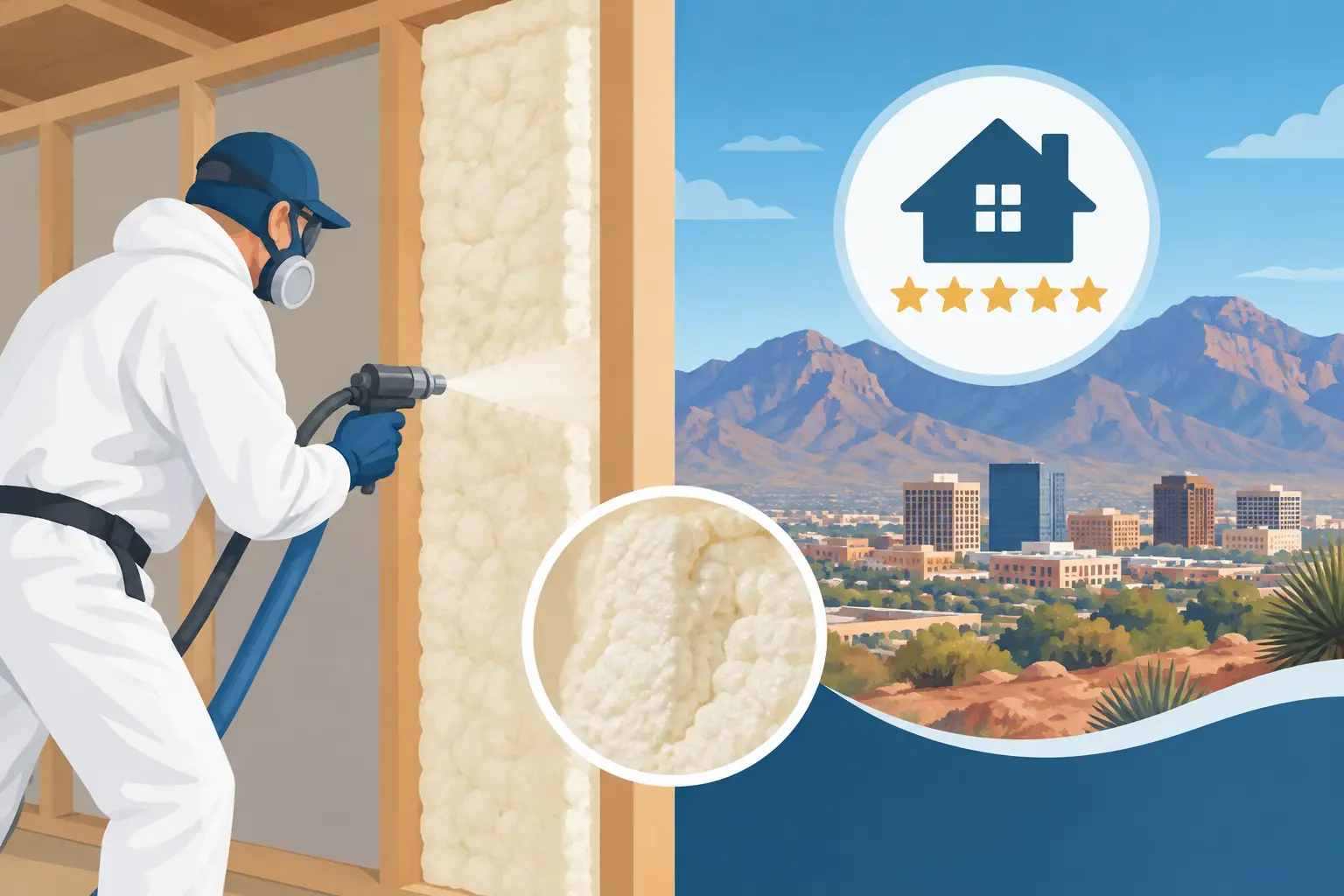
A five-star rating is encouraging, but it does not tell you whether a spray foam roof will hold up through an El Paso summer, seal around roof penetrations correctly, or receive the maintenance it needs years later. The most useful spray foam reviews explain what was installed, how the contractor handled the property, and whether the roof performed after real weather arrived.
For homeowners and commercial property owners, spray polyurethane foam can be an excellent roofing solution. It creates a continuous, insulated surface that can help control heat gain, protect low-slope roofs, and eliminate many seams where water can enter. Results depend heavily on roof design, surface preparation, crew experience, protective coating application, and ongoing care. That is why reading reviews carefully matters as much as comparing estimates.
What Spray Foam Reviews Should Tell You
Good reviews give you more than a general statement that a crew was “great.” Look for details that show the contractor took ownership of the job from inspection through cleanup. A reviewer may describe an active leak that stopped, a noticeably cooler building, clear communication during a large commercial project, or a crew that protected landscaping and surrounding surfaces while spraying.
Specific results are especially useful. If several customers mention that the contractor found and corrected wet or damaged roof areas before applying foam, that is a positive sign. Spray foam roofing should not be used to hide structural problems, trapped moisture, failing decking, or loose existing materials. The roof has to be evaluated and prepared so the new system has a sound surface to bond to.
Pay attention to when the review was written. A review posted immediately after installation can reveal a lot about professionalism and jobsite management. A review written months or years later can reveal how the roof handled heat, rain, ponding water, wind, and normal building movement. Both types matter, but they answer different questions.
Separate Roofing Reviews From Insulation Reviews
The phrase “spray foam” can describe two very different services. One is interior insulation, commonly installed in attics, walls, or crawl spaces. The other is spray polyurethane foam roofing, which is applied over a properly prepared roof surface and then protected with a coating.
Interior insulation reviews can help you evaluate a contractor’s care, scheduling, and customer service. They do not necessarily prove that the company has the equipment, trained roofing crews, coating knowledge, and repair experience required for a rooftop foam system. When comparing feedback, make sure the review refers to the same type of work you need.
For a commercial building or a flat residential roof, search for feedback mentioning low-slope roofing, roof coatings, leak repair, maintenance, drains, parapet walls, curbs, or rooftop equipment. Those details indicate experience with the conditions that affect roofing performance.
The Installation Details That Matter Most
Spray foam roofing is not a one-size-fits-all product. A qualified contractor should explain whether the roof is a good candidate and why. Foam may be applied over certain existing roof systems when they are dry, stable, and properly prepared. In other cases, removal, repairs, or a different roofing system may be the safer long-term decision.
The best reviews often reveal how a contractor handles the details that customers may not know to ask about. Those details include cleaning and priming the roof where needed, repairing damaged areas, building proper slope where practical, sealing transitions, and applying the protective coating at the right thickness. Foam provides insulation and creates a monolithic surface, but the coating is its first defense against ultraviolet exposure and weathering.
A contractor should also discuss overspray control. Spray foam must be applied with careful attention to wind conditions, adjacent buildings, vehicles, landscaping, HVAC equipment, and pedestrian areas. Responsible crews plan containment and protection before work begins. Reviews that mention clean jobsites and careful preparation are worth taking seriously.
Look for Communication About Maintenance
No roof should be sold as maintenance-free. A spray foam roof is repairable and renewable, which is a major advantage, but it should be inspected regularly. The coating can eventually wear from sun exposure, foot traffic, standing water, or storm damage. Small issues are often straightforward to repair when found early.
Reviews from long-term customers may mention follow-up inspections, coating renewals, responsive leak service, or clear maintenance recommendations. That is the kind of relationship property owners need. A roof is a building asset, not a one-day purchase.
For commercial owners and facility managers, ask whether the contractor can provide a maintenance plan that fits the building. Roof access, rooftop units, drainage patterns, foot traffic, and the age of the existing system all affect inspection needs. A good contractor will not offer the same recommendation for every property.
Red Flags to Watch for in Spray Foam Roofing Feedback
A few negative reviews do not automatically disqualify a contractor. Construction projects involve weather delays, hidden damage, material lead times, and occupied buildings. What matters is the pattern and, when available, how the contractor responded.
Be cautious if multiple reviews mention poor communication after payment, repeat leaks with no meaningful repair plan, surprise charges, messy overspray, or a contractor who could not explain the system being installed. Also be cautious with reviews that promise dramatic energy savings without any context. Spray foam can improve thermal performance, but actual savings depend on roof condition, insulation levels, HVAC efficiency, building use, thermostat settings, and local weather.
An estimate that is far below others deserves a closer look as well. The lower price may reflect thinner foam, insufficient coating, limited preparation, skipped repairs, or exclusions that appear later. Compare the full scope of work, not only the final number.
Questions to Ask Beyond the Reviews
Reviews should narrow your list, not replace a professional roof evaluation. During an inspection, ask the contractor to identify the current roof system, the source of any leaks, and whether moisture is present beneath the surface. Ask what preparation is included, what foam thickness and coating system are proposed, and how drains, edges, penetrations, and rooftop equipment will be addressed.
You should also ask about warranty coverage, expected maintenance, project schedule, access requirements, and what happens if conditions under the existing roof are different from what was visible during the estimate. Clear answers protect both sides of the project.
For homeowners, this conversation should stay understandable. You do not need to become a roofing expert to make a sound decision. You do need a contractor willing to explain the work in plain language and put the agreed scope in writing. For commercial properties, request documentation that helps with future maintenance records and property planning.
Is Spray Foam the Right Roof for Your Property?
Spray foam roofing can be a strong fit for many flat and low-slope roofs in El Paso because it adds insulation, has few seams, and can conform around irregular roof shapes. It may be particularly valuable where heat gain is a concern or where numerous penetrations make seam-heavy systems more vulnerable to leaks.
Still, it depends on the roof. A building with severe substrate damage, chronic drainage problems, unsuitable surface conditions, or a roof design that needs major correction may require repairs or another system first. TPO, modified bitumen, metal, coatings, or other roofing options may make more sense depending on the building and budget.
The right contractor will recommend the system that protects the property, not simply the one they prefer to install. At MAK Roofing & Construction, that means starting with the roof in front of us, explaining practical options, and managing the work with experienced crews.
When you read spray foam reviews, look past the star count and look for proof of careful preparation, honest communication, clean installation, and support after the project is complete. Then schedule an inspection with a contractor who is prepared to evaluate your roof on its actual condition, not assumptions.