

- BY
- POSTED IN Blog
- WITH 0 COMMENTS
- PERMALINK
- STANDARD POST TYPE
Table of Contents
- Why Exterior House Painting Matters for Your Home
- The Real ROI of Exterior House Painting
- Exterior House Painting Cost in El Paso: What Affects Your Budget
- Best Exterior Paint for Stucco in Desert Climate Conditions
- How Much Value Does Exterior Painting Add to a Home?
- Cost-Benefit Analysis: Should You Invest Now?
- Frequently Asked Questions
Last Updated: September 22, 2026
Why Exterior House Painting Matters for Your Home
Exterior house painting is more than cosmetic maintenance, it’s a protective investment that shields your home from the elements while enhancing its curb appeal. The condition of your exterior paint directly affects how well your home resists weathering, moisture infiltration, and structural deterioration. In El Paso’s intense desert climate, where UV radiation and temperature swings stress building materials constantly, quality exterior paint acts as your first line of defense against damage that would otherwise require far more expensive repairs.
Most homeowners underestimate how much exterior paint contributes to overall property performance. Faded, peeling, or damaged paint allows water to penetrate behind siding and stucco, leading to wood rot, mold growth, and foundation issues. The real question isn’t whether you should paint your exterior, it’s whether you can afford not to. A fresh coat of quality paint typically lasts 5-10 years, depending on climate and material, making it one of the most cost-effective preventive measures available.
The best time to paint is before problems start. Once water damage begins, you’re no longer preventing, you’re remedying. Prevention always costs less than repair.
The Real ROI of Exterior House Painting
Return on investment for exterior painting depends on several factors: the quality of materials used, the condition of the underlying surfaces, and local market conditions. When homeowners invest in professional exterior painting with quality materials, they typically see measurable returns through extended home lifespan, reduced maintenance costs, and improved market appeal.
The financial benefit breaks down into two categories: cost avoidance and resale value. Cost avoidance comes from preventing water damage, wood rot, and structural issues that would require thousands in repairs. A well-maintained exterior paint system stops water infiltration before it becomes a structural problem. Resale value reflects buyer perception, homes with fresh, well-maintained exteriors command stronger offers than those with weathered or damaged paint.
Beyond the numbers, exterior painting improves energy efficiency. Quality exterior coatings reflect solar heat, particularly important in El Paso where summer temperatures regularly exceed 95 degrees Fahrenheit. This reduces cooling costs and extends the life of your air conditioning system. Over a 5-year period, the energy savings alone can represent a meaningful portion of your initial investment.
Exterior painting prevents expensive structural damage while improving home comfort and market value. It’s one of the few improvements that pays for itself through cost avoidance alone.
Exterior House Painting Cost in El Paso: What Affects Your Budget
Several factors determine the actual cost of exterior house painting in your area. Surface area is the primary driver, larger homes require more material and labor. However, the condition of existing surfaces matters significantly. Homes with extensive prep work needed (power washing, scraping loose paint, caulking gaps, repairing damaged stucco) will cost more than those requiring minimal preparation.
Material selection heavily influences price. Premium exterior paints formulated for desert climates, with enhanced UV protection and breathability for stucco, cost more upfront but deliver superior longevity and performance. Budget-grade paints may require repainting in 3-4 years, while quality formulations last 7-10 years. The per-year cost often favors premium materials despite higher initial expense.
Surface type affects complexity and cost. Stucco requires different preparation and paint selection than wood siding or composite materials. Textured stucco surfaces demand more paint volume and careful application technique. Flat or damaged stucco may require repair before painting can begin. Local contractors understand these nuances, what works in a temperate climate often fails in El Paso’s harsh desert conditions.
Timing also influences pricing. Peak painting season (spring and fall) typically commands higher rates than off-season work. Emergency or rush jobs carry premiums. Planning your project in advance and remaining flexible on timing can reduce costs without sacrificing quality.
Best Exterior Paint for Stucco in Desert Climate Conditions
Stucco in desert environments requires paint specifically formulated to handle extreme UV exposure, low humidity, and temperature fluctuations. Standard exterior paint often fails prematurely on stucco because it doesn’t account for the material’s unique properties, its porosity, thermal expansion, and moisture dynamics.
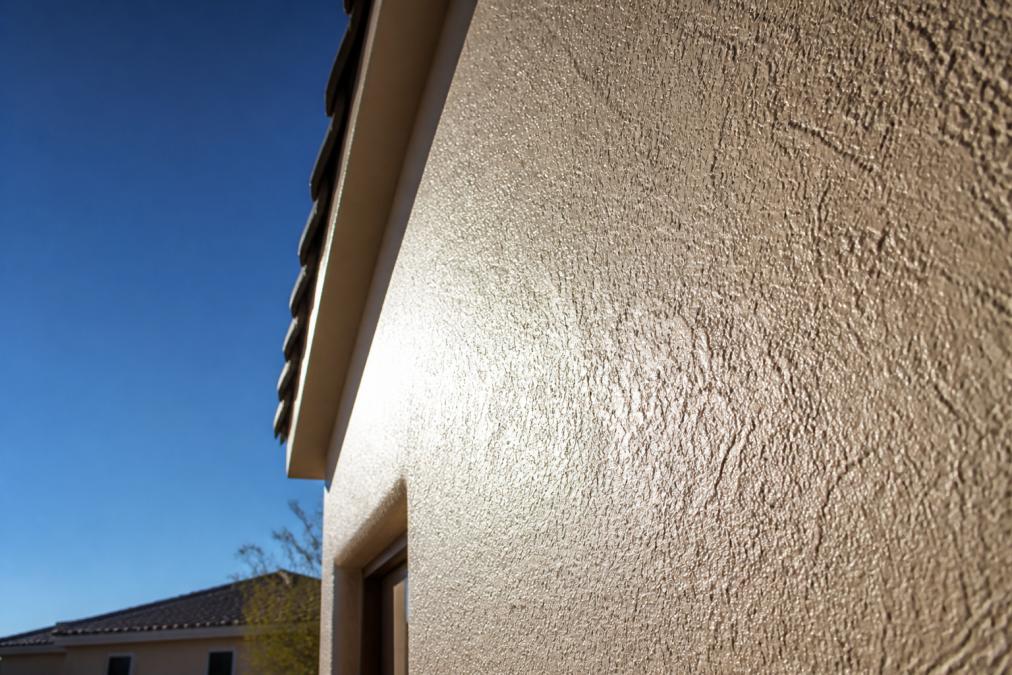
The best stucco paints are breathable, allowing moisture vapor to escape without trapping water behind the coating. This prevents blistering and peeling that occurs when moisture becomes trapped between paint and stucco. Look for paints specifically labeled for stucco or masonry applications in arid climates. These formulations typically include:
- Enhanced UV blockers to resist fading from intense desert sun
- Elasticity to accommodate stucco’s thermal movement
- Mildew resistance for dust and occasional moisture exposure
- High solids content for better coverage and durability
Color selection matters in desert climates. Lighter colors reflect more solar heat, reducing surface temperatures and cooling costs. Darker colors absorb heat, which can accelerate paint degradation and increase interior cooling demands. The most practical approach combines aesthetic preference with performance, choosing colors in lighter or medium tones when possible.
Application technique is equally important as material selection. Stucco paint must be applied in optimal conditions, not during extreme heat, direct sunlight, or when rain is forecast. Professional painters understand how desert conditions affect drying times and paint adhesion. Poor application in harsh conditions leads to premature failure regardless of paint quality.
Applying stucco paint in temperatures above 85 degrees or in direct sunlight causes rapid drying that prevents proper adhesion. This results in peeling within months. Timing your project for cooler parts of the day or season prevents costly failures.
How Much Value Does Exterior Painting Add to a Home?
The value added by exterior painting manifests differently than kitchen or bathroom remodels. Rather than commanding a direct dollar-for-dollar return, exterior painting delivers value through market perception and cost prevention. Homes with fresh, well-maintained exteriors sell faster and command stronger offers than comparable properties with weathered paint.
Market research consistently shows that exterior condition influences buyer decisions disproportionately to its cost. A home with peeling paint, regardless of interior quality, signals deferred maintenance and potential hidden problems. Buyers approach such properties with skepticism and lower offers. Conversely, a well-maintained exterior creates confidence in the property’s overall condition, even if interior work remains.
The specific value depends on local market conditions and how long you plan to stay. If you’re selling within the next 2-3 years, a fresh exterior paint job near closing significantly improves buyer perception and final sale price. If you’re staying long-term, the value comes primarily through cost avoidance, preventing water damage and structural issues that would eventually require major repairs.
Professional contractors understand how exterior improvements integrate with the broader home maintenance picture. Quality exterior painting protects your investment in other systems, roofing, siding, insulation, and foundation. When these systems work together effectively, your home maintains value and performs efficiently.
Cost-Benefit Analysis: Should You Invest Now?
Deciding whether to paint your exterior now depends on several practical factors. If your current paint is peeling, faded, or showing signs of failure, waiting increases the risk of water damage that turns a cosmetic upgrade into a structural repair. Early intervention prevents compound problems.
If your paint is still intact but aging, consider the timing of other planned improvements. Painting before a roof replacement makes sense, you avoid repainting around new roofing work. Painting before selling makes sense, the investment returns through buyer perception and sale price. Painting before energy-intensive seasons (summer cooling or winter heating) returns value through reduced utility costs.
The financial case for exterior painting strengthens when you factor in prevention. A paint job costing several thousand dollars prevents water damage repairs that could cost tens of thousands. This cost-avoidance calculation heavily favors investing in quality exterior painting sooner rather than later.
Consider also the condition of underlying surfaces. Homes with sound stucco, intact siding, and healthy wood trim benefit more from painting than homes requiring extensive repairs first. If your contractor identifies significant prep work or underlying damage, address those issues before painting. Painting over structural problems wastes money and time.
Homeowners planning to stay 5+ years, those with aging paint showing wear, and anyone planning other exterior work should prioritize exterior painting now. The cost-benefit calculation strongly favors investment in this phase of home maintenance.
Exterior house painting is worth the investment when approached strategically. The decision isn’t simply about aesthetics, it’s about protecting your home’s structural integrity, improving energy efficiency, and maintaining market value. In El Paso’s demanding desert climate, quality exterior paint represents one of the most effective preventive measures available.
MAK Roofing & Construction has over 16 years of experience helping homeowners in the area with roof systems, stucco repair, and overall home protection. Our team can assess your current exterior condition, recommend appropriate paint systems for desert conditions, and manage the entire project from preparation through completion.
Frequently Asked Questions
Does painting the exterior of a house increase its resale value?
Yes, exterior house painting can increase resale value by improving curb appeal and protecting your home’s structure. A well-maintained exterior paint job signals to potential buyers that the property has been cared for. The extent of value added depends on the quality of the work, the condition of the underlying surfaces, and local market conditions. Professional-grade exterior painting typically offers better returns than DIY work because it demonstrates durability and attention to detail.
How often should you repaint a stucco home in the desert climate?
Stucco homes in desert climates typically need repainting every 5-7 years due to intense UV exposure, temperature fluctuations, and dust accumulation. The desert sun fades paint faster than in milder climates, and thermal expansion can cause cracking. Regular inspections help identify when repainting is necessary. Using high-quality exterior paint formulated for desert conditions and applying proper surface preparation can extend the time between repaints and protect your stucco from weather damage.
What’s the difference between DIY and professional exterior house painting?
Professional painters bring proper equipment, experience with surface preparation, and knowledge of climate-specific paint selection that DIY work often lacks. Professionals ensure even coverage, proper priming, and correct application techniques that extend paint longevity. They also handle safety concerns and typically offer warranties on their work. While DIY painting costs less upfront, professional work usually delivers better results, longer-lasting protection, and saves you time and physical labor.
How does the desert sun affect exterior paint longevity?
Desert sun exposure accelerates paint fading and degradation through constant UV radiation and extreme heat cycles. Temperature swings between hot days and cool nights cause paint to expand and contract, leading to cracking and peeling. High-quality exterior paints with UV-protective additives and proper surface preparation resist these effects better. Choosing paint specifically formulated for desert climates and maintaining regular inspections helps preserve your home’s exterior appearance and protective coating longer.