

- BY
- POSTED IN Blog
- WITH 0 COMMENTS
- PERMALINK
- STANDARD POST TYPE
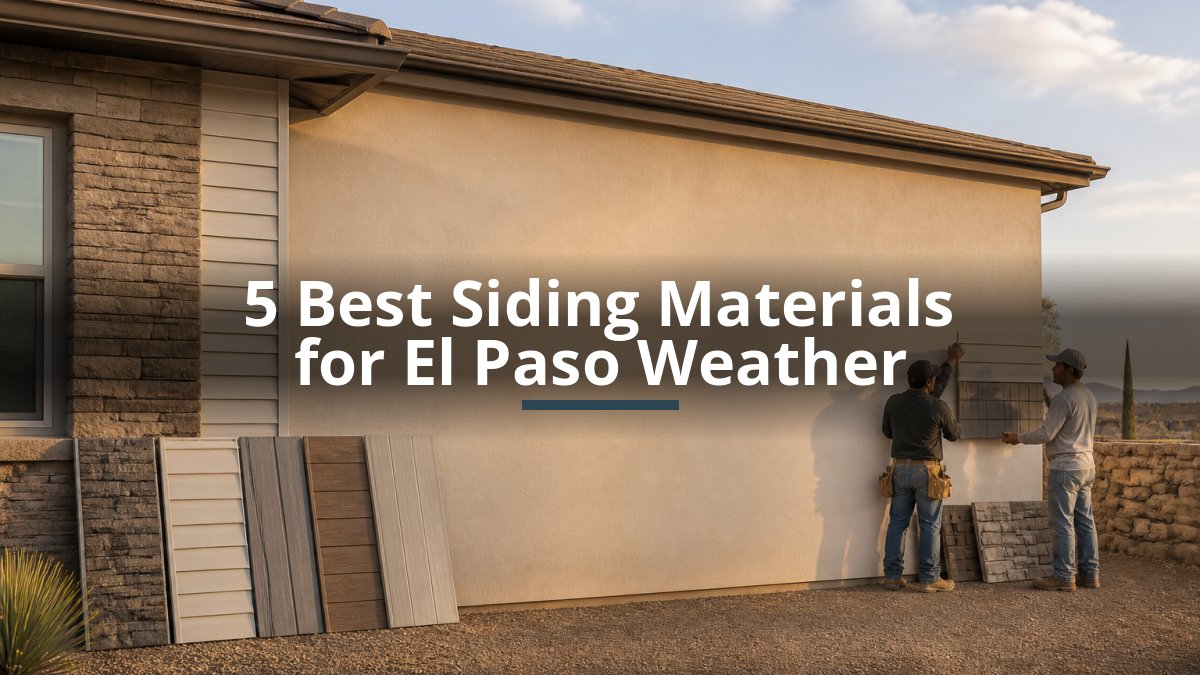
Table of Contents
- What Makes Siding Materials Work in El Paso Weather
- Stucco: The Desert-Proven Choice for El Paso Homes
- Fiber Cement Siding: Heat and UV Resistance That Lasts
- Stucco vs. Fiber Cement Siding: Which Fits Your Home?
- Vinyl Siding: Budget-Friendly but Does It Warp in Heat?
- Metal Siding: A Durable Option for Hot Climates
- Low-Maintenance Exterior Siding Options for Desert Living
- Siding Replacement Cost in El Paso: What Affects Your Investment
- Frequently Asked Questions
Last Updated: October 9, 2026
What Makes Siding Materials Work in El Paso Weather
El Paso’s climate is brutal on home exteriors. With roughly 300 days of sunshine a year, summer highs that regularly push past 100°F, and blowing dust that scours every surface, siding here has to handle conditions that would destroy materials rated for milder regions. This guide from MAK Roofing & Construction breaks down the five best siding materials for El Paso weather, based on how each one actually performs against UV exposure, heat cycling, and dust.
The stakes are higher than curb appeal. The right exterior siding protects your home’s structure, keeps cooling costs down, and holds its finish through decades of desert sun. The wrong choice means warping, fading, and expensive repairs within a few years.
Below, we compare stucco, fiber cement, vinyl, and metal siding on the factors that matter most in the Southwest: heat resistance, UV stability, maintenance needs, and installation requirements. We’ll also cover what drives siding replacement cost in El Paso so you can budget realistically.
U.S. Department of Energy guidance on home exterior and insulation upgrades
Stucco: The Desert-Proven Choice for El Paso Homes
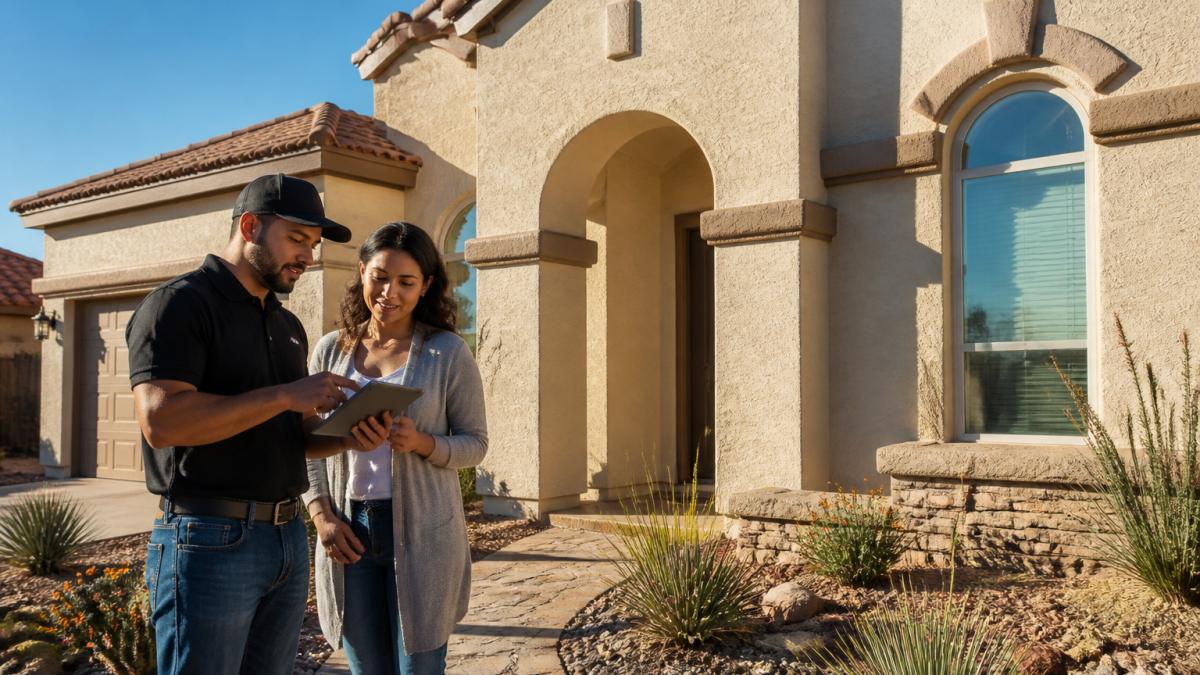
Stucco is the default exterior across the Southwest, and for good reason. This cement-based finish handles intense heat, resists UV degradation, and its thick, seamless surface leaves dust with nowhere to collect. It’s also energy-efficient: the mass of a stucco wall slows heat transfer, which helps keep interiors cooler during El Paso’s long summers.
Pros:
- Excellent heat and UV resistance
- Energy-efficient thermal mass
- Seamless finish with no panels to warp or rattle
- Long service life when properly installed and sealed
Cons:
- Cracks can develop as the home settles; hairline cracks need periodic sealing
- Installation requires real skill, and a poor stucco job fails fast in desert sun
- Repairs are visible if the color mix doesn’t match
What most guides miss: stucco’s performance depends almost entirely on the installer. The material itself is proven here; sloppy flashing and curing are what cause the failures homeowners blame on stucco. For El Paso homeowners, this is the regional standard, and a properly maintained stucco exterior can outlast nearly every alternative.
Fiber Cement Siding: Heat and UV Resistance That Lasts
Fiber cement siding is a composite exterior material made from cement, sand, and cellulose fibers, engineered to resist heat, moisture, and UV exposure. Consumer Reports lists it among the primary residential siding options, and the supplied climate guidance identifies it as both heat- and UV-resistant and non-combustible, two qualities that matter in a fire-prone desert region.
Pros:
- Holds up to heat and UV rays without warping
- Non-combustible
- Takes paint well and holds it longer than wood
- Thicker profile than vinyl, so it looks more like real wood
Cons:
- Heavier than vinyl, so installation is more labor-intensive
- Needs repainting over time to maintain appearance
- Product-specific pricing and warranty terms vary widely, so verify before you buy
Fiber cement is often the best pick for homeowners who want a wood look without wood’s maintenance burden. Ask your contractor about factory-primed versus field-painted boards; the factory finish typically holds up better in desert sun.
Stucco vs. Fiber Cement Siding: Which Fits Your Home?
Both stucco and fiber cement are strong performers in El Paso, but they suit different homes. Stucco gives you a seamless, masonry look that fits Southwestern architecture and adds thermal mass. Fiber cement gives you a plank-style exterior with excellent heat and UV resistance and a non-combustible profile.
| Factor | Stucco | Fiber Cement |
|---|---|---|
| Best for | Southwestern and modern styles | Wood-look exteriors |
| Heat and UV resistance | Excellent | Excellent |
| Look | Seamless, textured | Individual planks |
| Maintenance | Periodic crack sealing | Repainting over time |
| Installation | Highly skill-dependent | Labor-intensive, straightforward |
If you own a stucco home and want to keep the look, staying with stucco is usually the right call. If you want a wood appearance without wood’s upkeep, fiber cement is the better fit. Either way, the quality of the installation decides how long the exterior lasts.
Vinyl Siding: Budget-Friendly but Does It Warp in Heat?
Vinyl siding is the most affordable option on this list, and it’s widely available in different colors and textures. The supplied cost comparison characterizes it as budget-friendly, which makes it attractive for homeowners watching their budget. The catch in El Paso is heat. Vinyl softens as temperatures climb, and dark colors absorb more heat, so warping and fading are real concerns in full desert sun.
Pros:
- Lowest upfront cost of the common siding types
- Wide range of colors and textures
- Easy to clean with a garden hose
Cons:
- Can warp or fade under sustained high heat, especially in dark colors
- Not as rigid or impact-resistant as fiber cement
- Local heat performance varies by product, so verify specs before committing
If vinyl is your choice, stick to lighter colors and confirm the product’s temperature rating. For a home facing west with no shade, stucco or fiber cement are often better choices.
Metal Siding: A Durable Option for Hot Climates
Metal siding is a broad category that Home Depot lists among the popular siding types, and it holds up well against heat and sun. Steel and aluminum panels reflect solar radiation, resist warping, and shed dust easily. Seamless steel siding is one variant worth comparing, since fewer seams mean fewer places for dust and moisture to collect.
Pros:
- Reflective surface helps reduce heat gain
- Doesn’t warp, crack, or rot
- Low maintenance and long service life
Cons:
- Can dent from impacts
- Metal type and finish vary widely, and the supplied research doesn’t verify specific heat performance for every product
- Higher upfront cost than vinyl
Metal is a strong choice for hot climates, but it isn’t for every architectural style. It works best on modern and industrial designs, and it pairs well with energy-efficiency upgrades.
Low-Maintenance Exterior Siding Options for Desert Living
The best low-maintenance exterior siding for desert living is stucco or metal, with fiber cement close behind. All three resist heat and UV damage, don’t rot, and need far less upkeep than wood. Wood siding is the traditional option, but the supplied guidance notes that cedar maintenance can be costly, and in El Paso’s sun, wood demands regular sealing and repainting.
For homeowners who want to minimize upkeep, here’s how the low-maintenance options rank:
- Metal: Almost no routine maintenance beyond occasional cleaning
- Stucco: Periodic crack sealing and resealing, otherwise hands-off
- Fiber cement: Repainting every several years, but no rot or pest issues
- Vinyl: Easy to clean, though heat-related wear may shorten its life
If you’re searching for low-maintenance exterior siding near me in the El Paso area, focus on how each material handles sun and dust, not just the upfront price.
Siding Replacement Cost in El Paso: What Affects Your Investment
Siding replacement cost in El Paso depends on material choice, home size, accessibility, and whether old siding needs removal and disposal. Vinyl typically carries the lowest material cost, while stucco and fiber cement cost more because they demand skilled labor. Metal pricing varies by the type of metal and finish you select.
The biggest cost drivers are:
- Material: Vinyl sits at the low end; stucco, fiber cement, and metal cost more
- Labor: Stucco and fiber cement require experienced installers
- Home layout: Two-story walls, tight lots, and complex rooflines add labor time
- Prep work: Removing old siding, repairing sheathing, and addressing water damage add cost
- Extras: Insulation, trim, and flashing upgrades raise the total
Because pricing depends on your specific home, we recommend getting a written estimate rather than relying on national averages. MAK Roofing & Construction offers bank financing options to spread the cost, and our team handles stucco services and exterior work from start to finish.
The most common mistake is choosing a material on price alone. A cheap vinyl job that warps in two summers can cost more than a stucco or fiber cement exterior that lasts decades. Match the material to your home’s sun exposure first, then compare quotes.
Choosing the right exterior for a desert climate is a long-term decision, and getting it wrong means paying twice. MAK Roofing & Construction has spent over 16 years helping El Paso homeowners match siding materials to our specific climate, with custom-designed solutions, superior materials, and professional installation backed by comprehensive project management. We also offer bank financing options to make the investment manageable. Get started with MAK Roofing & Construction and protect your home with an exterior built for El Paso weather.
Frequently Asked Questions
What is the best siding material for hot, dry climates like El Paso?
Stucco and fiber cement siding are the top performers for hot, dry climates. Stucco handles intense sun and temperature swings well, while fiber cement resists heat, UV rays, and is non-combustible. Vinyl can work on a budget but may warp in extreme heat. Metal is durable but can get hot. The right pick depends on your home’s style, budget, and how much maintenance you want.
Does vinyl siding warp in hot weather?
Vinyl siding can warp when temperatures climb above 100°F, especially on south- and west-facing walls with direct sun exposure. El Paso summers regularly exceed that. Lower-grade vinyl is more prone to buckling and fading. If you choose vinyl, look for thicker panels rated for high-heat areas and make sure it is installed with room for expansion. Otherwise, stucco or fiber cement is a safer bet.
How does stucco compare with fiber cement siding in El Paso?
Stucco is a cement-based finish applied in layers and is common on El Paso homes. It handles heat well and offers a seamless look, but it can crack as the ground shifts. Fiber cement comes in boards and panels, resists UV and heat, and is non-combustible. Both are solid options.
How much does it cost to replace siding in El Paso, Texas?
Siding replacement cost in El Paso depends on material, square footage, removal of old siding, and whether repairs to the sheathing are needed. Vinyl has a lower starting cost, while stucco and fiber cement sit higher because of material and labor. Because pricing varies by project scope and material availability, request a detailed quote from a local contractor. MAK Roofing & Construction offers free estimates and can walk you through options.
Can new siding help keep my home cooler in El Paso?
Yes. Materials like stucco and fiber cement provide better insulation than thin vinyl, helping reduce heat transfer through exterior walls. Reflective or light-colored finishes also lower surface temperatures. Combined with proper attic insulation and ventilation, new siding can ease the load on your AC during El Paso summers. The exact savings depend on your home’s current insulation, window efficiency, and sun exposure.