

- BY
- POSTED IN Uncategorized
- WITH 0 COMMENTS
- PERMALINK
- STANDARD POST TYPE
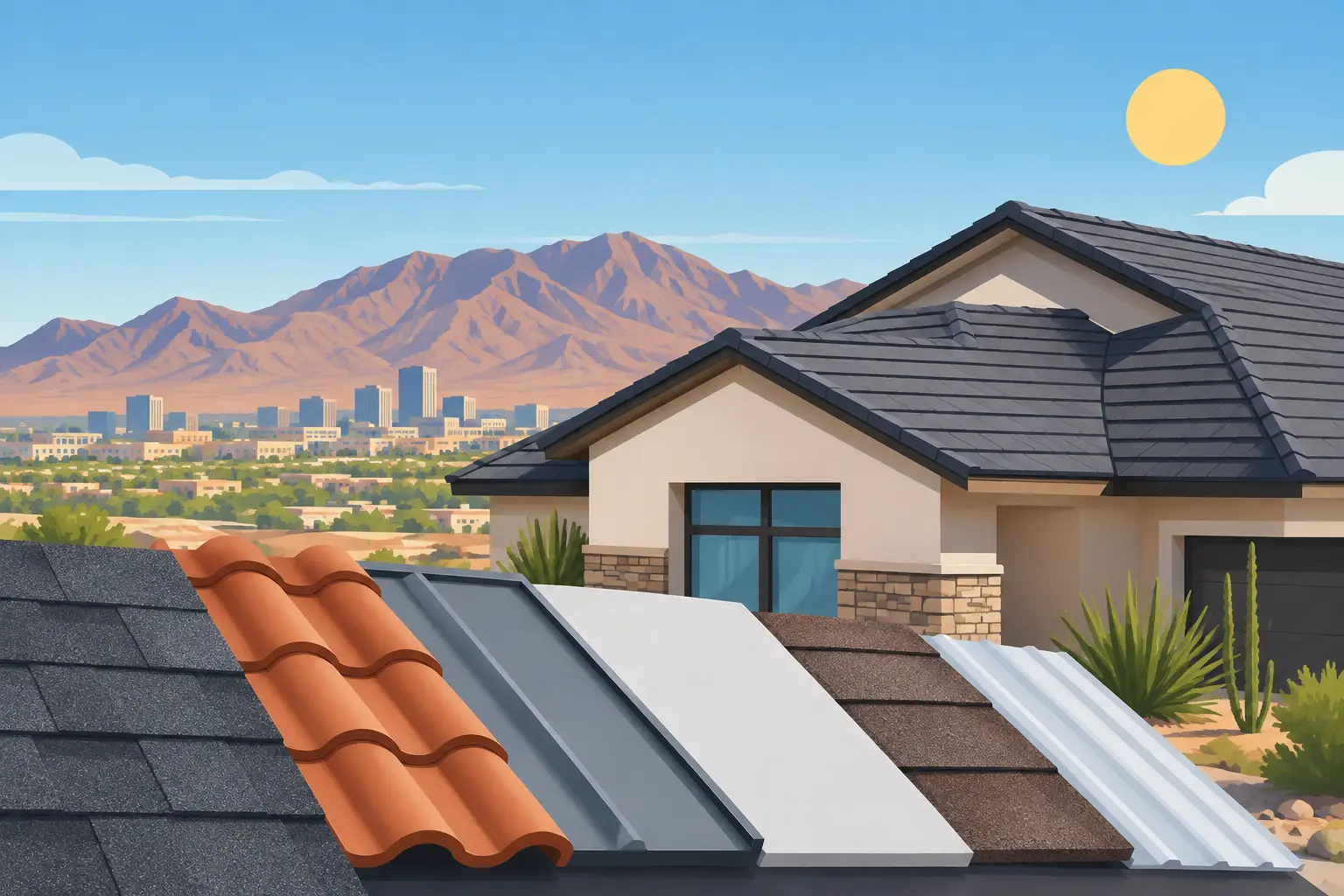
El Paso roofs do more than keep out rain. They stand up to intense sun, sharp temperature swings, high winds, blowing dust, and the occasional hard storm. That is why the best roofing materials are not simply the ones with the longest advertised lifespan. The right choice has to fit your building, roof slope, budget, insulation needs, and plans for the property.
A material that performs well on a steep-slope home may be a poor fit for a low-slope commercial building. Likewise, a lower upfront price can become expensive if the roof needs frequent repairs or does little to control heat gain. A professional evaluation helps match the roofing system to the conditions it will actually face.
Best Roofing Materials for El Paso Homes and Buildings
For most local properties, asphalt shingles, tile, metal, TPO, modified bitumen, spray foam, and roof coatings deserve serious consideration. Each has a place. The best system depends on whether the roof is sloped or flat, how much direct sun it receives, its drainage design, and whether it is residential or commercial.
Asphalt Shingles: A Practical Residential Choice
Asphalt shingles remain one of the most common roofing options for homes because they offer a balanced combination of cost, appearance, and dependable weather protection. They are available in many colors and profiles, making them a flexible choice for traditional homes, rental properties, and real estate transactions where curb appeal matters.
For El Paso homeowners, quality installation is just as important as the shingle itself. Proper underlayment, flashing, ventilation, and edge protection help the system handle wind-driven rain and daily heat exposure. Architectural shingles generally offer a more dimensional appearance and stronger performance than basic three-tab options.
Shingles are often a good fit when a homeowner wants a proven roof replacement without the higher initial cost of tile or metal. Their trade-off is lifespan. They typically do not last as long as premium materials, especially when extreme sun and neglected maintenance take their toll.
Tile Roofing: Long-Term Value and Southwest Style
Tile roofing is a natural fit for many El Paso homes. Clay and concrete tile complement Southwest architecture, provide a distinctive finished look, and can offer a long service life when the roof structure and underlayment are properly designed.
The tile itself is highly durable, but the complete system still needs attention. Underlayment, flashings, penetrations, and valleys do much of the work of keeping water out. Individual tiles can crack from impact or foot traffic, so repairs should be handled carefully by crews experienced with tile systems.
Tile is heavier than shingles, which means the structure must be able to support it. It also carries a higher upfront investment. For homeowners planning to stay in the property for many years, however, tile can provide strong visual value and long-term protection.
Metal Roofing: Durable Protection With Energy Benefits
Metal roofing is increasingly popular for homeowners and property owners who want a long-lasting, low-maintenance roof. Standing seam metal panels and quality metal systems can withstand strong sun, wind, and changing temperatures better than many conventional materials.
A properly selected metal roof can reflect a significant amount of solar heat, helping reduce heat transfer into the building. Color, panel finish, insulation, and attic ventilation all affect energy performance, so the material should be considered as part of the entire roofing assembly.
Metal costs more upfront than most shingle roofs, and installation details matter greatly around penetrations, transitions, and fasteners. Still, its durability, clean appearance, and potential energy savings make it a strong option for both homes and certain commercial properties.
Best Roofing Materials for Flat and Low-Slope Roofs
Flat roofs are not truly flat. They need positive drainage and a membrane or coating system that can handle standing water risks, ultraviolet exposure, and expansion from daily temperature changes. A steep-slope material such as standard shingles is not the answer for these roof designs.
TPO Roofing for Commercial Properties
TPO is a single-ply membrane commonly used on commercial buildings and larger low-slope roofs. Its light-colored surface reflects sunlight, which can help control rooftop temperatures and reduce the strain on cooling systems.
TPO is a practical choice for office buildings, retail spaces, warehouses, and multifamily properties when installed over a properly prepared substrate. Seams, drains, edge details, and penetrations need professional attention because these areas are where leaks often begin. Routine inspections help identify problems before water reaches insulation, ceilings, or business operations.
Modified Bitumen for Proven Low-Slope Performance
Modified bitumen is a time-tested roofing system for flat and low-slope applications. It is built in layers and can provide durable protection where a building needs a dependable membrane system with strong puncture resistance.
This option works well for many commercial roofs and residential low-slope sections, including additions, patios, and porch roofs. It may not offer the same highly reflective finish as a white TPO membrane unless paired with a reflective coating, but it remains a reliable choice when the roof design and budget call for it.
Spray Foam Roofing: Insulation and Waterproofing Together
Spray polyurethane foam roofing creates a continuous insulated surface across a low-slope roof. Because it conforms to the roof deck, it can reduce air leakage and eliminate many seams found in traditional membrane systems. It is then protected with a coating designed to resist sunlight and weather.
For buildings dealing with high cooling demands, spray foam can be especially appealing because it combines insulation and roofing in one system. It can also be applied over certain existing roofs, reducing tear-off in appropriate situations.
Its performance depends on skilled application and ongoing coating maintenance. Foam roofing is not a set-it-and-forget-it system. The protective coating must be inspected and renewed as needed to protect the foam from UV exposure.
Roof Coatings: Smart When the Existing Roof Qualifies
A roof coating can extend the service life of an existing low-slope roof, but only when the underlying roof is structurally sound and dry. Coatings are not a shortcut for a roof with saturated insulation, major membrane failure, or widespread deterioration.
Reflective coatings can help reduce surface temperatures while sealing minor vulnerabilities in an eligible roof system. They are often a cost-conscious option for commercial property owners who need to protect an asset, manage maintenance costs, and postpone a full replacement without ignoring the condition of the roof.
How to Choose the Right Roof for Your Property
Start with the roof’s design. Steep-slope roofs generally point toward shingles, tile, or metal, while flat and low-slope roofs need systems such as TPO, modified bitumen, spray foam, or coatings. Next, consider how long you expect to own the property. A short-term repair strategy and a long-term investment strategy are not the same.
Energy efficiency should also be part of the conversation. Roofing affects heat gain, but insulation, ventilation, roof color, and the condition of the building envelope matter too. A reflective roof may help lower cooling loads, yet it cannot solve every comfort issue if attic insulation or exterior construction is failing.
Finally, do not choose based on material price alone. Ask about tear-off requirements, deck repairs, drainage corrections, flashing, manufacturer warranties, maintenance needs, and the experience of the installation crew. A well-installed roofing system with the right details is worth more than a premium product installed without proper preparation.
MAK Roofing & Construction helps El Paso property owners evaluate roof condition, select climate-appropriate systems, and manage repairs or replacements under one accountable team. Whether the need is a residential shingle replacement, tile repair, commercial TPO installation, or a coating evaluation, the goal is the same: protect the property with work that makes sense for the building.
The right roof should give you confidence when the sun is relentless, the wind picks up, and the next storm moves through. Schedule an inspection before a small concern becomes interior damage, and make your material decision with the full condition of the roof in view.