

- BY
- POSTED IN Blog
- WITH 0 COMMENTS
- PERMALINK
- STANDARD POST TYPE

Table of Contents
- Does Homeowners Insurance Cover Wind Damaged Shingles?
- What Coverage Applies and What Doesn’t
- Roof Inspection After Wind Damage: What to Look For
- Roof Insurance Claim Documentation You’ll Need
- How to File a Roof Insurance Claim for Wind Damage
- Wind Damaged Shingles Repair: Next Steps After Approval
- Preventing Future Wind Damage to Your Roof
- Frequently Asked Questions
Last Updated: October 20, 2026
Does Homeowners Insurance Cover Wind Damaged Shingles?
Wind damage to your roof is one of the most common claims homeowners file. The question of whether does homeowners insurance cover wind damaged shingles matters because the answer directly affects your repair costs and timeline. At MAK Roofing & Construction, we help El Paso homeowners navigate this process every season.
Most standard homeowners insurance policies do cover wind damage to shingles. However, coverage depends on several factors: your specific policy, your deductible, the cause of the damage, and whether you’ve maintained your roof properly. Understanding these details now prevents surprises when you need to file a claim.
The difference between what’s covered and what isn’t can mean thousands of dollars out of your pocket. A single claim denied or partially covered can leave your roof exposed to further damage. This guide walks you through exactly what your policy likely covers, how to document damage, and what steps to take after wind damage occurs.
What Coverage Applies and What Doesn’t
Standard homeowners insurance typically covers sudden wind damage to shingles as part of your dwelling coverage. This includes missing shingles, torn shingles, and granule loss caused by high winds. The key word here is “sudden”, your policy covers damage that happens unexpectedly, not gradual deterioration.
What’s usually NOT covered:
- Damage from lack of maintenance (your roof was already in poor condition)
- Damage from normal wear and tear or age
- Damage from poor installation or defective materials
- Damage from storms you didn’t report promptly
- Damage to shingles that were already damaged before the wind event
Your deductible plays a major role. If your deductible is $1,000 and wind damage costs $2,500 to repair, your insurance pays $1,500. You pay the rest. Some policies have separate wind deductibles that are higher than your standard deductible, especially in areas prone to hurricanes or severe storms.
If you delay reporting wind damage, your insurer may deny the claim. Document damage immediately with photos and contact your insurance company within days of the storm, not weeks later.
El Paso experiences significant wind events, particularly during spring and monsoon seasons. Wind speeds exceeding 50 mph can lift and tear shingles. Insurance companies understand this local risk, but they expect you to maintain your roof and report damage quickly.
Roof Inspection After Wind Damage: What to Look For
After a wind event in El Paso, inspect your roof from the ground first. Use binoculars to look for obvious signs of damage. Never climb onto your roof yourself, it’s dangerous and unnecessary for initial assessment.
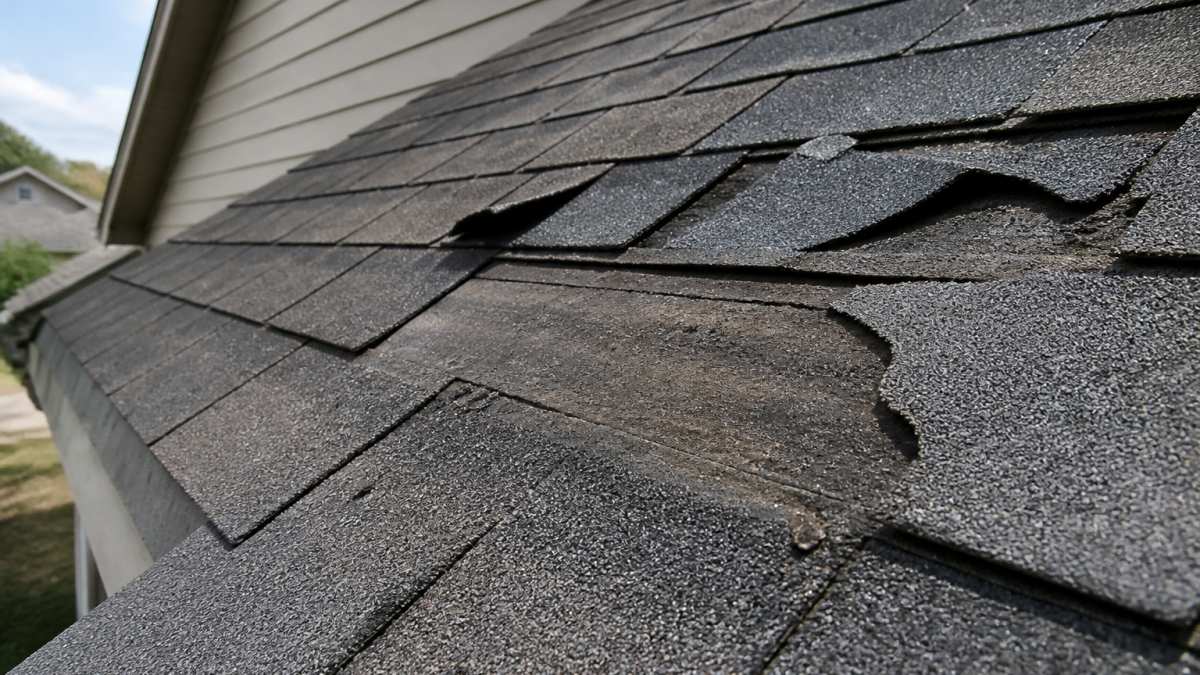
Signs of wind damage to shingles include:
- Missing or partially missing shingles
- Shingles that curl, buckle, or lift at the edges
- Visible granule loss (shingles look bald or discolored)
- Exposed underlayment or wood
- Shingles that are cracked or torn
- Debris in your gutters or yard from roof damage
Check these areas first:
- Roof peaks and ridges (wind hits these hardest)
- South and west-facing slopes (typically more exposed)
- Areas around vents, chimneys, and skylights
- Corners and edges of your roof
If you see damage, take clear photos from the ground. Include wide shots showing the damaged area and close-ups of specific shingles. Include your house address or a recognizable landmark in at least one photo. These photos become critical evidence for your insurance claim.
Take photos in good lighting, ideally within 24 hours of the storm. Overcast days work better than bright sun, which creates harsh shadows. Shoot from multiple angles to show the extent of damage clearly.
After you photograph the damage, contact your preferred contractor for a professional inspection. A licensed roofer can identify damage you might miss and provide a detailed estimate. Insurance companies often require this professional assessment before approving claims.
Roof Insurance Claim Documentation You’ll Need
Your insurance company will ask for specific documents before processing your claim. Gathering these now speeds up the entire process and strengthens your case.
Required documentation typically includes:
- Your policy number and coverage details
- Photos of the damage (wide shots and close-ups)
- Photos of the surrounding area showing the weather event’s impact
- A written description of when the damage occurred and how you discovered it
- Your contractor’s written estimate for repairs
- Proof of the weather event (news reports, weather service data)
- Any prior roof inspection reports or maintenance records
Your contractor’s estimate is especially important. Insurance adjusters trust detailed, itemized estimates from licensed professionals. The estimate should list:
- Specific areas of damage and repair needed
- Materials required (shingle type, quantity, flashing, underlayment)
- Labor costs
- Removal and disposal of old materials
- Timeline for completion
Keep copies of everything. Store one set with your insurance documents and another in a separate location. If your claim gets denied or partially approved, you’ll need these documents to appeal.
The stronger your documentation, the faster your claim processes. Professional photos, a detailed contractor estimate, and clear timeline of events make denials less likely.
How to File a Roof Insurance Claim for Wind Damage
Filing a claim for wind-damaged shingles involves clear steps. Start immediately after discovering damage, ideally within 24 to 48 hours of the storm.
Step 1: Document Everything
Take photos and videos of all damage. Capture wide shots showing your entire roof and close-ups of individual damaged shingles. Include photos of debris in your yard or gutters. Document the date and time you took each photo.
Step 2: Contact Your Insurance Company
Call your insurance agent or the claims number on your policy. Report the damage and the date it occurred. The representative will ask questions about the storm and damage. Answer honestly and provide the information you’ve gathered.
Step 3: Get a Professional Inspection
Schedule an inspection with a licensed roofing contractor in El Paso. Many contractors work directly with insurance companies and understand what adjusters need to see.
Step 4: Submit Your Claim
Provide your insurance company with:
- Your written claim form (your agent provides this)
- All photos and videos you took
- The professional contractor’s estimate
- Any supporting documentation
Step 5: Work with the Adjuster
Your insurance company will send an adjuster to inspect the damage. They’ll verify the damage is covered under your policy and determine the payout amount. The adjuster may request additional documentation or clarification.
Step 6: Review the Estimate
Once the adjuster approves the claim, you’ll receive a check or payment authorization. Review the amount carefully. If it doesn’t match your contractor’s estimate, ask why. You can appeal if you believe the payout is too low.
Step 7: Schedule Repairs
Once you have insurance approval and payment, schedule repairs with your contractor. Most roofing companies in El Paso can start within 1-2 weeks during non-peak seasons.
Don’t make permanent repairs before the insurance adjuster inspects the damage. If you repair too quickly, the adjuster may deny the claim, saying they can’t verify the damage.
Wind Damaged Shingles Repair: Next Steps After Approval
After your insurance company approves your claim, the repair process begins. Work with a licensed contractor who understands El Paso’s specific weather challenges and building codes.
The repair process typically includes:
- Removing damaged shingles and any deteriorated underlayment
- Inspecting the roof deck for hidden damage
- Installing new underlayment if needed
- Installing new shingles that match your existing roof (or upgrading all shingles if recommended)
- Replacing flashing around vents, chimneys, and skylights
- Cleaning up all debris and old materials
- Final inspection to ensure quality installation
Quality matters here. Cheap repairs fail quickly in El Paso’s harsh sun and wind. MAK Roofing & Construction uses top-tier materials with professional craftsmanship to ensure your property is durable, energy-efficient, and perfectly tailored to your needs. This investment protects your home for 15-25 years, depending on materials chosen.
Ask your contractor about upgrades. If your insurance covers basic repairs, you might choose to upgrade to impact-resistant shingles or better underlayment for additional protection. These upgrades cost more upfront but save money on future claims and energy bills.
After repairs are complete, ask your contractor for a detailed invoice and warranty information. Keep this documentation with your insurance records for future reference.
Preventing Future Wind Damage to Your Roof
Wind damage prevention starts with proper maintenance and smart material choices. El Paso’s climate demands proactive care.
Maintenance steps to reduce wind damage risk:
- Inspect your roof twice yearly (spring and fall)
- Remove debris from gutters and roof valleys
- Trim tree branches hanging over your roof
- Replace any missing or damaged shingles immediately
- Check and repair flashing around vents and chimneys
- Ensure proper ventilation in your attic
Material upgrades that reduce wind damage:
- Impact-resistant shingles (rated for high winds)
- Reinforced roof decking
- Upgraded underlayment with better wind resistance
- Metal flashing instead of aluminum
- Proper roof-to-wall connections with hurricane straps
When you’re ready to replace your roof, consider these options. Impact-resistant shingles cost more initially but may lower your insurance premiums and withstand stronger winds.
Work with a contractor who understands your local wind patterns. MAK Roofing & Construction designs custom roofing systems specifically for El Paso’s climate.
| Prevention Step | Frequency | Impact on Claims |
|---|---|---|
| Gutter cleaning | Twice yearly | Prevents water damage claims |
| Roof inspection | Twice yearly | Catches damage early |
| Branch trimming | Annually | Prevents impact damage |
| Flashing repairs | As needed | Prevents leak claims |
| Shingle replacement | As needed | Maintains coverage validity |
Wind-damaged shingles are covered by most homeowners insurance policies, but only if you act quickly and document thoroughly. The process, from storm to repair, takes 2-4 weeks when you follow these steps correctly. Contact MAK Roofing & Construction for a professional inspection and detailed estimate. Our 16 years of experience in El Paso means we know exactly what insurance companies need to see and how to get your claim approved faster. The National Association of Insurance Commissioners provides consumer guidance on homeowners coverage to help you understand your policy better. We’ll handle the inspection, documentation, and repairs so you can focus on your family’s safety. Get your video estimate from MAK Roofing & Construction today and protect your home from future wind damage.
Frequently Asked Questions
Does homeowners insurance cover wind-damaged shingles?
Most standard homeowners insurance policies cover wind damage to shingles, but coverage depends on your specific policy and deductible. Wind is considered a covered peril in most states, including Texas. However, damage from wear and tear, lack of maintenance, or gradual deterioration typically isn’t covered. Review your policy documents or contact your agent to confirm your coverage limits and any exclusions that might apply to your roof.
How long do I have to file a roof damage insurance claim in Texas?
Texas law generally requires homeowners to file insurance claims within a reasonable timeframe, though specific deadlines vary by insurer and policy. Most insurers expect claims to be filed within one to three years of the damage occurring. After a wind event, it’s best to file your claim as soon as possible to avoid disputes about when the damage occurred or whether it resulted from the covered event rather than pre-existing conditions.
What documentation do I need for a roof insurance claim?
You’ll need photos and videos of the damage, your insurance policy details, proof of the weather event (weather reports or news coverage), repair estimates from contractors, proof of home ownership, and any previous repair or maintenance records. Your adjuster may also require access to inspect the roof in person. Detailed documentation strengthens your claim and helps prevent delays or denials.
Can an insurance company deny a claim for missing shingles?
An insurer can deny a claim if they determine the missing shingles resulted from wear and tear, poor maintenance, or a non-covered cause rather than a sudden wind event. They may also deny claims if you fail to file within the policy’s timeframe or if your policy has specific exclusions. If your claim is denied, you have the right to appeal with additional evidence or request an independent inspection.