

- BY adminMak
- POSTED IN Blog
- WITH 0 COMMENTS
- PERMALINK
- STANDARD POST TYPE
Last Updated: November 11, 2026
Quick Summary
A commercial TPO contractor installs, repairs, and replaces thermoplastic polyolefin roofs on flat and low-slope commercial buildings, with most of the work in drainage, flashing, and heat-welded seams. Vet candidates by checking insurance, manufacturer authorization, and comparable references, then compare written bids with the same scope.
- Ask for insurance certificates naming the building owner as additional insured.
- Confirm the contractor is authorized by the membrane manufacturer so the warranty can be registered.
- Require a seam-test log and ask whether the crew probes every weld during the job.
- Compare bids on membrane thickness, insulation R-value, and tear-off scope, not just the total price.
- Request a written scope that covers flashing, warranty terms, timeline, and payment schedule before signing.
Table of Contents
- What a Commercial TPO Contractor Actually Does
- TPO Roofing Installation: What Happens From Tear-Off to Welded Seams
- Commercial TPO Roofing Cost: What Drives the Price
- TPO vs. EPDM Roofing for El Paso Commercial Buildings
- How to Vet a Commercial TPO Contractor and Compare Bids
- Commercial Roofing Estimate Checklist: What a Written Scope Should Include
- Booking Your Commercial TPO Estimate With MAK Roofing & Construction
- Frequently Asked Questions
What a Commercial TPO Contractor Actually Does
A commercial TPO contractor installs, repairs, and replaces thermoplastic polyolefin roofing systems on flat and low-slope commercial buildings. TPO is a single-ply membrane, usually white, that is heat-welded at the seams. Most of the work is in the details: drainage, flashing, and seam integrity, not the membrane itself.
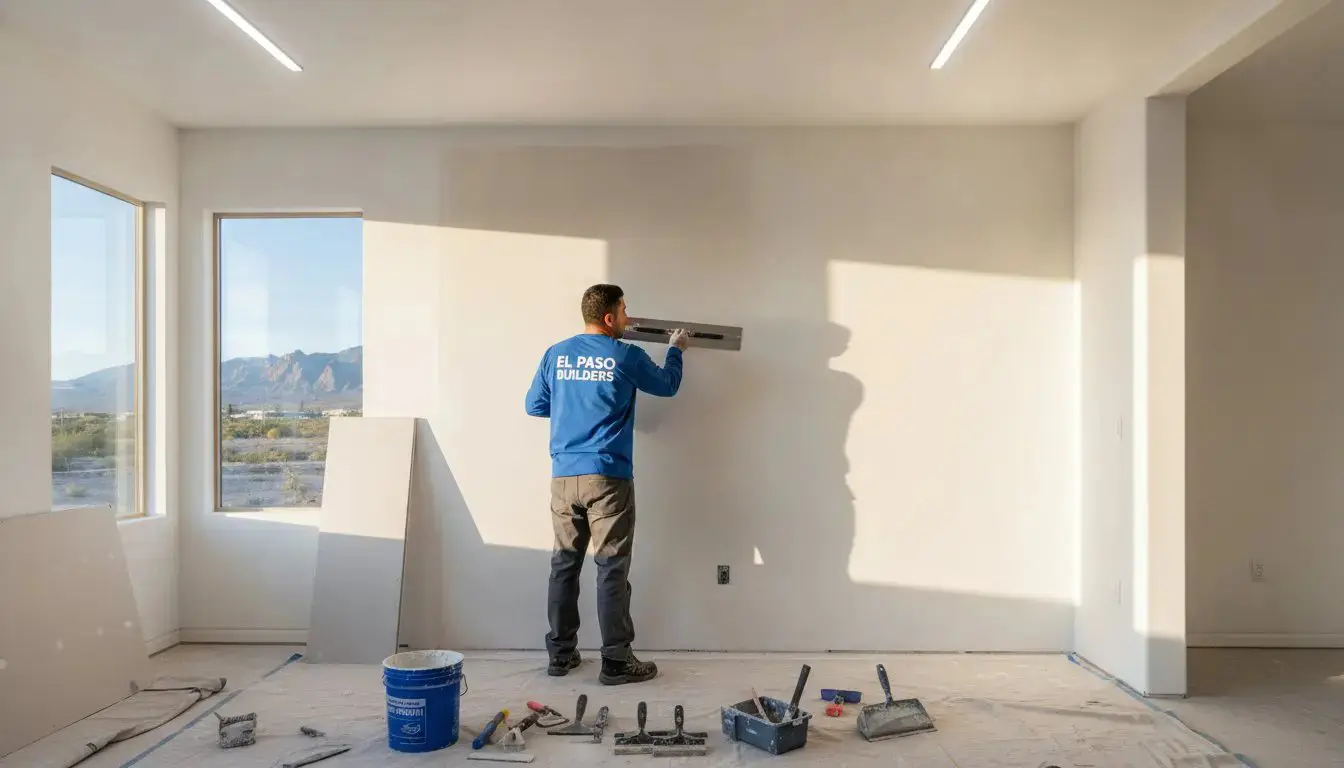
Many property owners assume any roofer can handle a commercial job. That assumption often costs them. Commercial work requires familiarity with building codes, rooftop equipment, and large-scale project scheduling.
A commercial TPO contractor typically handles:
- Assessment: Inspecting the existing roof, including moisture and infrared scans where appropriate
- Installation: New membrane systems over new or existing decks
- Repair: Patching punctures, reseaming failed joints, and replacing damaged flashing
- Replacement: Full tear-off and reinstallation when a roof has reached the end of its service life
For a building owner in El Paso, the contractor’s local experience matters. Sun exposure and wide daily temperature swings place real stress on membranes, so a contractor who understands regional conditions can recommend suitable materials and installation methods.
TPO Roofing Installation: What Happens From Tear-Off to Welded Seams
A TPO installation usually moves through a predictable sequence. Knowing the steps helps you judge whether a contractor is cutting corners.
First, the crew removes the old roofing system if replacement is planned, then inspects and repairs the deck. Wet or damaged insulation must come out, because trapped moisture causes blisters and leaks later. Next, new insulation is laid and fastened, usually with a slope toward drains.
The membrane comes next. Sheets are unrolled, positioned with overlap, and fastened or adhered. The seams are then hot-air welded, which fuses the membrane layers into a single continuous surface. Weld quality is a critical factor in long-term performance.
A reliable contractor will:
- Probe welds with a tool to confirm they are fully bonded
- Document seam testing during the job
- Install flashing at walls, curbs, and penetrations
- Clean the surface and check drainage before finishing
Watch out: Ask whether the crew uses a seam probe during the job. A contractor who only checks welds visually is more likely to leave weak seams that fail after the first storm.
Commercial TPO Roofing Cost: What Drives the Price
TPO pricing is not a single number. It is the sum of several decisions, and two bids for the same square footage can differ by thousands of dollars because of what each contractor includes. Understanding the variables lets you compare bids on equal terms instead of on the bottom line alone.
The main cost drivers on a commercial TPO project are:
- Roof area and geometry. A simple rectangular deck costs less per square foot than a roof cut up by penthouses, skylights, and dozens of penetrations. Every curb and pipe boot adds flashing labor.
- Membrane thickness. Thicker membrane generally costs more per square foot, and the right thickness depends on the building’s use and exposure.
- Insulation and R-value. Insulation type (polyiso, EPS, XPS) and thickness drive both material cost and energy performance.
- Tear-off versus overlay. Full tear-off adds disposal cost and deck inspection time. An overlay can save money but only if the existing substrate is sound and local code allows it.
- Access and staging. A downtown El Paso building with limited parking, a crane lift, or a roof accessible only through an interior stairwell costs more to service than a suburban warehouse with ground-level staging.
- Warranty level. Warranty terms vary by manufacturer and contractor, so review the coverage terms and maintenance requirements in writing.
- Season and schedule. Summer heat in El Paso affects adhesive and weld windows, and compressed schedules can require overtime or additional crews.
A common pattern in bid comparisons is that the lowest number omits one of these line items. Ask each contractor to break the bid into labor, material, insulation, tear-off/disposal, and warranty so the scopes line up.
Lifecycle cost matters as much as first cost. Ask each bidder to compare membrane thickness, warranty length, and maintenance requirements over the expected service life. Ask each bidder to state the expected service life and the maintenance schedule the warranty requires.
Watch out: A bid that quotes a per-square-foot price without stating membrane thickness, insulation R-value, and tear-off scope is not comparable to a detailed bid, no matter how the totals look side by side.
For a current estimate on your building, request a written quote based on your roof’s actual condition, size, and access.
TPO vs. EPDM Roofing for El Paso Commercial Buildings
TPO and EPDM are the two most common single-ply membranes on commercial flat roofs. TPO is a thermoplastic with a white, reflective surface and heat-welded seams. EPDM is a synthetic rubber membrane, usually black, typically joined with adhesive or tape.
For El Paso buildings, the difference matters. A white TPO surface reflects more solar energy than a black EPDM surface, which can lower cooling loads during the long summer months. EPDM can perform well and remains a solid choice for some buildings, especially where a black surface is acceptable and the installer is experienced with adhered seams.
Neither material is universally better. Choose based on the building’s use, budget, the contractor’s experience, and the roof’s exposure. Our team can walk through both options for your specific structure.
How to Vet a Commercial TPO Contractor and Compare Bids
Choosing a contractor is the decision that determines whether your roof lasts. A few checks will separate qualified firms from the rest, and they take less time than a failed roof.
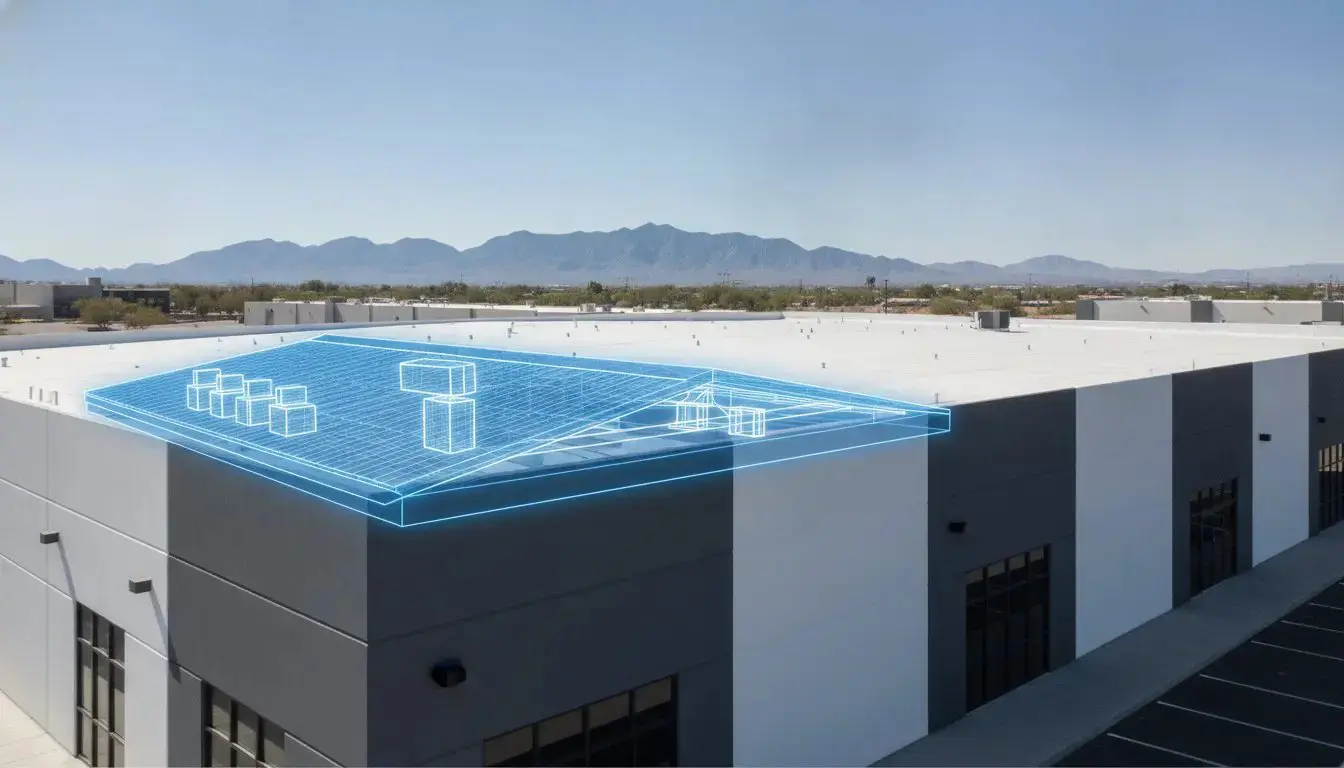
Documentation to request before awarding the job:
- Insurance certificates. Ask for a current certificate of general liability and workers’ compensation insurance, with your building owner or property manager named as additional insured. Verify the limits are adequate for a commercial project, not a residential policy.
- Licensing and registration. Verify the firm’s business registration, any applicable local permits, and whether the crew is employees or subcontractors.
- Manufacturer authorization. TPO membrane manufacturers authorize contractors to install their systems and to offer their warranties. Ask which manufacturer authorizes the contractor and whether the crew has completed the manufacturer’s training. An unauthorized installer may not be able to register the warranty you were promised.
- References from comparable projects. Ask for references on commercial TPO jobs of similar size and building type in the El Paso area, and call them. Ask how the roof has performed through summer heat and monsoon-season rain.
- Safety record and crew supervision. Ask who supervises on site and whether the supervisor is a full-time employee. A crew that changes from job to job is harder to hold accountable.
Questions that reveal how the crew actually works:
- How many commercial TPO installations have you completed in the last three years?
- Do you probe every seam, and how do you document it? (Ask to see a sample seam-test log.)
- What is your process for flashing walls, curbs, drains, and penetrations?
- What warranty do you offer, and is it backed by the manufacturer or only by your company?
- What is your plan for weather delays, building access, and tenant coordination?
- Who pulls the permits, and who handles inspection sign-off?
Comparing bids side by side. Put each bid into the same table so gaps are visible. A table makes omissions easy to spot.
| Bid Item | What to Confirm |
|---|---|
| Scope | Tear-off or overlay, deck repair included, square footage stated |
| Materials | Membrane thickness (mil), insulation type and R-value, fastener type |
| Warranty | Duration, manufacturer backing, NDL or material-only, maintenance requirements |
| Timeline | Start date, duration, weather contingency, tenant coordination |
| Cleanup | Disposal of old materials included, dumpster placement |
| Payment | Schedule tied to milestones, lien waiver process |
Red flags in a bid or interview:
- A per-square-foot price with no membrane thickness or insulation R-value stated
- A warranty described only as “our warranty” with no manufacturer documentation
- No additional-insured certificate or a certificate that names a different entity
- A scope that omits tear-off, deck repair, or drainage work without explaining why
- Pressure to sign before you have compared at least two detailed bids
Pros of a well-vetted contractor include fewer change orders, a warranty that is actually registered, and a roof that performs through El Paso summers. Cons of rushing the choice include surprise costs, unregistered warranties, and a shorter roof life.
Watch out: A contractor who cannot produce a manufacturer authorization letter and a sample seam-test log is asking you to trust verbal assurances over documented process.
Commercial Roofing Estimate Checklist: What a Written Scope Should Include
A written scope protects you once work begins. Verbal promises are hard to enforce. Before you sign, confirm the estimate covers the following:
- Roof area in square feet and the membrane thickness being installed
- Removal and disposal of the existing system, or a stated overlay approach
- Insulation type, thickness, and attachment method
- Flashing details for walls, curbs, drains, and penetrations
- Seam method and the testing procedure used
- Warranty length and the manufacturer’s coverage terms
- Start date, expected duration, and payment schedule
- Insurance certificates and lien waiver process
- Post-installation inspection and cleanup
Review the warranty terms closely. A warranty only protects you if the contractor and manufacturer both stand behind it, and if you follow the maintenance rules it requires.
Booking Your Commercial TPO Estimate With MAK Roofing & Construction
If your flat roof is leaking, aging, or due for replacement, the next step is a professional assessment. MAK Roofing & Construction has more than 16 years of experience serving El Paso property owners, and we handle projects from initial inspection through final cleanup.
We offer a video estimate so you can review your roof’s condition and options. Bring your roof’s age, size, and any known problems, and we will outline a realistic scope and timeline.
Ready to protect your building? Request your estimate with MAK Roofing & Construction and get a clear, written plan for your next TPO project.
Frequently Asked Questions
How much does commercial TPO roofing cost per square foot in El Paso?
Commercial TPO pricing depends on roof size, membrane thickness, insulation needs, tear-off versus overlay, access, and the condition of the deck underneath. Because those factors vary widely from building to building, MAK Roofing & Construction does not publish a per-square-foot price. A written estimate after an on-site inspection is the only reliable way to see your number. Ask any contractor to itemize membrane, insulation, flashing, drains, and labor separately so you can compare bids on the same scope.
Can TPO roofing be installed directly over plywood?
TPO is usually installed over a recovery board, polyiso or other insulation, and a properly prepared deck. Whether it can go directly over plywood depends on the deck’s condition, fastening, and the roofing system design. A contractor should inspect the deck, check for moisture or rot, and specify the underlayment or cover board required for your building before installation. Ask for that detail in writing.
How do I choose a qualified commercial TPO contractor in El Paso?
Look for documented commercial TPO experience, manufacturer certification where applicable, proof of insurance and licensing, references from similar commercial projects, and a warranty you can read. A qualified contractor will perform an inspection, explain the proposed system, and provide a written scope rather than a verbal quote. MAK Roofing & Construction offers commercial roofing services for El Paso properties and can provide an estimate after inspection.
