

- BY
- POSTED IN Uncategorized
- WITH 0 COMMENTS
- PERMALINK
- STANDARD POST TYPE
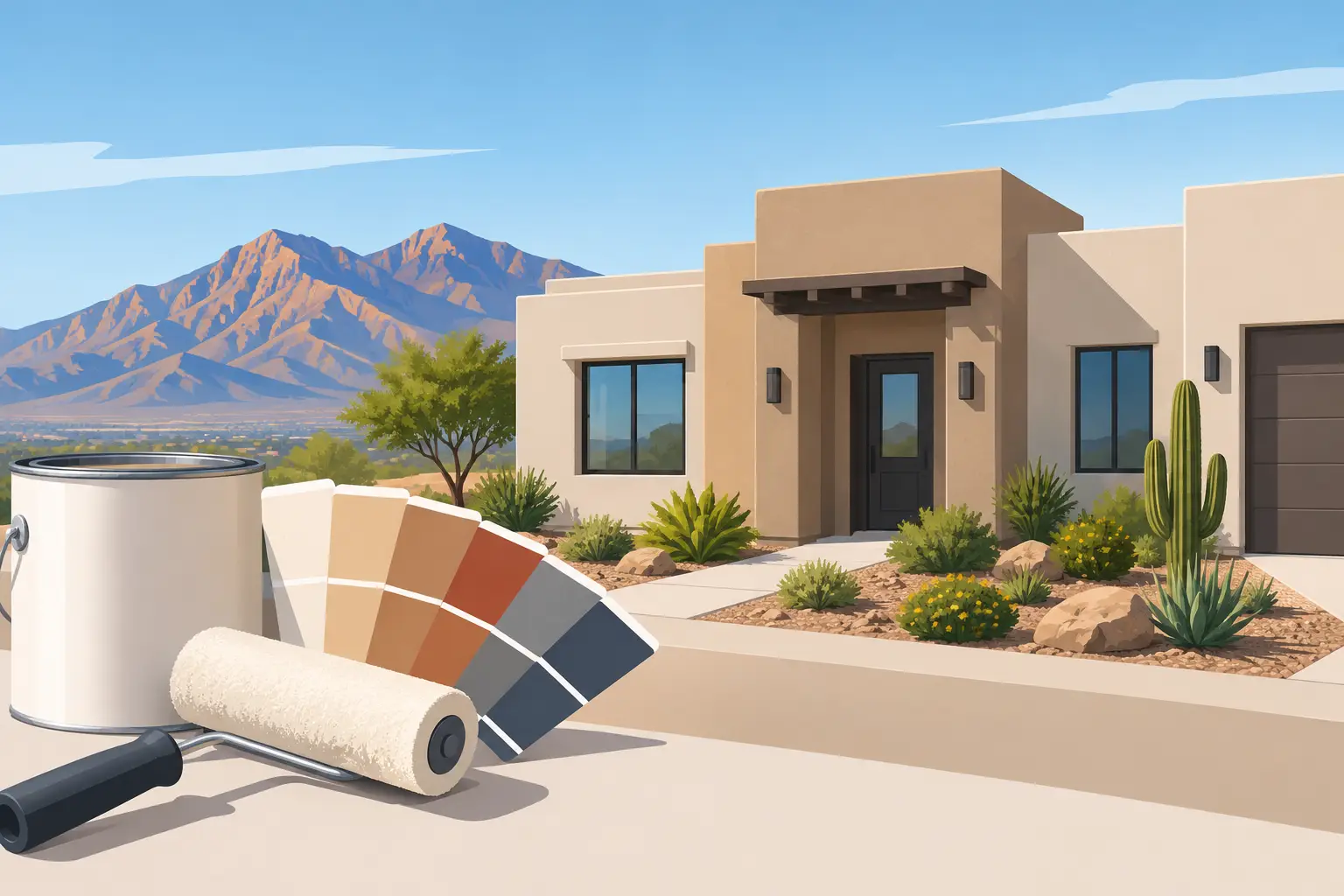
A fresh exterior paint job can make a property look well cared for, but the wrong sheen can show every stucco patch, collect dust, or fade unevenly under El Paso sun. Choosing the best exterior paint finishes is not just about color. It is about matching the finish to the material, the condition of the surface, and the amount of weather exposure it receives.
For most El Paso properties, a single finish across every exterior surface is rarely the best plan. Stucco, siding, fascia, metal railings, trim, and front doors all perform differently. A smart paint specification gives each area the protection and appearance it needs while keeping future maintenance manageable.
Why Exterior Paint Finish Matters in El Paso
Paint finish, also called sheen, describes how much light a painted surface reflects. Lower-sheen coatings absorb more light and help hide surface irregularities. Higher-sheen coatings reflect more light, clean more easily, and provide a tighter-looking surface, but they can expose cracks, patches, and uneven workmanship.
That decision carries extra weight in West Texas. Intense UV exposure can break down lower-quality coatings quickly. Wind-driven dust can settle into rough textures. Temperature swings cause exterior materials to expand and contract, which can stress old paint and caulk joints. On properties with stucco, small hairline cracks are common and should be addressed before paint is applied, not simply covered by a shinier coating.
Quality preparation and a climate-appropriate exterior paint matter as much as sheen. Even the right finish will fail early if loose paint, chalking, damaged stucco, moisture intrusion, or unsealed repairs are left underneath it.
Best Exterior Paint Finishes by Surface
Flat or matte finish for stucco and broad wall areas
Flat and matte finishes are often a strong choice for textured stucco, masonry, and large exterior walls. They have little to no shine, so they soften the visual effect of uneven texture, previous repairs, and minor surface imperfections. This is especially useful on older homes where the exterior has character but not a perfectly smooth finish.
The trade-off is cleanability. Flat paint can hold onto dirt more readily than satin or semi-gloss, and aggressive scrubbing can leave visible marks. For a dust-prone area like El Paso, select a premium exterior flat paint designed for weather resistance and color retention rather than the least expensive option on the shelf. A quality coating will provide better coverage and stand up more reliably between repainting cycles.
Matte is a good middle ground when homeowners want the low-glare appearance of flat paint with slightly improved washability. On residential stucco, matte often delivers the clean, understated finish many property owners prefer.
Low-luster or satin finish for siding and durable wall surfaces
Low-luster and satin finishes offer a modest sheen that is more washable than flat paint without looking overly reflective. They work well on wood siding, fiber cement, smooth masonry, and certain exterior panels. For commercial properties, they can also be practical on high-contact walls near entries, walkways, or service areas.
Satin paint makes a surface look a little richer, especially when the color has depth. However, it will reveal more flaws than matte paint. If the siding has peeling layers, open seams, visible fasteners, or rough repair areas, those issues need to be corrected before a satin finish goes on.
For many homes, satin is the most balanced option for exterior siding: durable enough for regular cleaning, attractive enough for curb appeal, and not so shiny that it looks out of place under bright desert light.
Semi-gloss finish for trim, fascia, and shutters
Semi-gloss is a dependable choice for trim because it resists moisture, handles cleaning well, and creates contrast around windows, doors, eaves, and rooflines. It also holds up well on fascia boards, provided the wood is properly repaired, primed, and caulked beforehand.
The light reflection helps architectural details stand out. A satin body color paired with semi-gloss white or darker trim can give a house a crisp, finished appearance without making the entire exterior look shiny.
Semi-gloss is less forgiving than satin, so preparation is critical. Nail holes, rough sanding, peeling paint edges, and brush marks are more noticeable. A professional crew should scrape failing paint, sand transitions smooth, spot-prime exposed areas, and use the right application method for a consistent result.
Gloss finish for front doors and select metal details
Gloss finishes create the highest level of shine and are best reserved for smaller focal areas. A gloss front door can make a strong first impression, particularly in a deep blue, black, red, or other intentional accent color. It is also useful for properly prepared metal gates, railings, and decorative details that benefit from a hard, cleanable surface.
Because gloss highlights nearly every imperfection, it is rarely the right choice for large walls, broad fascia runs, or textured stucco. A door with dents, peeling paint, or weathered wood grain will need careful prep before gloss paint can look its best. On sun-facing doors, use an exterior-grade product rated for UV exposure and follow the manufacturer’s recommendations for dark colors on specific materials.
A Practical Finish Plan for Most Homes
A coordinated exterior paint plan usually uses two or three sheen levels rather than one. The goal is to keep larger areas visually calm while giving high-use details better washability and protection.
For a typical stucco home in El Paso, that may mean matte paint on the stucco body, satin or semi-gloss on trim and fascia, and semi-gloss or gloss on the front door. On a home with smooth fiber-cement siding, satin on the siding may replace matte on the body. The right combination depends on the surface condition, the home style, and how much contrast the owner wants.
Do not choose a higher sheen simply because it sounds more durable. A premium low-sheen exterior paint can outperform a lower-quality semi-gloss product when it comes to fade resistance, adhesion, and long-term appearance. Paint chemistry, surface prep, primer selection, and application conditions all matter.
What to Check Before Choosing a Finish
Before committing to a paint finish, inspect the exterior in direct daylight. Look for chalking, cracks, failing caulk, water staining below roof edges, peeling areas, and stucco damage. These conditions can affect which repairs and primers are needed before painting begins.
Pay close attention to surfaces near the roofline. Damaged flashing, overflowing gutters, roof leaks, or deteriorated fascia can cause recurring paint failure. Painting over an active water problem only delays the repair. As a full-service contractor, MAK Roofing & Construction can evaluate connected exterior issues so roofing, stucco repair, fascia work, and painting are handled as one coordinated project when needed.
Color should also influence the decision. Very dark colors absorb more heat, which may increase stress on some siding materials and painted trim. Light to mid-tone colors generally perform well in high-sun environments and can help a building feel less visually harsh during the hottest months. If you want a dark accent color, limit it to doors, shutters, or other smaller elements where its impact is easier to manage.
Preparation Determines How Long the Finish Lasts
The best exterior paint finish cannot compensate for poor preparation. Professional exterior painting starts with cleaning dust and chalking from the surface, removing loose material, repairing cracks and damaged stucco, sealing gaps, and applying the appropriate primer where bare surfaces or repairs are exposed.
Application conditions matter, too. Paint should not be rushed onto a hot surface that is baking in direct afternoon sun, and crews need to account for wind, temperature, and cure time. Proper planning helps prevent lap marks, weak adhesion, and uneven sheen.
When comparing painting estimates, ask what surface prep is included, how damaged areas will be repaired, what paint system will be used, and which finish is planned for each surface. A clear scope helps you compare proposals based on workmanship and protection, not just the initial price.
A well-chosen finish should make your property easier to maintain while helping it stand up to sun, dust, and everyday wear. Start with the condition of your exterior, then choose the sheen that serves each surface instead of asking one paint finish to do every job.