

- BY
- POSTED IN Blog
- WITH 0 COMMENTS
- PERMALINK
- STANDARD POST TYPE
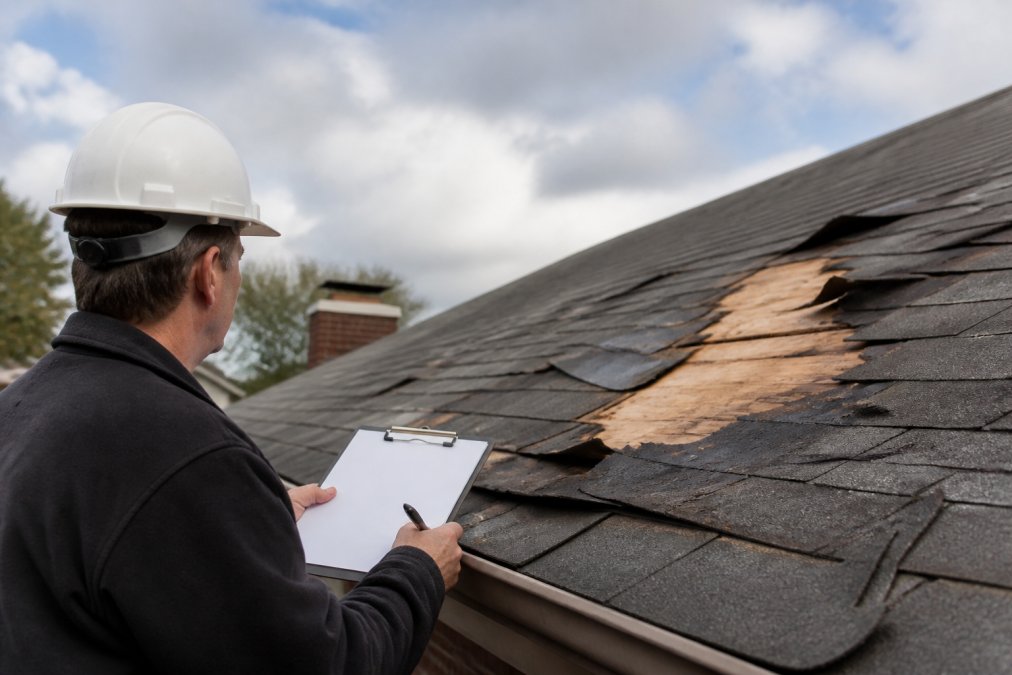
Table of Contents
- What to Look for in a Wind Damage Roofing Contractor
- Signs of Wind Damage on Shingles and Roof Systems
- How to Document Roof Damage for Insurance Claims
- Understanding the Roof Storm Damage Insurance Claim Process
- Top Roofing Contractors for Wind Damage Repair
- 1. MAK Roofing & Construction: Full-Service Expertise and Financing
- 2. Meraki Roofing: 24/7 Emergency Response and Drone Inspections
- 3. Mountain Star Roofing Systems: Lifetime Warranty Protection
- 4. El Paso Roofing Co.: Established Local Expertise Since 1978
- 5. Mann & Sons Roofing: Family-Owned and Owner-Present Service
- 6. Smith & Ramirez Roofing: GAF Certified with Extended Warranties
- 7. Star City Roofing: High-Rated Local Service with Satisfaction Guarantee
- Repair vs. Replacement: Making the Right Choice
- What to Expect After Your Roof Repair
- Frequently Asked Questions
Last Updated: August 28, 2026
What to Look for in a Wind Damage Roofing Contractor
When a storm damages your roof, the contractor you choose determines whether repairs truly restore your home. Start with credentials: valid state license, liability insurance, bonding, and GAF certification or similar manufacturer credentials. An A+ Better Business Bureau rating and verifiable references show earned trust.
Experience with insurance claims matters more than general roofing experience. Wind damage repair involves navigating insurance adjusters, documentation, and claim disputes. Ask how many insurance claims they’ve filed in the past year. The best contractors offer free inspections and written estimates, climbing your roof to assess damage before quoting. They should explain timelines, materials appropriate for your climate, and wind speed ratings relevant to your area.
Signs of Wind Damage on Shingles and Roof Systems
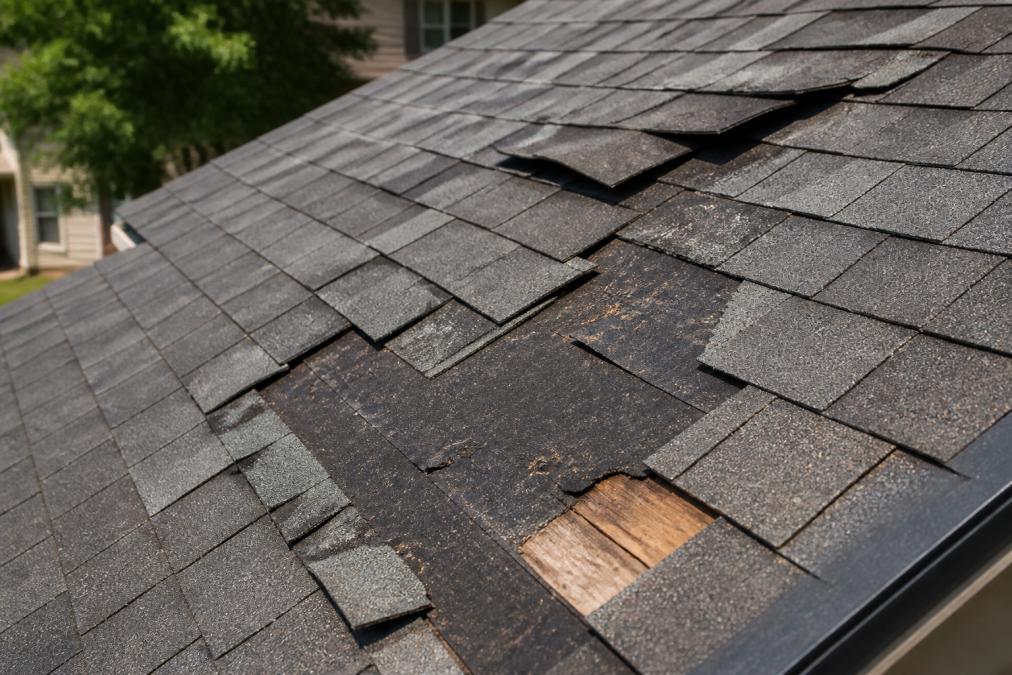
Wind damage appears in specific patterns. Missing shingles are the most obvious sign, wind lifts or tears them away completely. Shingle uplift exposes the underlayment beneath, allowing water infiltration. Other damage includes curled or peeling edges, torn corners, visible cracks, and hail impact marks that look like small dents with exposed fiberglass or granule loss. According to the National Weather Service severe weather guidelines, wind speeds above 40 mph can cause structural roof damage, while speeds exceeding 60 mph create severe risk for shingle loss.
How to Spot Missing or Lifted Shingles
Missing shingles are easiest to identify from the ground using binoculars, look for rectangular gaps or bare spots. Lifted shingles appear slightly raised or wavy with curled edges creating openings where water seeps underneath.
Flashing damage is equally critical. Flashing is the metal trim around roof penetrations like chimneys, vents, and skylights. Wind can bend, separate, or tear flashing, creating direct pathways for water into your attic and walls. Check for gaps between flashing and the roof surface, bent metal edges, or visible separation.
Water Infiltration and Flashing Damage
Water infiltration often appears days or weeks after wind damage. Look for water stains on ceilings or walls, soft spots in drywall, or visible mold growth in attics. Flashing damage accelerates this process, when wind bends or separates flashing, water runs directly into the structure.
How to Document Roof Damage for Insurance Claims
Insurance companies won’t pay claims without clear evidence of damage. Start documenting immediately after the storm, within the first 48 hours if possible. Your documentation should include photos showing damage location and extent, a written description, and ideally a professional inspection report.
Photo and Video Documentation Best Practices
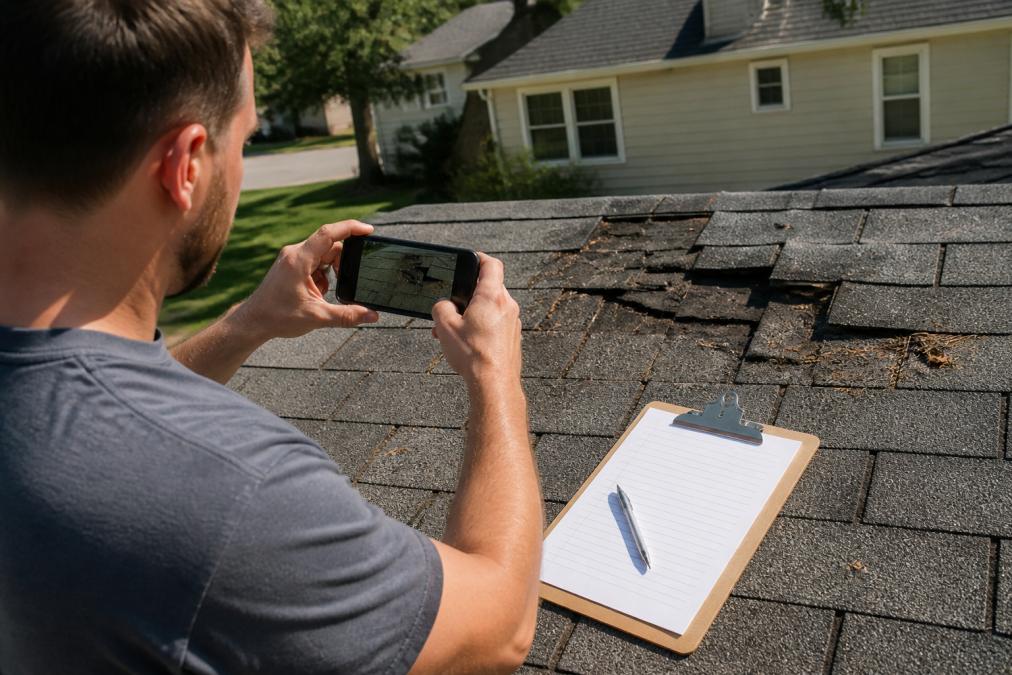
Photograph the damage from multiple angles and distances. Start with wide shots showing the overall roof condition and damaged area location, then take close-ups of specific damage: missing shingles, lifted edges, flashing separation, or impact marks. Include a reference object in some photos to show scale.
Video documentation is increasingly valuable. Walk around your property filming damaged areas while narrating what you see: “This section shows three missing shingles on the north side of the roof, exposing the underlayment underneath.” This creates a timestamped record harder to dispute than photos alone. Photograph interior damage too, water stains, wet insulation, or visible mold all support your claim.
Working with Insurance Adjusters
When the insurance company assigns an adjuster, cooperate fully but protect your interests. Schedule the inspection when you can be present and walk the roof with the adjuster, pointing out damage. Don’t let them rush, a thorough assessment takes 30-45 minutes for most residential roofs.
Bring your documentation to the inspection. Show the adjuster your photos, video, and any contractor estimate. If the adjuster’s estimate seems low, you can request a re-inspection, hire an independent adjuster, or appeal the decision. Many contractors assist with appeals, presenting additional evidence about damage severity.
Understanding the Roof Storm Damage Insurance Claim Process
The insurance claim process has defined stages, though timing varies by insurer and claim complexity.
Filing Your Claim and Timeline Expectations
File your claim within 24-48 hours of discovering damage using your insurer’s online portal, phone line, or mobile app. Provide your policy number, the storm date, and a brief damage description. The insurance company will contact you within 1-3 business days to schedule an inspection. The adjuster typically visits within 5-10 days. After inspection, the insurance company issues a written estimate within 10-15 days detailing damage, repair costs, and coverage. If you disagree, you can request a re-inspection or hire an independent adjuster. The appeal process typically takes 10-30 additional days.
Coverage Limits and Deductibles
Your homeowners policy covers wind and hail damage under dwelling coverage, limited by your policy’s limits and reduced by your deductible. Some policies have separate wind or hail deductibles, often 2-5% of dwelling coverage (iii.org). On a $250,000 home, a 2% wind deductible equals $5,000, you pay this before insurance covers the rest. Coverage excludes damage from lack of maintenance, gradual wear, or pre-existing conditions. Documentation proves the damage resulted from the storm, not neglect.
Top Roofing Contractors for Wind Damage Repair
1. MAK Roofing & Construction: Full-Service Expertise and Financing
MAK Roofing & Construction is a premier choice for wind damage repair in the region. With over 16 years of industry experience, the team handles every aspect of roof restoration from initial damage assessment through final inspection. Their full-service approach means you work with one contractor for damage documentation, insurance coordination, and repairs, eliminating coordination headaches.
The company specializes in custom-designed roofing systems built for the local climate. El Paso’s intense heat, occasional hail, and dust storms create unique demands that generic solutions don’t address. What sets this contractor apart is their commitment to the entire process. They assist with insurance claim documentation, attend adjuster inspections, and advocate for fair coverage. Bank financing options are available, removing the barrier of upfront costs and allowing immediate repairs.
2. Meraki Roofing: 24/7 Emergency Response and Drone Inspections
Meraki Roofing delivers rapid emergency response with 24/7 availability and average response time under 2 hours. Tarping can happen the same day a storm hits, preventing additional water damage while you arrange permanent repairs.
The standout feature is their use of FAA-licensed drones for roof inspections. Drones provide detailed aerial documentation without safety risks of traditional roof climbing, creating professional-quality documentation that insurance adjusters respect. Meraki Roofing has filed 138 insurance claims with a high approval rate and holds GAF Certified Plus status.
3. Mountain Star Roofing Systems: Lifetime Warranty Protection
Mountain Star Roofing Systems provides peace of mind through their Lifetime Warranty on roofing systems, covering material defects and workmanship for the roof’s life. They specialize in identifying and repairing damage from high winds, intense sun, and water infiltration, with an A+ Better Business Bureau rating reflecting consistent customer satisfaction. Mountain Star Roofing assists throughout the insurance claim process, from initial damage assessment through final claim resolution.
4. El Paso Roofing Co.: Established Local Expertise Since 1978
Operating since 1978, El Paso Roofing Co. brings nearly five decades of local experience to wind damage repairs. Their longevity indicates they’ve survived market changes, built strong customer relationships, and maintained consistent quality through multiple storm seasons. The company provides a 10-year workmanship warranty on all roofing work and doesn’t subcontract jobs, their own trained crew handles every project from start to finish.
5. Mann & Sons Roofing: Family-Owned and Owner-Present Service
Mann & Sons Roofing operates as a family business where the owner is present on every job, ensuring quality control and direct accountability. The company specializes in roof repairs, replacements, and insurance claim assistance with an A+ Better Business Bureau rating and zero complaints. They handle shingle roofs, metal roofs, and flat roofs, giving them versatility across different roof types.
6. Smith & Ramirez Roofing: GAF Certified with Extended Warranties
Smith & Ramirez Roofing offers industry-leading warranties of 15 to 30 years on labor depending on the roofing system selected. They hold GAF Certification, meeting the highest manufacturer standards for training and quality, and use premium materials like GAF Timberline HDZ shingles. Licensed in both Texas and New Mexico, they can serve a wider regional area.
7. Star City Roofing: High-Rated Local Service with Satisfaction Guarantee
Star City Roofing maintains a 4.9-star Google rating with over 190 five-star reviews, indicating exceptional customer satisfaction. The company offers a 100% satisfaction guarantee, standing behind their work completely. Locally owned and operated, they handle replacements, repairs, and storm claims with quick scheduling and clear communication.
Repair vs. Replacement: Making the Right Choice
After wind damage assessment, your contractor will recommend repair or replacement based on damage extent, roof age, and cost considerations.
When Repair Is Sufficient
Repair is appropriate when damage is localized and your roof has remaining lifespan. If 10-15% of shingles are missing or damaged and the rest is in good condition, targeted repairs restore functionality. Repair costs less upfront and preserves your existing roof system. If your roof is relatively new (under 10 years old) and damage is contained, repair makes financial sense. Insurance often covers repair costs entirely, leaving minimal out-of-pocket expense.
When Full Replacement Is Necessary
Replacement becomes necessary when damage is extensive (more than 30% of the roof), your roof is near the end of its lifespan (20+ years old), or multiple repairs have failed. Most asphalt shingle roofs last 20-25 years in El Paso’s climate (peer-reviewed research). If your roof is 18+ years old and sustains wind damage, replacement is typically more economical than repair. Insurance coverage often supports replacement decisions, with some policies covering replacement cost value rather than actual cash value.
What to Expect After Your Roof Repair
Workmanship Warranties and Long-Term Protection
After repairs are complete, your contractor should provide a written workmanship warranty covering defects in installation and materials for a specified period, typically 5-10 years for repairs, longer for replacements. Beyond the contractor’s warranty, manufacturer warranties cover roofing materials themselves, typically running 20-30 years and covering material defects. Your contractor should register your roof with the manufacturer to activate this coverage.
Post-Repair Maintenance and Inspections
After repairs, schedule annual inspections to catch problems early. Fall inspections before winter weather identify issues needing attention. Spring inspections after winter storms check for new damage. Clear gutters and downspouts regularly to prevent water backup. Trim tree branches overhanging your roof to prevent damage from falling limbs. Document all maintenance and inspections, this record proves you’ve maintained the roof properly, supporting warranty claims if problems arise.
Choosing the best roofing contractors for wind damage repair requires balancing experience, credentials, insurance expertise, and warranty protection. The contractors listed above represent the region’s most reliable options, each with specific strengths. MAK Roofing & Construction combines full-service expertise with local climate knowledge and financing flexibility. Their comprehensive approach, from damage documentation through final inspection, eliminates the coordination burden you’d face working with multiple contractors. Get a free video estimate from MAK Roofing & Construction to understand your repair options and receive expert guidance tailored to your specific damage.
| Contractor | Key Strength | Best For | Notable Feature |
|---|---|---|---|
| MAK Roofing & Construction | Full-service expertise and financing | Most homeowners | Single point of contact for entire project |
| Meraki Roofing | 24/7 emergency response | Urgent repairs | Drone inspections and rapid response |
| Mountain Star Roofing Systems | Lifetime warranty | Long-term protection | Comprehensive warranty coverage |
| El Paso Roofing Co. | Established local presence | Community trust | Nearly 50 years of experience |
| Mann & Sons Roofing | Owner-present service | Direct accountability | A+ BBB, zero complaints |
| Smith & Ramirez Roofing | Extended warranties | Warranty protection | 15-30 year labor warranties |
| Star City Roofing | Customer satisfaction | High-rated service | 4.9-star Google rating |
Frequently Asked Questions
Q: Does homeowners insurance cover roof damage from wind?
A: Most homeowners insurance policies cover wind damage to roofs, though coverage depends on your specific policy and the cause of damage. Wind damage from severe storms is typically covered, but damage from poor maintenance or wear is not. Your deductible applies, meaning you pay that amount before insurance covers the rest. Review your policy or contact your insurer to confirm your coverage limits. Working with a contractor experienced in insurance claims helps ensure proper documentation for approval.
Q: What are the signs of wind damage on shingles?
A: Common signs of wind damage on shingles include missing or lifted shingles, exposed nails, curled or bent shingle edges, granule loss (bare spots), and visible cracks or tears. Water stains on ceilings or walls inside your home indicate leaks from wind-damaged areas. Check flashing around vents and chimneys for separation or damage. If you notice any of these signs after a storm, contact a contractor for a professional roof inspection to assess the full extent of damage before filing an insurance claim.
Q: How do I document roof damage for an insurance claim?
A: Start by taking clear photos and videos of all visible damage from multiple angles, including wide shots and close-ups of specific problem areas. Document the date and weather conditions when damage occurred. Write down a detailed description of what you observe. Keep receipts for any emergency repairs or tarping services. Schedule a professional roof inspection with a licensed contractor who can provide a detailed damage report and estimates. Provide all documentation to your insurance company when filing your claim, and request that the insurance adjuster attend an inspection with your contractor.
Q: What is the typical timeline for roof storm damage repair?
A: Emergency tarping or temporary repairs can often be done within 24 to 48 hours of damage. Full roof repairs or replacements typically take 1 to 3 weeks, depending on weather, material availability, and the extent of damage. Insurance claim approval usually takes 5 to 10 business days after the adjuster’s inspection. Confirm timelines with your contractor before work begins, as severe weather or material delays may extend the schedule.
This article was written using GrandRanker