

- BY
- POSTED IN Uncategorized
- WITH 0 COMMENTS
- PERMALINK
- STANDARD POST TYPE
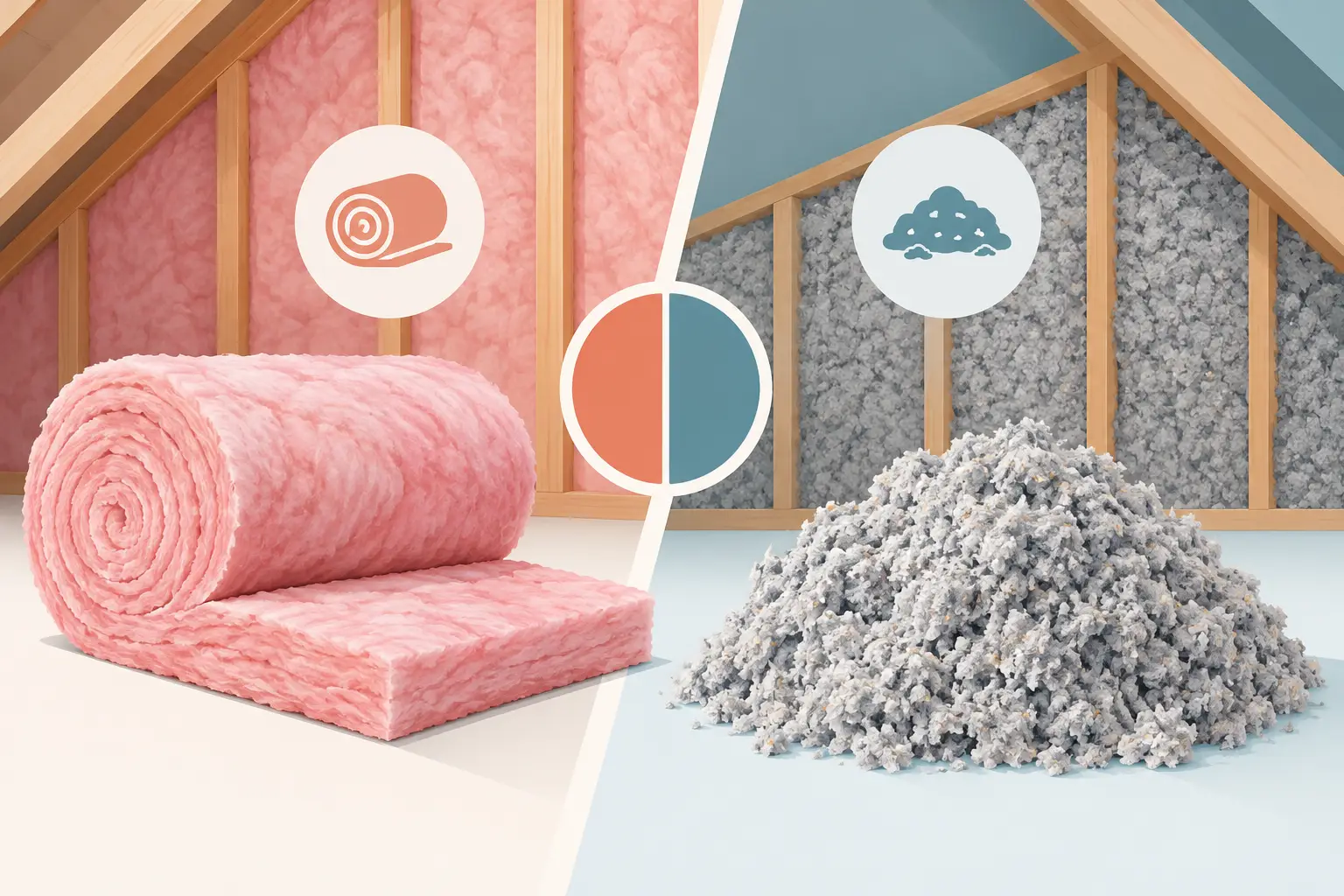
A hot El Paso attic can turn a well-built home into an expensive place to cool. When property owners compare fiberglass versus cellulose insulation, the right choice is rarely about picking the material with the highest number on a label. It is about how the insulation fits the attic, wall cavities, roof system, budget, and condition of the property.
Both materials can improve comfort and reduce unnecessary heat transfer when they are installed correctly. The differences show up in coverage, air movement, moisture response, fire characteristics, and the practical realities of working around wiring, ductwork, recessed fixtures, and existing insulation.
Fiberglass Versus Cellulose Insulation in El Paso
Fiberglass insulation is made from spun glass fibers. It is commonly installed as pre-cut batts in walls and ceilings or blown loose across an attic floor. Most homeowners recognize the pink, yellow, or white batt insulation used in framed construction, but blown fiberglass is also a strong option for bringing an older attic up to a more effective insulation level.
Cellulose insulation is typically made from recycled paper fibers treated with fire-retardant chemicals. It is most often blown into attic floors or densely packed into enclosed wall cavities. Its loose fibers can settle around many small obstructions, which makes it useful in irregular spaces that are difficult to insulate with batts alone.
For El Paso homes, neither product is automatically better in every situation. A newer home with open, consistently framed cavities may be well served by fiberglass batts or blown fiberglass. An older home with uneven attic framing, many penetrations, and gaps around electrical boxes may benefit from the way blown cellulose fills around obstacles.
R-Value Is Only Part of the Story
R-value measures resistance to heat flow. Higher R-values generally mean better thermal resistance, but the installed result matters more than the product’s advertised performance. A batt compressed behind a wire, cut too short around framing, or left with open gaps will not perform as intended.
Cellulose often provides a slightly higher R-value per inch than standard loose-fill fiberglass, although specific products vary. That advantage can help where attic depth is limited. In a typical attic with adequate room, however, both materials can reach the insulation levels needed for a more comfortable home.
More insulation is not a substitute for air sealing. Openings around plumbing stacks, attic hatches, electrical penetrations, duct boots, and top plates allow hot air and dust to move through the building envelope. Before installing new material, these areas should be inspected and sealed where appropriate. This step often makes a major difference in energy performance, especially during long cooling seasons.
How Each Material Handles Heat, Air, and Comfort
El Paso properties deal with intense sun, high temperatures, and significant day-to-night swings. Insulation slows heat transfer, helping keep attic heat from pushing into conditioned rooms below. It also helps retain indoor temperatures during colder periods.
Blown cellulose forms a dense blanket across an attic floor and can cover around trusses, wiring, and other obstacles with fewer voids than poorly installed batts. Its density can also reduce airflow through the material itself. That does not mean cellulose replaces dedicated air sealing, but proper coverage can contribute to a more even thermal layer.
Fiberglass is lightweight, durable, and does not settle as much as cellulose when installed to the correct depth. Blown fiberglass can provide broad, consistent attic coverage, while batts remain a practical choice for open walls and accessible ceiling cavities. Quality installation is the deciding factor. Fiberglass batts need to fit snugly, without being compressed or leaving uninsulated edges.
For a commercial property, the evaluation may include much more than attic insulation. Roof assembly type, ceiling height, mechanical systems, occupancy schedules, and the condition of existing roofing all affect the best approach. A flat roof, for example, may call for insulation decisions that are integrated with roof replacement or coating work rather than attic-floor insulation alone.
Moisture, Fire, and Long-Term Condition
El Paso’s dry climate lowers the moisture risk found in more humid regions, but moisture is never something to ignore. A roof leak, plumbing leak, condensation issue, or poorly vented area can damage insulation and the building materials around it.
Fiberglass does not absorb water the way cellulose does. If it gets wet, it can lose effectiveness until it is dried and may need replacement if contaminated or badly compressed. Cellulose can absorb moisture, clump, settle, and lose performance when exposed to a significant leak. In either case, the leak must be repaired first. Adding insulation over a moisture problem only hides damage and delays the real repair.
Fiberglass is noncombustible, which is one reason it is widely used around residential and commercial construction. Cellulose is treated to resist fire, but it is still an organic material and must be installed according to manufacturer instructions and local building requirements. Clearances around heat-producing fixtures, chimneys, flues, and other components are not optional with either material.
Pest activity also deserves attention before insulation is added. Rodent droppings, nesting, damaged ductwork, and chewed wiring should be addressed before a crew covers the area. Insulation work is an opportunity to see what has been happening above the ceiling line and correct problems before they become larger repairs.
Installation Method Can Change the Best Choice
The material matters, but the installation method often matters just as much. Fiberglass batts are effective in clean, open cavities when fitted carefully around obstructions. They are not the best answer for an attic full of irregular framing, old insulation, and hard-to-reach edges.
Blown fiberglass and blown cellulose are both well suited to attic upgrades. A professional crew can establish the proper depth, distribute material evenly, maintain access to critical components, and avoid covering areas that must remain visible or accessible. Attic hatches, ventilation pathways, recessed fixtures, and HVAC equipment all need careful planning.
Dense-pack cellulose can be installed into closed wall cavities through small access holes, making it useful for retrofit projects where removing drywall is not desirable. Fiberglass can also be used in retrofit applications, but the wall design and installation method should be evaluated before choosing a product.
If a homeowner is already planning drywall work, a remodel, an addition, or roof-related construction, that can be an ideal time to improve insulation. Open walls and exposed roof areas create access that may not be available later. Coordinating the work under one experienced contractor can prevent unnecessary rework and help make sure insulation, ventilation, drywall, and exterior repairs support each other.
Which Insulation Is the Better Value?
Fiberglass is often the more budget-friendly material, particularly when standard batts can be installed in straightforward framing. It is widely available, familiar to installers, and can provide dependable long-term performance when protected from water damage and installed without gaps.
Cellulose may cost more in some applications, but its ability to fill complex areas and provide solid coverage can make it a worthwhile investment. It can be especially appealing for older homes with uneven attic floors or wall cavities that need retrofit insulation.
The best value comes from solving the actual problem. If an attic is underinsulated but otherwise dry and well sealed, either blown product may work well. If the home has air leaks, roof damage, deteriorated ducts, or missing ventilation details, insulation alone will not deliver the expected comfort or energy savings.
Questions to Ask Before You Choose
Before approving an insulation project, ask whether the existing material is dry and safe to keep, whether air leaks will be sealed first, and whether the recommended depth meets the needs of the space. Also ask how the crew will protect recessed fixtures, attic access points, ductwork, and ventilation routes.
For properties with a history of roof leaks or water staining, start with a roof inspection. The insulation decision should follow a clear understanding of where moisture is coming from and whether the roof system is protecting the structure as it should.
A careful inspection gives you a better answer than a one-size-fits-all recommendation. MAK Roofing & Construction can evaluate the condition of your attic, roof, and surrounding building components so your insulation upgrade supports a cooler, more comfortable, better-protected property. Schedule your appointment today and make the improvement where it will do the most good.