

- BY
- POSTED IN Blog
- WITH 0 COMMENTS
- PERMALINK
- STANDARD POST TYPE

Table of Contents
- What You’ll Need Before You Start
- Step 1: Assess Your Current Roof and Attic
- Step 2: Choose the Best Roofing Materials for El Paso Heat
- Step 3: Understand Energy Efficient Roof Insulation Pricing 2026
- Step 4: Claim El Paso Electric Energy Efficiency Rebates
- Step 5: Schedule Professional Installation and Verification
- Common Mistakes to Avoid With Energy Efficient Roofing
- Conclusion
- Frequently Asked Questions
Last Updated: September 26, 2026
What You’ll Need Before You Start
Reducing cooling costs with energy efficient roofing starts with a few basics before any work begins. This guide from MAK Roofing & Construction walks through the full process, from attic inspection to rebate paperwork, so you can plan with clear numbers and realistic expectations.
El Paso summers push attic temperatures well past 140°F. That heat radiates straight down into your living space, and your air conditioner pays for it every hour. The good news: how to reduce cooling costs with energy efficient roofing comes down to five repeatable steps, and most homeowners can complete the planning stages in a weekend.
Gather these items first:
- A ladder rated for your roof height
- A flashlight and a tape measure
- A notepad or phone for photos
- Your latest electric bill and account number
- A calendar for scheduling inspections
You will also want copies of any past roof repair receipts. Contractors use them to judge the age and condition of your current system.
Take photos of every attic corner before you touch anything. Insulation depth, vent placement, and water stains are easy to forget once you are back on the ground, and contractors can read more from a photo than from a description.
Step 1: Assess Your Current Roof and Attic
Assessment is the cheapest part of the project and the one most homeowners skip. A proper evaluation tells you whether you need a full replacement or just added insulation and better vents.
Start outside. Look for cracked shingles, rusted flashing, and granules collecting in gutters. Then head inside to the attic with your flashlight.
Check these items:
- Insulation depth (measure it against a ruler)
- Signs of moisture, mold, or dark staining
- Vent openings at the soffit and ridge
- Daylight showing through the roof deck
- Exposed ductwork or gaps around pipes
Write down what you find. This list becomes your shopping list for the next four steps.
Check Insulation Levels and Attic Ventilation
Insulation and ventilation work as a pair. Insulation slows heat transfer, and ventilation carries the trapped heat away before it can soak through. Fix one without the other and you lose most of the benefit.
In El Paso’s climate, attic insulation generally needs to sit well above the ceiling joists to do its job. If you can still see the wood framing, you likely need more. For ventilation, look for a balance between intake vents at the eaves and exhaust vents at the ridge. A common mistake is adding a powered attic fan without enough intake air, which pulls conditioned air out of the house instead of hot air out of the attic.
According to the U.S. Department of Energy’s guide to attic insulation, sealing air leaks and adding insulation together deliver far better results than either one alone.
Step 2: Choose the Best Roofing Materials for El Paso Heat
The best roofing materials for El Paso heat are light-colored, reflective products that bounce solar radiation instead of absorbing it. Three options dominate local projects: reflective shingles, clay or concrete tile, and spray foam systems.
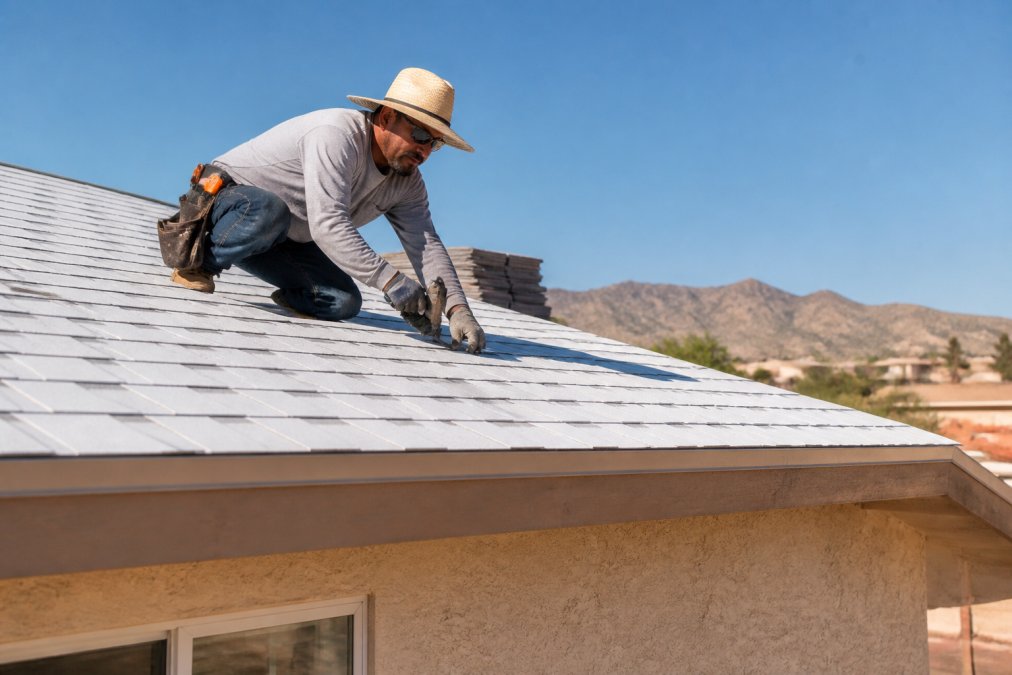
Reflective Shingles, Tile, and Foam Compared
Each material solves the heat problem differently, and the right pick depends on your budget and roof structure.
| Material | How It Works | Best For | Watch Out For |
|---|---|---|---|
| Reflective shingles | Coated granules bounce sunlight | Most homes, tight budgets | Less benefit if attic vents are blocked |
| Clay or concrete tile | Air gap plus thermal mass | Spanish-style homes, long-term owners | Heavier, may need framing checks |
| Spray foam roofing | Seamless reflective surface | Flat and low-slope roofs | Needs a skilled installer |
Reflective shingles are the practical default for pitched roofs. They cost less than tile and install with standard methods. Tile wins on lifespan and looks, but the added weight means a contractor should inspect your framing first. Foam suits flat commercial roofs and low-slope sections where shingles will not sit properly.
A common mistake is buying the most reflective product on the label without checking whether your attic can shed the heat it blocks. Reflection without ventilation just moves the problem.
Step 3: Understand Energy Efficient Roof Insulation Pricing 2026
Energy efficient roof insulation pricing 2026 depends on three things: square footage, material choice, and whether the job includes a full tear-off. No honest contractor quotes a number before seeing the roof, and you should be wary of anyone who does.
Cost drivers to expect:
- Roof size and pitch (steeper roofs take longer)
- Material grade and reflectivity rating
- Old roof removal and disposal
- Added attic insulation and vent work
- Permits and inspection fees
Ask each contractor for a line-item quote, not a lump sum. You want to see labor, materials, disposal, and permits separated. That breakdown makes it easy to compare bids and spot a lowball offer that hides extras.
For current pricing on your specific roof, request a written estimate. MAK Roofing & Construction offers bank financing options so you can spread the cost instead of paying everything upfront.
The lowest bid usually wins the job and loses the homeowner money. Bids that skip disposal fees or permit costs often grow by thousands once work starts. Compare line items, not totals.
Step 4: Claim El Paso Electric Energy Efficiency Rebates
El Paso Electric energy efficiency rebates can offset a meaningful share of your project, but the paperwork has to be right. Rebate programs change yearly, so confirm current terms before you sign a contract.
How the process usually works:
- Check your utility account for available programs
- Confirm your chosen materials qualify
- Get pre-approval if the program requires it
- Keep every receipt and spec sheet
- Submit within the program’s deadline
The most common mistake is installing first and asking about rebates later. Many programs require approval before work begins, and retroactive claims get denied. Verify the rules through El Paso Electric’s energy efficiency program page before your crew starts.
Step 5: Schedule Professional Installation and Verification
Professional installation protects both your warranty and your rebate. Most manufacturers require certified installers, and utilities often ask for proof of licensed work before releasing funds.
What a good installation day looks like:
- Crew arrives with permits posted
- Old roofing removed and deck inspected
- Underlayment and flashing replaced
- New roofing installed to spec
- Site cleaned and magnetic sweep completed
- Final inspection scheduled
Verification comes last. Ask for a written summary of what was installed, including product names and reflectivity ratings. Keep it with your rebate paperwork and warranty card.
If you need emergency repairs from storm damage, call early in the week. Crews book out fast after monsoon season, and a fast response beats a long wait every time.
Common Mistakes to Avoid With Energy Efficient Roofing
Mistakes with energy efficient roofing usually trace back to skipping a step, not buying the wrong product. Here are some common ones:
- Ignoring attic ventilation. Reflective shingles cannot help if trapped heat has nowhere to go.
- Skipping the pre-approval step. Rebate claims filed after installation often get denied.
- Choosing a contractor on price alone. Cheap bids tend to hide disposal and permit costs.
- Forgetting the flat roof. Commercial and low-slope sections need foam or membrane systems, not shingles.
- Not keeping documentation. Spec sheets and receipts are required for both rebates and warranty claims.
The five-step process works in order. Assess first, choose materials second, price third, rebates fourth, install last. Skipping ahead costs more than it saves.
Conclusion
Cutting cooling costs in El Paso takes planning, not luck. The homeowners who see the biggest savings are the ones who assess their attic, pick materials that match the desert climate, and file rebate paperwork before work starts.
MAK Roofing & Construction has spent over 16 years helping El Paso homeowners lower energy bills with custom-designed roofing systems, full-service project management, and bank financing options that make the upgrade affordable.
Frequently Asked Questions
What is a cool roof and how does it work in desert climates?
A cool roof uses reflective materials and coatings to bounce solar heat away instead of absorbing it. In desert climates like El Paso, where summer temperatures regularly exceed 100°F, this reduces the heat transferred into your attic and living space. Cool roofs can lower roof surface temperatures by 50°F or more compared to standard dark shingles. This means your air conditioner runs less to maintain the same indoor comfort, which directly reduces cooling costs. Materials include reflective shingles, white tile, and coated flat roofing systems.
Are there tax credits for installing energy-efficient roofs in Texas?
Yes. Federal tax credits under the Inflation Reduction Act may apply to certain energy-efficient roofing improvements, including insulation and reflective materials that meet specific ENERGY STAR requirements. Texas does not offer a statewide roofing tax credit, but El Paso Electric energy efficiency rebates can offset part of your project cost. Check with a qualified contractor and your tax advisor to confirm which credits apply to your specific installation. Keep all receipts and manufacturer certifications for your records.
How much can an energy-efficient roof reduce my El Paso Electric bill?
Savings depend on your current roof material, insulation levels, attic ventilation, and home size. Homes with dark asphalt shingles and poor insulation typically see the largest reductions after upgrading to reflective materials and adding insulation. Combined with proper attic ventilation, many El Paso homeowners report meaningful drops in summer cooling costs. To estimate your specific savings, review your past 12 months of El Paso Electric bills and ask a contractor for a pre-project energy assessment.
How long does it take to see a return on investment for a cool roof?
Most homeowners begin seeing lower cooling bills the first summer after installation. The full payback period depends on material cost, energy savings, and any rebates or tax credits you claim. Energy efficient roof insulation pricing 2026 varies by material and project scope, so request a detailed quote that separates material, labor, and insulation costs. With El Paso Electric energy efficiency rebates applied, the payback timeline shortens. A contractor can help you calculate expected ROI based on your home’s specifics.