

- BY
- POSTED IN Uncategorized
- WITH 0 COMMENTS
- PERMALINK
- STANDARD POST TYPE
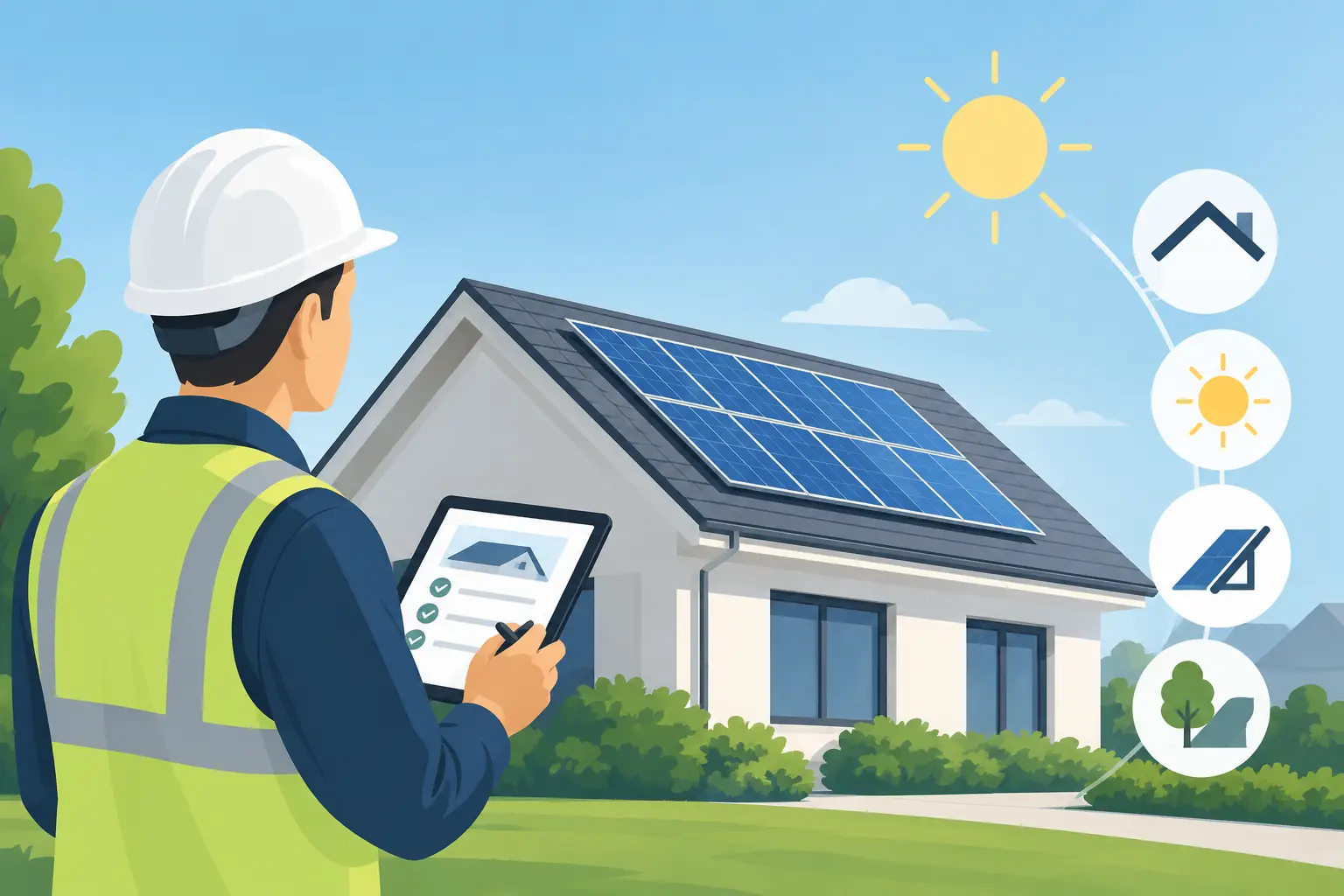
A solar panel roof assessment should happen before panels are ordered, permits are discussed, or installation dates are set. Solar can be a smart long-term upgrade for an El Paso property, but the panels will only perform as well as the roof system supporting them. If the roof is near the end of its service life, has hidden moisture issues, or is not designed for the added load and wind forces, installing solar first can create an expensive problem later.
For homeowners and commercial property owners, the goal is simple: make sure the roof is ready to protect the building for the full life of the solar investment. That means looking beyond whether the roof appears fine from the ground.
Why a Solar Panel Roof Assessment Matters
Solar panels are built to remain in place for decades. A roof that needs replacement in five years may still keep out the weather today, but it is not the right foundation for a new solar array. Removing and reinstalling panels later adds labor, scheduling, and potential warranty complications to what could have been a straightforward roof replacement.
El Paso conditions make this planning especially valuable. High UV exposure, intense summer heat, wind, dust, hail, and seasonal heavy rain can all affect roofing materials and roof details. A roof must shed water correctly, resist wind uplift, and handle thermal expansion while maintaining secure attachment points for the solar system.
A proper assessment also protects the property itself. Roof penetrations, flashing, mounting hardware, drainage paths, and access areas all need to work together. Solar is not a separate project sitting above the roof. It becomes part of the complete roof-and-building system.
What a Solar Panel Roof Assessment Should Review
A professional review starts with the age, condition, and type of roofing system. Shingle, tile, metal, flat roofing, TPO, modified bitumen, spray foam, and coated roof systems each have different installation details, maintenance needs, and considerations for solar mounting.
Roof age and remaining service life
Roof age is one of the first questions to answer. A newer roof in good condition may be ready for solar with minimal preparation. An older roof may need repairs or full replacement before panel installation, even if it has not begun leaking inside the building.
The right decision depends on the roofing material, past repairs, maintenance history, exposure, and current condition. A roof that has endured repeated wind damage or has widespread granule loss, cracked tiles, deteriorated sealant, or worn membrane seams deserves closer attention. Replacing a roof before solar installation is often the more cost-effective choice when its remaining life is limited.
Structural capacity and roof framing
Panels, racking, mounting hardware, and maintenance access add weight to a roof. The added load is often manageable, but it should never be assumed. The roof structure must be reviewed for framing condition, spans, visible sagging, previous alterations, and signs of water damage or wood deterioration.
For commercial buildings, the assessment may include the roof deck, insulation layout, parapet conditions, rooftop equipment, and the location of drains or scuppers. A qualified professional may recommend engineering review when the roof design, building age, solar array size, or load conditions call for it.
Wind is another structural concern in West Texas. The system must be designed and attached to meet applicable requirements, not simply placed where sunlight is strongest. Secure mounting protects the roof, the panels, and the people below.
Existing damage and moisture concerns
Small roof defects should be corrected before solar work begins. A loose flashing detail, cracked pipe boot, damaged valley, lifted shingle, open seam, or deteriorated coating can turn into a harder-to-reach repair once panels are installed above it.
An inspection should look for active leaks as well as evidence of previous moisture intrusion. Stained decking, softened insulation, interior ceiling marks, blistering on flat-roof membranes, and deteriorated underlayment may point to damage that is not obvious from the roof surface alone. Repairing the visible symptom without addressing the source can lead to repeat problems.
Drainage, slope, and water flow
Water needs a clear path off every roof, including the areas below and around solar panels. On sloped roofs, the assessment checks valleys, gutters, transitions, and flashing details. On low-slope commercial roofs, it evaluates drain locations, ponding water, scuppers, tapered insulation, membrane seams, and roof penetrations.
Solar racking should not interfere with drainage or make routine cleaning impossible. Dust and debris can accumulate around rooftop equipment, especially after wind events. If water already ponds on a low-slope roof, adding solar without correcting the drainage issue is not a sound long-term plan.
Shade, orientation, and usable roof space
A solar evaluation also considers whether the roof has enough productive space. Nearby trees, chimneys, parapet walls, rooftop HVAC units, neighboring structures, and future additions can create shade that affects output. South-facing exposure is often favorable, but the best layout depends on the specific property, available roof area, utility goals, and system design.
Not every open roof section should be covered. Space may be needed for maintenance paths, fire access, ventilation, drainage, and future roof repairs. A thoughtful layout balances energy production with serviceability.
When Roof Work Should Come Before Solar
There is no single rule that fits every property, but several situations usually point toward roofing work first. If the roof is approaching replacement age, has recurring leaks, shows widespread surface wear, has poor drainage, or needs major repairs, address those items before the panels go up.
This is especially true when a property owner is already considering a new roofing system. Coordinating roofing and solar planning can help ensure mounting details, flashing, material compatibility, and warranties are considered early rather than adjusted after the fact.
For example, a homeowner replacing aging shingles may choose to install a new shingle system before solar. A commercial owner with a low-slope roof may need membrane repairs, improved drainage, or a roof coating strategy first. The exact solution depends on the roof type and its condition, but the principle stays the same: do not bury a known roofing problem under a solar array.
Questions to Ask Before Approving Solar Installation
Property owners should expect clear answers before moving forward. Ask how much service life the roof has left, whether repairs or replacement are recommended, and how the mounting system will be flashed and sealed. Confirm who is responsible if a future roof repair requires panel removal and whether the planned work affects existing roof warranties.
It is also wise to ask how technicians will access the roof after installation. Panels should not block critical drainage components, roof hatches, HVAC service areas, or maintenance paths. Commercial facility managers should consider how the installation fits into their long-term maintenance plan, not just the immediate energy project.
A coordinated contractor can make these conversations easier because roofing, exterior construction, and solar-related roof preparation are handled with the same building system in mind.
Plan the Roof and Solar System as One Project
The best time to identify a roof issue is before solar equipment is installed. A careful inspection can reveal whether a few targeted repairs are enough, whether the roof needs a larger restoration plan, or whether replacement is the smarter investment before adding panels.
MAK Roofing & Construction helps El Paso property owners evaluate roofing condition, repair needs, and the construction work required to prepare for solar-related improvements. Schedule your appointment today and start with a roof plan that protects your property as well as your energy investment.