

- BY
- POSTED IN Uncategorized
- WITH 0 COMMENTS
- PERMALINK
- STANDARD POST TYPE
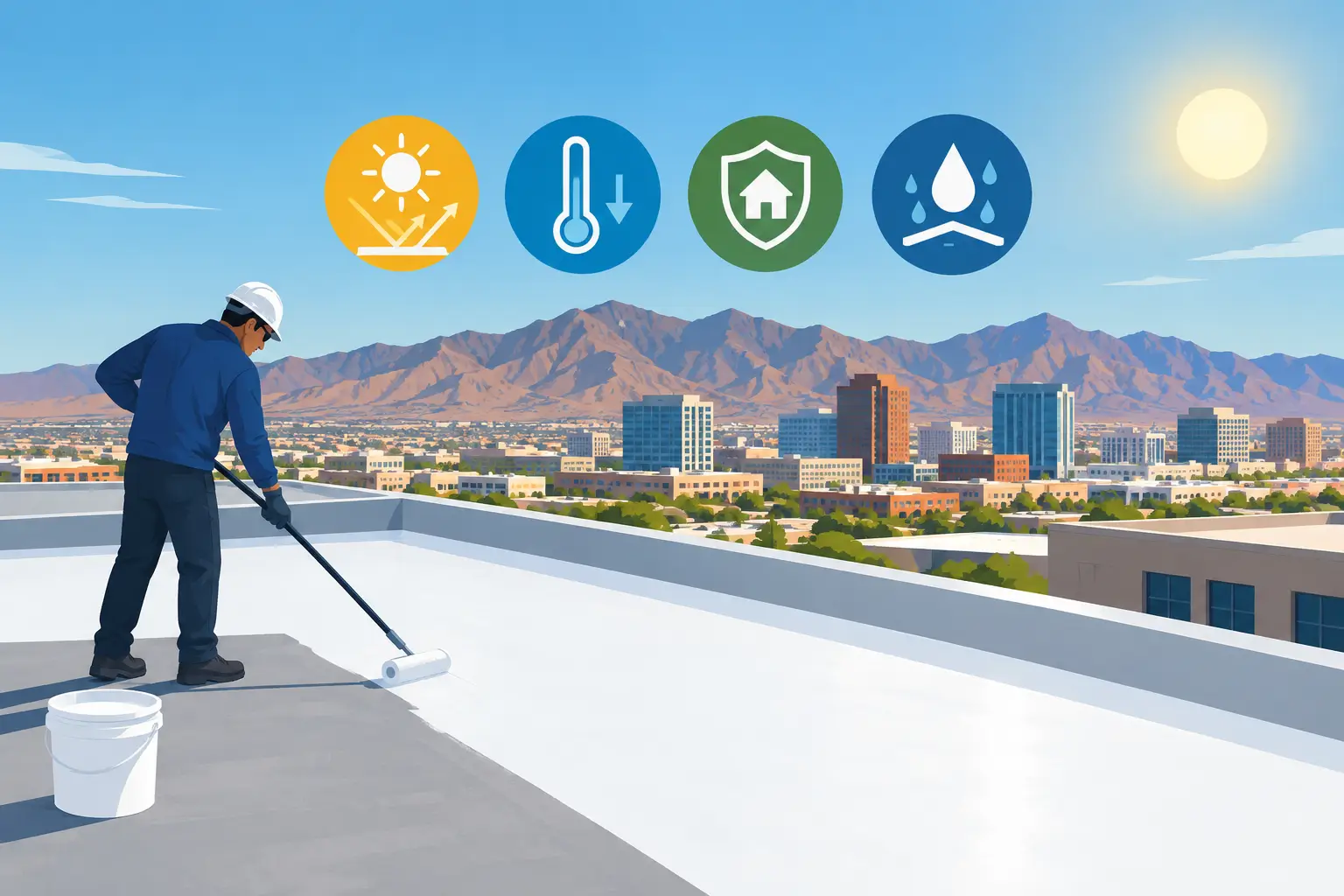
A roof in El Paso has to withstand more than an occasional rainstorm. Intense UV exposure, long stretches of heat, wind-driven debris, and sudden monsoon moisture can wear down a roofing system faster than many property owners expect. Understanding how roof coatings protect buildings helps homeowners and commercial property managers make a practical decision before small surface issues become leaks, damaged insulation, or costly interior repairs.
A properly selected and professionally applied coating creates a protective layer over an existing roof surface. It can help reflect sunlight, seal minor vulnerabilities, resist water intrusion, and extend the service life of a qualifying roof system. The key word is qualifying. A roof coating is not a shortcut around serious damage, trapped moisture, failed insulation, or structural concerns. It performs best when experienced roofing professionals inspect the roof, make needed repairs, and prepare the surface correctly.
How Roof Coatings Protect Buildings From Sun and Heat
The sun is one of the most persistent causes of roof deterioration in the Southwest. UV rays gradually break down exposed roofing materials, especially on low-slope commercial roofs and older flat roofing systems. As the surface dries, cracks, blisters, or loses flexibility, it becomes more vulnerable to water entry.
Many roof coatings are formulated with reflective properties that send a significant portion of solar energy away from the roof instead of allowing it to be absorbed. A lighter, reflective coating can lower roof-surface temperatures, reducing the stress that extreme heat places on the underlying membrane. Less heat moving through the roof can also support more consistent indoor comfort and may reduce cooling demand during El Paso’s hottest months.
Energy savings depend on the building’s insulation, HVAC equipment, roof design, operating hours, and the condition of the existing roof. A coating should be viewed as one part of a larger energy-efficiency plan, not a guarantee of a specific utility bill reduction. Still, reducing solar heat gain is a valuable benefit for many homes, warehouses, offices, and retail properties.
A Continuous Barrier Against Water Entry
Roof coatings are applied as a liquid and cure into a continuous membrane. Unlike roofing materials with many seams or fasteners, a properly installed coating can create a monolithic surface across the field of the roof. This is especially useful around common weak points such as penetrations, drains, scuppers, parapet walls, vents, curbs, and transitions between roof sections.
That continuous layer helps prevent water from reaching the existing roof membrane. It also provides added protection against the expansion and contraction that occurs as temperatures shift from hot afternoons to cooler nights. On roofs where the substrate remains sound, this flexibility can reduce the chance that small surface cracks turn into larger openings.
Water management still matters. No coating can compensate for a roof with major ponding caused by poor drainage, damaged drains, or improper slope. Some coating systems offer stronger resistance to standing water than others, so the material must match the roof’s actual conditions. A thorough inspection identifies where water collects and whether drainage repairs should come first.
Coatings Can Help Preserve the Roof Below
A coating system does not simply cover a roof for appearance. It acts as a sacrificial weathering surface that takes the brunt of sunlight, rain, dust, and temperature changes. Over time, maintaining and recoating that protective layer can be more manageable than allowing the original roof membrane to deteriorate without protection.
This approach can be especially valuable for commercial building owners who need to control capital expenses and avoid disruptive tear-offs when possible. Extending the useful life of a roof may delay a full replacement, provided the existing system is dry, structurally sound, and suitable for restoration.
Choosing the Right Coating System Matters
Not every roof needs the same coating. Material selection depends on the existing roof type, slope, exposure, drainage, foot traffic, and repair history. Acrylic, silicone, polyurethane, and specialized restoration systems each have different strengths.
Acrylic coatings are often selected for their reflectivity and cost-effective performance in dry, sunny climates. They can be a strong option on roofs with proper drainage, but they may not be the best fit where frequent ponding water is present. Silicone coatings are commonly chosen for their moisture resistance and can perform well on roofs that hold water for longer periods. Polyurethane coatings can offer strong impact and traffic resistance in areas where maintenance crews regularly access rooftop equipment.
The wrong material, or the right material applied over an improperly prepared roof, can lead to peeling, bubbling, or early failure. Professional crews evaluate adhesion, surface compatibility, flashing details, and moisture conditions before recommending a system. The goal is not to sell a coating at any cost. The goal is to install a roof protection solution that performs in El Paso weather.
Preparation Is What Makes a Coating Last
The coating itself is only one part of the job. Surface preparation determines whether it can bond correctly and protect the building over time. The roof must be cleaned thoroughly to remove dust, loose coating, oils, debris, and contaminants that interfere with adhesion.
Crews also need to address open seams, splits, failed flashing, cracks around penetrations, and damaged sections of the existing membrane. In some cases, reinforcing fabric is installed at seams and detail areas before the main coating is applied. Wet insulation or saturated roofing materials require closer evaluation because sealing moisture inside a roof can create bigger problems later.
Application conditions matter as well. Temperature, humidity, wind, and the possibility of rain affect how a coating cures. A professional contractor plans the work around suitable weather windows and follows the manufacturer’s requirements for coverage rates, dry film thickness, and cure time. Thin or uneven application may look acceptable at first but can reduce the system’s long-term protection.
Roof Coatings Work Best With Routine Maintenance
A coated roof still needs attention. Seasonal inspections help catch debris buildup, drainage issues, damaged sealant, and wear around rooftop equipment before they become expensive repairs. After high winds or heavy monsoon rain, a quick visual check can reveal branches, clogged drains, or damage caused by service activity.
For commercial properties, a documented maintenance plan helps facility managers track roof conditions and budget for repairs before business operations are affected. For homeowners, regular inspections can protect ceilings, drywall, insulation, and other parts of the home that may be damaged by a slow leak.
Maintenance is also important for warranty compliance. Many manufacturer-backed systems require proper installation and ongoing care. Keeping records of inspections, repairs, and cleaning can be helpful if a warranty question arises later.
When a Roof Coating Is Not the Right Answer
A coating can be a smart restoration option, but it is not the answer for every roof. If there is widespread membrane failure, extensive wet insulation, serious structural damage, or a roof that has reached the end of its service life, replacement may provide better value and more reliable protection.
Likewise, roofs with multiple old layers, poor drainage, or recurring leaks need a full assessment before any restoration work begins. Applying a coating over unresolved problems may hide warning signs temporarily while allowing moisture damage to continue below the surface.
This is why a professional inspection comes before a recommendation. MAK Roofing & Construction evaluates the roof’s condition, identifies repair needs, and helps property owners compare coating, repair, and replacement options based on the building’s needs and budget.
Protect the Building Before Damage Spreads
Roof coatings can reduce heat exposure, strengthen water resistance, and help a suitable roofing system deliver more years of service. Their value comes from the full process: accurate inspection, compatible materials, detailed repairs, proper preparation, and professional installation.
If your roof is showing signs of fading, surface cracking, recurring leaks, or rising heat inside the building, schedule an inspection before the next season puts more stress on the system. A clear assessment gives you the information needed to protect the property with confidence.