

- BY
- POSTED IN Uncategorized
- WITH 0 COMMENTS
- PERMALINK
- STANDARD POST TYPE
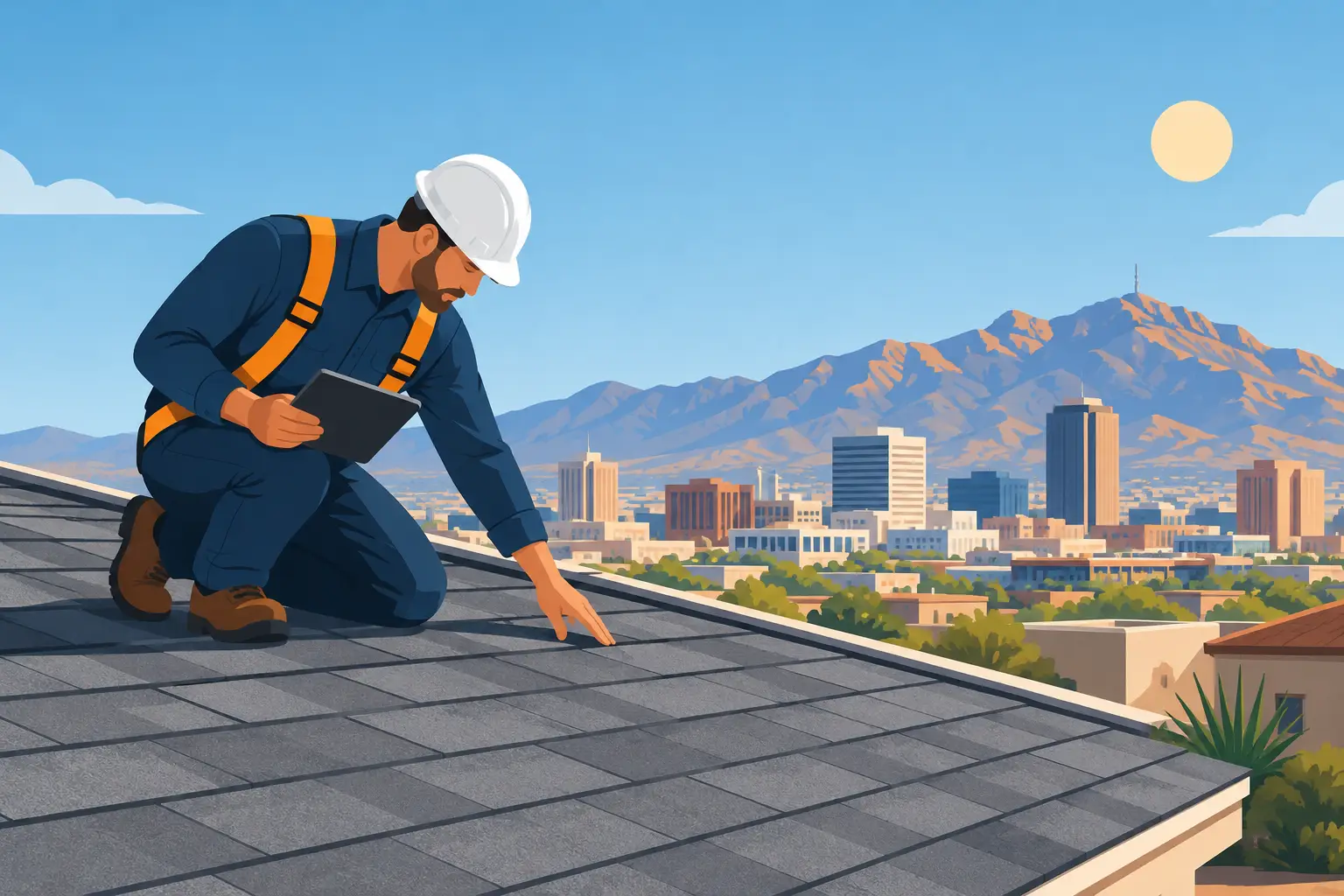
A roof in El Paso works harder than many property owners realize. Intense sun, wind-driven dust, sudden rain, and wide temperature changes can wear down materials long before a roof looks visibly damaged from the ground. Consistent roof maintenance gives homeowners and commercial property managers a chance to address small concerns before they become interior leaks, damaged insulation, disrupted operations, or an early replacement.
The goal is not to perform unnecessary work. It is to understand how your specific roofing system is aging, identify conditions that could shorten its service life, and make informed decisions about repairs, coatings, drainage, or replacement planning.
Why Roof Maintenance Matters in El Paso
El Paso’s dry climate can create a false sense of security. Fewer rainy days do not mean a roof is free from moisture-related risk. When rain does arrive, it can expose worn seals, clogged drains, cracked flashing, loose tiles, and aging membrane seams quickly. A minor weak point may not show itself until water has already traveled beneath the roofing surface.
Sun exposure is another major factor. UV rays gradually dry, fade, and weaken roofing components. On flat and low-slope commercial roofs, prolonged heat can affect coatings and membranes. On shingle roofs, it can contribute to granule loss, curling, and brittleness. Tile and metal roofing are durable choices for many local properties, but they still depend on sound underlayment, flashing, fasteners, and drainage details.
Maintenance protects more than the roof covering. It helps preserve insulation performance, interior finishes, framing, electrical systems, inventory, and tenant spaces. For a business, catching a small roof issue before a storm can prevent an avoidable interruption. For a homeowner, it can mean protecting a remodeled kitchen, drywall, flooring, or belongings below.
What Professional Roof Maintenance Should Include
A useful maintenance visit is more than a quick look from a ladder. A qualified roofing crew evaluates the roofing system as a whole, including the surface material, transitions, penetrations, perimeter edges, and drainage paths. The right approach depends on whether the building has shingles, tile, metal, TPO, modified bitumen, spray foam, a roof coating, or another system.
On a residential roof, an inspection may focus on broken or displaced tiles, missing shingles, exposed fasteners, cracked pipe boots, damaged vents, loose flashing, and debris in valleys or gutters. The crew should also look for signs that water may be getting behind stucco, fascia, or roof-wall intersections.
On commercial properties, maintenance often requires closer attention to membrane seams, drains, scuppers, expansion joints, rooftop equipment curbs, skylights, and previous repair areas. Flat roofs do not have to be perfectly level, but standing water that remains long after a storm deserves attention. Ponding water can accelerate surface deterioration and reveal drainage problems that should be corrected before they affect the building.
A professional evaluation should leave you with clear information: what is in good condition, what needs attention now, what should be monitored, and what may need to be budgeted for later. That clarity is especially valuable for property managers responsible for several buildings or owners preparing a property for sale.
Small Details That Often Cause Big Leaks
Many leaks begin at roof details rather than in the broad field of the roof. Flashing around chimneys, parapet walls, vents, HVAC equipment, skylights, and roof transitions must remain properly sealed and integrated with the roofing system. These areas move, expand, and receive concentrated water flow.
Drainage is equally important. Leaves, windblown dirt, roofing granules, and other debris can block gutters, drains, and scuppers. Water then backs up where it does not belong. Cleaning drainage components is simple compared with repairing water damage, but it needs to be done carefully so components are not bent, punctured, or loosened.
A Practical Roof Maintenance Schedule
Most El Paso properties benefit from a professional roof inspection at least once each year. Commercial roofs, older roofs, and buildings with rooftop equipment may benefit from inspections twice a year, commonly before the rainy season and again afterward. The best schedule depends on the roof type, its age, nearby trees, building use, and history of repairs.
Property owners should also schedule an inspection after a significant wind or hail event, even if they do not see an active leak. Wind can lift shingles, shift tiles, loosen metal panels, and damage edge components. Hail may bruise shingles or affect coatings and membranes in ways that are not obvious without a close review.
Between professional visits, a simple visual check from the ground can help you spot changes. Look for displaced roofing materials, sagging gutters, staining on exterior walls, loose metal flashing, or branches resting on the roof. Inside, watch for ceiling stains, peeling paint, damp insulation, mildew odors, or changes around skylights and vents.
Avoid walking on the roof unless you have the proper experience and safety equipment. Tile can crack under foot traffic, shingles can be damaged in hot conditions, and low-slope membranes can be punctured by the wrong footwear or tools. A roof that appears easy to access can still present a serious fall hazard.
Roof Maintenance Tasks That Protect Your Investment
Some maintenance needs are seasonal, while others should be handled as soon as they are found. A strong plan commonly includes these core services:
- Removing debris from roof surfaces, valleys, gutters, drains, and scuppers.
- Repairing damaged shingles, tiles, flashing, pipe boots, seams, or edge metal.
- Resealing penetrations and transitions where appropriate for the roofing system.
- Checking for ponding water, membrane wear, coating breakdown, and drainage concerns.
- Documenting roof condition to support future repairs, budgeting, and warranty requirements.
Not every issue calls for the same solution. A roof coating can be a practical option for an eligible low-slope roof with a sound substrate, but it will not solve trapped moisture, failed drainage, or widespread material failure underneath. A repair may be the right choice when damage is isolated. If repairs are becoming frequent or the roof has reached the end of its expected service life, replacement may offer better long-term value.
The key is an honest assessment of condition rather than a one-size-fits-all recommendation.
Maintenance by Roofing Type
Shingle roofs should be checked for missing tabs, granule loss, lifted edges, and worn seals around penetrations. Shingles often show age gradually, so a small repair performed at the right time can help prevent water from reaching the decking.
Tile roofs require attention to cracked or slipped tiles, but the underlayment is often the more critical concern. Tiles can remain visually intact while the waterproofing layer beneath them ages. Proper repairs require care so surrounding tiles are not damaged during access.
Metal roofs need inspections of panel seams, fasteners, sealant joints, flashing, and areas where dissimilar metals may create corrosion concerns. A well-maintained metal system can perform for many years, but neglected fasteners and penetrations can become leak points.
Flat roofing systems such as TPO, modified bitumen, spray foam, and coated roofs each require material-specific maintenance. Seams, penetrations, surface wear, coating thickness, and drainage all matter. Commercial building owners should keep records of repairs and inspections, particularly when warranties or capital planning are involved.
When to Call for Roof Service Right Away
Do not wait for an annual inspection if you notice an active leak, ceiling stain, bubbling paint, wet drywall, loose roofing material, or water pooling on a low-slope roof after weather has cleared. These signs do not always mean full replacement is necessary, but they do mean the roof should be evaluated promptly.
Fast action matters because water can move far from the original entry point. The visible stain inside may be several feet away from the damaged flashing, seam, or penetration above. A trained crew can investigate the full area and recommend repairs that address the source rather than only the symptom.
For El Paso homeowners, business owners, and facility managers, roof maintenance is a practical way to protect the rest of the property. MAK Roofing & Construction can help assess roof condition, complete targeted repairs, and build a maintenance approach that fits the system on your building. Schedule an inspection when conditions are dry, before the next storm turns a small concern into a larger project.