

- BY
- POSTED IN Blog
- WITH 0 COMMENTS
- PERMALINK
- STANDARD POST TYPE
Last Updated: October 22, 2026
Quick Summary
Asphalt shingle alternatives like metal roofing, tile, synthetic shingles, and stone-coated steel offer superior durability and energy efficiency in El Paso’s intense heat and UV exposure. These materials last 30-70 years compared to asphalt’s 15-25 year lifespan, and reflective options can reduce cooling costs by 10-15% annually.
- Metal roofing lasts 40-70 years with minimal maintenance, far exceeding asphalt’s 15-25 year lifespan
- El Paso receives 310+ days of clear skies annually, accelerating asphalt degradation and favoring heat-reflective materials
- Synthetic shingles cost 20-40% more than asphalt but last 30-40 years with better temperature resistance
- Stone-coated steel and composite options provide traditional aesthetics with metal-level durability and wind resistance
- Tile roofing offers 50+ year lifespans and complements Spanish Colonial and desert architecture naturally
Table of Contents
- Why Homeowners in El Paso Are Moving Beyond Asphalt Shingles
- Metal Roofing in El Paso: Durability and Energy Efficiency
- Tile Roofing in El Paso: Traditional Appeal Meets Modern Performance
- Synthetic Shingles vs Asphalt Shingles: What’s the Real Difference
- Stone-Coated Steel and Composite Roofing Options
- Material Comparison Table and Selection Guide
- How to Choose the Right Roofing Alternative for Your Home
- Frequently Asked Questions
Why Homeowners in El Paso Are Moving Beyond Asphalt Shingles
Asphalt shingles have dominated residential roofing for decades, but homeowners in El Paso are discovering that alternatives to traditional asphalt shingles offer superior performance in the region’s intense heat and dust. The challenge with asphalt is straightforward: it degrades faster in extreme temperatures, requires frequent maintenance, and doesn’t reflect the desert sun as effectively as newer materials.
At MAK Roofing & Construction, we’ve spent over 16 years helping homeowners evaluate roofing options tailored to El Paso’s specific climate. The shift away from asphalt isn’t just about aesthetics. It’s about durability, energy efficiency, and long-term value. Many homeowners discover that investing in asphalt shingle alternatives reduces cooling costs significantly while eliminating the cycle of repairs every 10-15 years.
The materials we’ll explore here address real pain points: brittleness in dry heat, granule loss from UV exposure, and poor energy performance. Each alternative brings distinct advantages depending on your priorities, budget, and how long you plan to stay in your home.
El Paso’s intense sun exposure (averaging 310+ days of clear skies annually) accelerates asphalt shingle deterioration. Materials that reflect heat rather than absorb it can lower cooling costs by 10-15% compared to traditional asphalt.
Metal Roofing in El Paso: Durability and Energy Efficiency
Metal roofing stands out as one of the most durable asphalt shingle alternatives available. Standing seam and corrugated metal systems can last 40-70 years with minimal maintenance, compared to 15-25 years for asphalt. The reflective surface of metal reduces heat absorption, which directly lowers air conditioning demand during El Paso’s scorching summers.
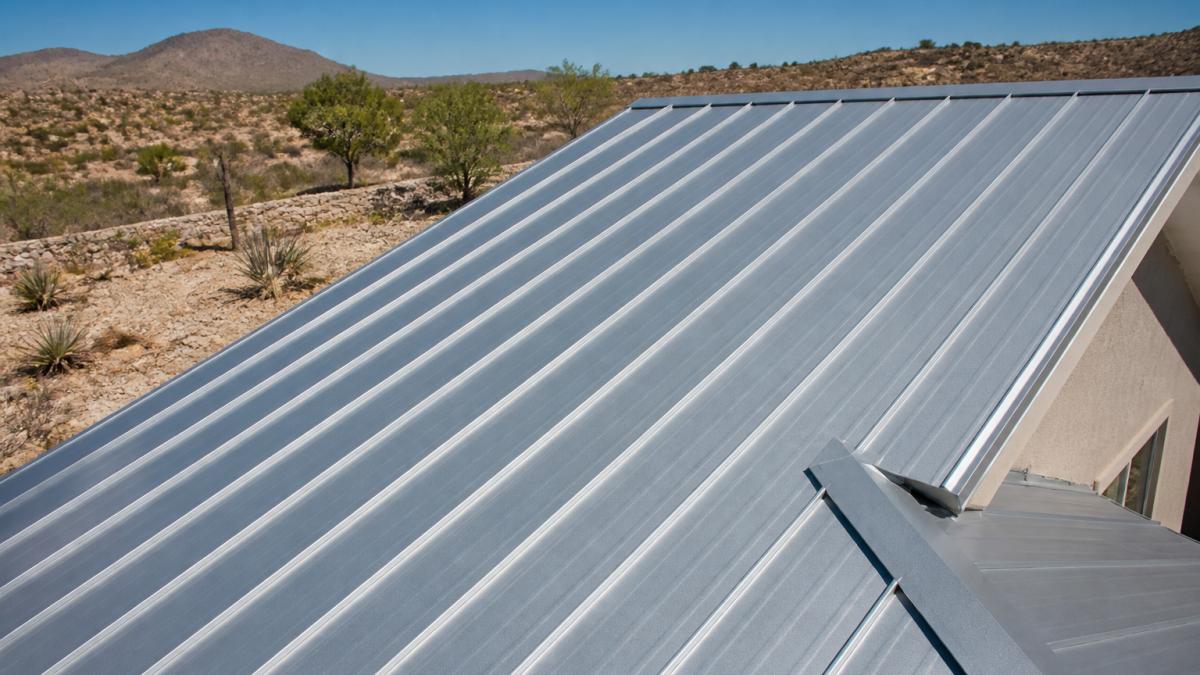
Metal roofing performs exceptionally well against El Paso’s weather challenges. High winds, hail, and dust storms that damage asphalt shingles barely affect metal panels. The material resists corrosion better than older metal systems, though proper installation matters significantly. Expansion and contraction in extreme temperature swings requires expert fastening and sealing.
The aesthetic concern many homeowners raise, that metal looks industrial, has been addressed by modern finishes. Stone-coated steel and painted metal panels can mimic traditional shingle appearances while delivering metal’s durability benefits. Colors that complement desert architecture are readily available.
Standing Seam Metal Roof Cost and Installation
Standing seam systems are the premium metal roofing option, featuring raised seams that run vertically from eave to ridge. Water runs off efficiently, and the design accommodates thermal expansion without leaking. Installation requires specialized training, which is why working with experienced contractors like MAK Roofing & Construction matters.
The installation process involves securing metal panels to the roof deck, then interlocking seams mechanically or using sealant. Proper ventilation beneath the metal is critical in El Paso’s heat to prevent moisture buildup. A poorly installed standing seam roof can trap heat and cause problems, so contractor expertise directly impacts performance.
For pricing and installation details specific to your home, request a detailed estimate from MAK Roofing & Construction. We provide custom assessments that account for your roof’s size, pitch, and local conditions. Financing options are available to spread costs over time.
Tile Roofing in El Paso: Traditional Appeal Meets Modern Performance
Tile roofing represents the traditional choice for the Southwest, with clay and concrete tiles offering 50+ year lifespans. Tile’s thermal mass actually works in El Paso’s favor, it absorbs heat during the day and releases it slowly at night, moderating interior temperature swings. The aesthetic appeal is undeniable; tile complements Spanish Colonial and contemporary desert architecture naturally.
Concrete tiles weigh less than clay but still require structural assessment before installation. Your home’s framing must support the weight, typically 10-15 pounds per square foot. Clay tiles are heavier and more expensive but offer unmatched longevity and color retention. Both materials resist fire, UV damage, and pest infiltration completely.
The trade-off is maintenance and installation complexity. Broken tiles must be replaced individually, and moss or algae can grow in shaded areas. Installation requires skilled labor to ensure proper slope, ventilation, and flashing around penetrations. El Paso’s dry climate minimizes biological growth, making tile maintenance less demanding than in humid regions.
Synthetic Shingles vs Asphalt Shingles: What’s the Real Difference
Synthetic shingles, including composite and rubber products, bridge the gap between asphalt’s affordability and premium materials’ durability. These engineered products use polymers, recycled plastics, or rubber to mimic the appearance of wood shakes, slate, or traditional asphalt while improving performance significantly.
The key difference is material composition. Asphalt shingles are fiberglass or felt mats coated with asphalt and mineral granules. They’re vulnerable to UV degradation, wind uplift, and thermal stress. Synthetic alternatives use more stable base materials that don’t degrade at the same rate. Products like Enviroshake offer composite construction designed specifically to resist desert conditions.
Synthetic shingles typically last 30-40 years versus 15-25 for asphalt, and they handle temperature fluctuations better. Many are rated for higher wind resistance and impact protection. The cost premium over asphalt is moderate, often 20-40% higher, but the extended lifespan reduces replacement frequency.
One advantage often overlooked: synthetic shingles are lighter than tile or slate alternatives, so most existing roof structures don’t need reinforcement. Installation follows similar procedures to asphalt, making contractor availability less of a constraint in El Paso.
Stone-Coated Steel and Composite Roofing Options
Stone-coated steel combines metal’s durability with a finished appearance that resembles traditional shingles. A steel base layer is coated with crushed stone and acrylic, creating a product that looks like asphalt or wood shake but performs like metal. The stone coating provides additional UV protection and sound dampening, reducing noise from rain and hail.
Composite roofing encompasses a broader category: engineered materials that blend polymers, recycled content, and reinforcing fibers. These products are customizable in color and texture, allowing homeowners to achieve specific aesthetic goals while maintaining superior durability. Many composites are designed to resemble slate, cedar shake, or premium asphalt without the maintenance demands.
Both options excel in El Paso’s climate. Stone-coated steel resists wind, impact, and UV exposure effectively. Composite materials handle temperature swings without brittleness. Installation is straightforward for contractors experienced with non-asphalt systems, and both materials integrate with standard roof structures.
Cost varies based on specific product selection and complexity. Stone-coated steel typically costs more than asphalt but less than tile. Composite products range widely depending on appearance and performance specifications. For accurate pricing on materials suitable for your home, MAK Roofing & Construction provides detailed quotes that break down material, labor, and timeline.
Material Comparison Table and Selection Guide
| Material | Lifespan | Heat Reflection | Wind Resistance | Best For | Installation Complexity |
|---|---|---|---|---|---|
| Asphalt Shingles | 15-25 years | Poor | Moderate | Budget-conscious homeowners | Low |
| Metal Roofing | 40-70 years | Excellent | Excellent | Energy efficiency, longevity | High |
| Clay Tile | 50+ years | Moderate | Good | Traditional aesthetics, extreme durability | High |
| Concrete Tile | 40-50 years | Moderate | Good | Durability with lower cost than clay | High |
| Synthetic Shingles | 30-40 years | Good | Good | Appearance + durability balance | Moderate |
| Stone-Coated Steel | 40-50 years | Excellent | Excellent | Aesthetic appeal with metal durability | Moderate |
| Composite | 30-50 years | Good | Good | Custom appearance, moderate cost | Moderate |
How to Choose the Right Roofing Alternative for Your Home
Selecting a roofing alternative requires weighing five factors: climate performance, aesthetic goals, budget, lifespan expectations, and your timeline in the home.
Start with climate. El Paso’s intense sun and extreme temperature swings eliminate some options. Asphalt degrades too quickly here. Materials that reflect heat, metal and stone-coated steel, deliver measurable cooling benefits. Tile and composite offer good performance without the heat-reflection advantage.
Next, consider aesthetics. If your home’s architectural style demands traditional appearance, tile or composite shingles work well. Modern homes often suit metal roofing. Stone-coated steel bridges both preferences, offering traditional looks with contemporary durability.
Budget matters, but think long-term. The cheapest option upfront, asphalt, requires replacement twice as often as alternatives. Metal costs more initially but eliminates replacement cycles over 40+ years. Tile is expensive but lasts generations. Synthetic shingles offer reasonable cost with solid performance.
How long do you plan to stay? If you’re selling within 10 years, a quality asphalt alternative (synthetic or stone-coated steel) provides value without over-investing. Planning to age in place? Metal or tile justify higher upfront costs through durability and reduced maintenance.
The best asphalt shingle alternative for El Paso homeowners balances three priorities: performance in desert heat, alignment with your home’s architecture, and realistic budget over the roof’s full lifespan. Don’t compare only upfront costs, compare total cost of ownership including replacements and energy savings.
Choosing asphalt shingle alternatives requires working with contractors who understand El Paso’s specific climate challenges. MAK Roofing & Construction has spent over 16 years installing metal, tile, synthetic, and composite roofing systems designed for the region’s intense sun and temperature swings. We assess your home’s structure, discuss your aesthetic preferences, and recommend materials that deliver durability and energy efficiency tailored to your situation. Request a video estimate today and discover how the right roofing material can transform your home’s comfort and value.
Frequently Asked Questions
What are the best alternatives to asphalt shingles in El Paso?
Metal roofing, tile roofing, synthetic shingles, and stone-coated steel are the top alternatives to traditional asphalt shingles. Metal roofing offers excellent durability and energy efficiency in hot climates. Tile provides classic appeal and exceptional longevity. Synthetic shingles combine affordability with improved performance. Stone-coated steel mimics the appearance of asphalt while delivering metal’s strength. Your choice depends on budget, aesthetic preferences, and long-term durability goals. MAK Roofing & Construction can evaluate your home and recommend the best option for your specific needs.
How do synthetic shingles compare with traditional asphalt shingles?
Synthetic shingles offer superior durability, typically lasting 30-50 years compared to asphalt’s 15-20 year lifespan. They resist UV damage, impact, and weathering better than asphalt, which is especially valuable in El Paso’s intense sun and occasional hail. Synthetic materials require less maintenance and often come with longer warranties. However, they may cost more upfront. Both materials can be recycled, but synthetics perform better in extreme heat and are less prone to granule loss that accelerates asphalt deterioration.
Is a metal roof a good alternative to asphalt shingles in El Paso?
Yes, metal roofing is an excellent alternative for El Paso homes. It reflects solar heat, reducing cooling costs in the desert climate, and withstands intense sun, dust storms, and occasional hail far better than asphalt. Metal roofs last 40-70 years with minimal maintenance. They’re lightweight, fire-resistant, and often qualify for energy-efficiency tax credits. The main consideration is upfront cost, though long-term savings typically offset the initial investment. Standing seam metal roofs are particularly popular because they provide superior weather protection.
How long do metal, tile, and synthetic roofs last compared to asphalt?
Asphalt shingles typically last 15-20 years in El Paso’s climate. Metal roofing lasts 40-70 years with minimal maintenance. Tile roofing can last 50+ years and often outlasts the house itself. Synthetic shingles last 30-50 years. The longer lifespan of metal and tile means fewer replacements over a home’s lifetime, making them cost-effective despite higher initial installation costs. El Paso’s intense heat and UV exposure actually shortens asphalt’s life, making alternatives more economical long-term.